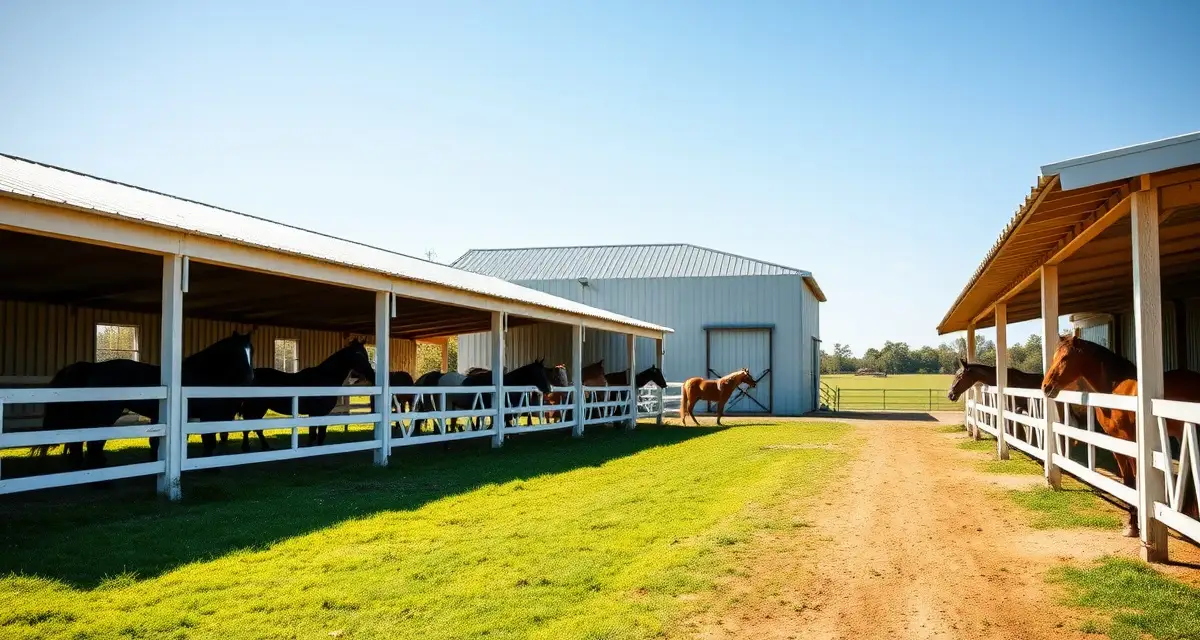
Running a Horse Boarding Business in Alabama: Guide for Barn Owners
Horse boarding is a $4B+ industry across the United States, and Alabama represents a meaningful slice of that market. With strong rural land availability, an active trail riding culture, and growing demand for quality equine care, the state is a viable place to build a profitable horse boarding business in Alabama.
TL;DR
- Horse boarding in Alabama carries startup costs of $150,000 to $400,000+ for a 10-stall operation before a single horse arrives
- Full care boarding rates vary by region; pricing must cover feed, bedding, labor, insurance, and maintenance with margin for vacancies
- Break-even planning should assume 70% occupancy or less; most barns take four to five months to reach stable occupancy
- Labor is the most consistently underestimated operating expense, often running 40% higher than initial projections
- A 90-day cash reserve is a practical minimum for any new boarding operation
- Digital barn management software reduces administrative labor by hours per week and improves billing accuracy from day one
This guide covers what you actually need to get started and stay compliant: licensing, pricing, insurance, contracts, and the tools that keep operations running without constant manual work.
The Real Challenges Alabama Barn Owners Face
Running a boarding operation is not just about caring for horses. It is about managing billing cycles, tracking feed and medication schedules, communicating with owners, and staying on top of liability exposure. Most barn managers handle this with spreadsheets and text messages, which works until it does not.
Alabama's climate also adds operational pressure. Hot, humid summers increase the risk of heat stress and respiratory issues, which means your care protocols and documentation need to be tighter than in cooler states.
Licensing and Legal Requirements in Alabama
Alabama does not require a specific state-issued license to operate a horse boarding facility, but that does not mean you can skip the paperwork. Here is what you need to address:
- Business registration: Register your business with the Alabama Secretary of State. An LLC structure is common for liability protection.
- County zoning approval: Agricultural zoning rules vary by county. Confirm your property is zoned for commercial equine activity before signing anything.
- Sales tax: If you sell feed, supplements, or tack as part of your operation, you may need to collect Alabama sales tax.
- Water and waste compliance: Facilities with significant runoff may fall under Alabama Department of Environmental Management (ADEM) guidelines.
Consult an Alabama-based agricultural attorney before opening. The cost is worth it.
How to Price Boarding Services in Alabama
Boarding rates in Alabama typically range from $250 to $600 per month for full care, depending on location, amenities, and included services. Pasture board runs lower, often $150 to $300 per month. Urban-adjacent facilities near Birmingham, Huntsville, or Montgomery can push toward the higher end.
When setting your rates, account for:
- Feed and bedding costs, which have increased significantly since 2021
- Labor, including weekend and holiday coverage
- Facility maintenance, including fencing, stall repairs, and water systems
- Insurance premiums, which vary based on herd size and property value
Do not underprice to fill stalls. A barn running at 80% capacity with correct pricing is more sustainable than one at 100% capacity losing money per horse.
Insurance and Contracts
General liability insurance is non-negotiable. Look for a policy that covers horse-related injuries to third parties, property damage, and care, custody, and control (CCC) coverage for boarded horses. Expect to pay $1,500 to $4,000 annually depending on your operation size.
Your boarding contract should include a liability waiver, a clear payment plans, a policy on delinquent accounts, and your right to place a lien on a horse for unpaid board. Alabama recognizes agister's liens, which gives barn owners legal standing to retain a horse until fees are paid.
For a deeper look at contract structure and business setup, see our horse boarding business guide.
Managing Your Alabama Boarding Operation Day to Day
Manual systems break down fast. When you have 20 or more horses on property, tracking feeding schedules, vet visits, farrier appointments, and monthly invoices by hand creates errors and owner complaints.
Barn management software like BarnBeacon is built specifically for equine boarding operations. It handles automated billing, owner communication, health record tracking, and daily task management from one platform. Alabama barn owners use it to reduce administrative time and keep clients informed without constant back-and-forth.
A well-run equine boarding operation in AL depends on systems as much as horsemanship.
How many horses do I need to board to be profitable in Alabama?
Break-even depends on your fixed costs and board rate. A rough rule is that you need occupancy at or above 70% of capacity to cover overhead. In Alabama, full care board rates range widely by region; model your break-even before setting your rate rather than pricing against local competition and hoping the math works.
What insurance does a boarding barn need in Alabama?
Most boarding operations in Alabama need commercial general liability insurance, care custody and control coverage for boarded horses, and property insurance for structures and equipment. Equine-specific insurance brokers are familiar with Alabama requirements and can structure coverage that matches the actual risks of a boarding operation.
FAQ
What is Running a Horse Boarding Business in Alabama: Guide for Barn Owners?
Running a horse boarding business in Alabama means providing stabling, feed, turnout, and care services to horse owners who lack their own facilities. Alabama's rural land availability and active trail riding culture make it an attractive market. Barn owners typically offer full care, partial care, or pasture boarding tiers, and manage daily operations including feeding schedules, stall cleaning, veterinary coordination, and facility maintenance across a property that may house 10 to 30 or more horses.
How much does Running a Horse Boarding Business in Alabama: Guide for Barn Owners cost?
Startup costs for a 10-stall boarding operation in Alabama range from $150,000 to $400,000 or more before the first horse arrives. Monthly operating costs include feed, bedding, labor, insurance, and maintenance. Full care boarding rates vary by region and amenities but must cover all expenses with margin built in for vacancies. Labor consistently runs 40% higher than initial projections, making it the most commonly underestimated line item in early budgets.
How does Running a Horse Boarding Business in Alabama: Guide for Barn Owners work?
A horse boarding operation works by charging horse owners a monthly fee in exchange for housing, feeding, and caring for their horses. Barn owners set pricing tiers based on service level, manage boarder contracts, handle billing, coordinate farrier and vet visits, and maintain facilities daily. Modern barn management software automates invoicing and scheduling, reducing administrative hours. Revenue depends on occupancy rates, with most new barns taking four to five months to reach stable fill levels.
What are the benefits of Running a Horse Boarding Business in Alabama: Guide for Barn Owners?
Benefits of running a horse boarding business in Alabama include access to affordable rural land, a built-in community of horse owners seeking quality care, and recurring monthly revenue from boarders. The state's trail riding culture drives consistent demand. For owners who already keep horses, boarding additional animals offsets personal facility costs. With proper pricing, contracts, and occupancy management, a well-run barn can generate predictable income while supporting a lifestyle aligned with equine agriculture.
Who needs Running a Horse Boarding Business in Alabama: Guide for Barn Owners?
This guide is for aspiring and current barn owners in Alabama who want to start or professionalize a horse boarding operation. It applies to landowners converting acreage into a boarding facility, hobby horse owners looking to generate revenue from existing infrastructure, and experienced equestrians ready to build a structured business. It is also relevant for anyone currently running a barn informally who needs help with contracts, insurance, licensing, pricing strategy, and management tools.
How long does Running a Horse Boarding Business in Alabama: Guide for Barn Owners take?
Getting a horse boarding business operational in Alabama typically takes six to twelve months from planning to first boarders. Site preparation, facility construction or renovation, zoning approvals, insurance setup, and contract drafting each require lead time. Reaching break-even occupancy adds another four to five months after opening. Barn owners should plan for a full first year before expecting consistent profitability and maintain a minimum 90-day cash reserve to cover operating costs during the ramp-up period.
What should I look for when choosing Running a Horse Boarding Business in Alabama: Guide for Barn Owners?
When building a horse boarding operation in Alabama, prioritize solid boarder contracts that define care responsibilities, liability, and payment terms. Verify zoning and local regulations before construction. Choose insurance that covers equine liability, property, and workers if applicable. Invest in barn management software from day one to reduce billing errors and save administrative time. Evaluate your pricing against local market rates while ensuring it covers all costs at 70% occupancy or lower, not just at full capacity.
Is Running a Horse Boarding Business in Alabama: Guide for Barn Owners worth it?
For the right person, running a horse boarding business in Alabama is worth pursuing. The state offers favorable land costs, an engaged equestrian community, and a $4B+ national industry to tap into. However, success requires realistic startup budgets, disciplined pricing, strong contracts, and consistent labor management. Barns that fail typically underestimate costs or overprice against local demand. With proper planning, legal structure, and management tools in place, a well-run Alabama boarding operation can be both financially viable and personally rewarding.
Sources
- American Association of Equine Practitioners (AAEP)
- American Competitive Trail Horse Association (ACTHA)
- American Horse Council
- Kentucky Equine Research
- UC Davis Center for Equine Health
Get Started with BarnBeacon
Running a profitable boarding barn in Alabama requires more than good horsemanship. The administrative side, billing, client communication, health records, and staff coordination, determines whether your margins hold as you scale. BarnBeacon gives Alabama barn owners the operational infrastructure to run the business side as professionally as the care side. Start a free trial with your first month's data and see where the gaps are.