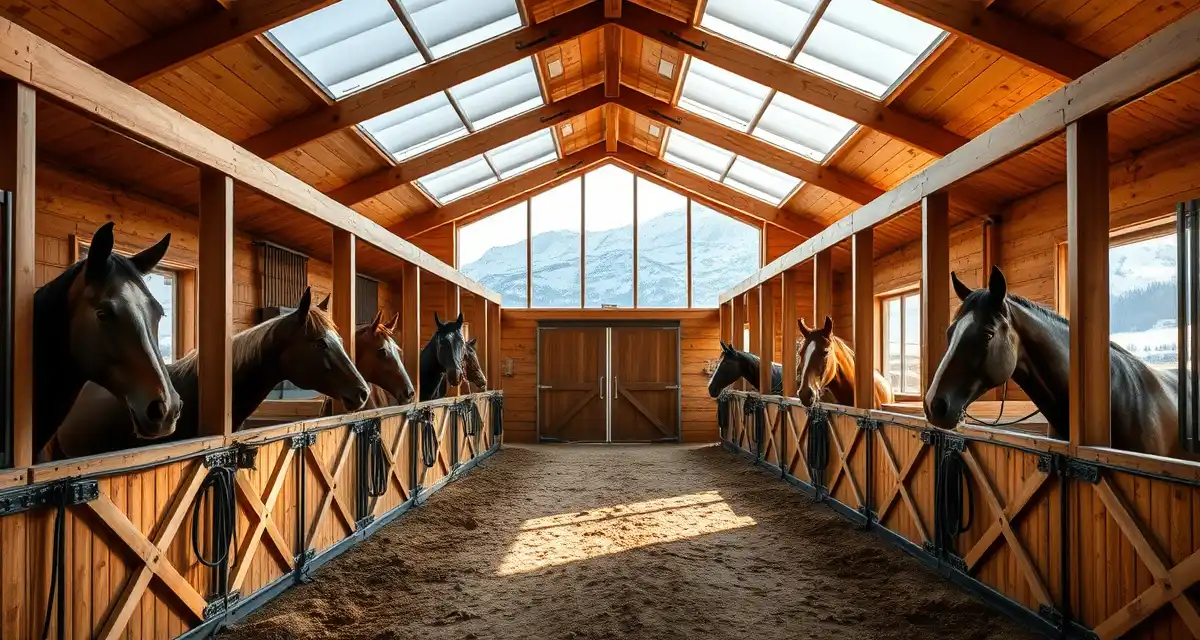
Running a Horse Boarding Business in Alaska: Guide for Barn Owners
Horse boarding is a $4B+ industry in the United States, and Alaska represents a more active equine market than most people expect. From the Matanuska-Susitna Valley to the Kenai Peninsula, working barns are in consistent demand, and owners who get the business side right can build something genuinely profitable.
TL;DR
- Horse boarding in Alaska carries startup costs of $150,000 to $400,000+ for a 10-stall operation before a single horse arrives
- Full care boarding rates vary by region; pricing must cover feed, bedding, labor, insurance, and maintenance with margin for vacancies
- Break-even planning should assume 70% occupancy or less; most barns take four to five months to reach stable occupancy
- Labor is the most consistently underestimated operating expense, often running 40% higher than initial projections
- A 90-day cash reserve is a practical minimum for any new boarding operation
- Digital barn management software reduces administrative labor by hours per week and improves billing accuracy from day one
This guide covers what Alaska barn owners specifically need to know: licensing, pricing, insurance, contracts, and the tools that keep operations running through long winters and remote conditions.
The Real Challenges of Running a Horse Boarding Business in Alaska
Operating a horse boarding business in Alaska is not the same as running one in Texas or Kentucky. Feed costs are higher due to shipping. Heating a barn through an Interior Alaska winter adds significantly to overhead. Finding qualified farriers and vets in rural areas requires planning months in advance.
These factors affect your pricing model, your contracts, and how you communicate with horse owners. Ignoring them leads to underpriced board rates and cash flow problems by February.
Licensing and Legal Requirements for Alaska Boarding Barns
Business Registration
You must register your business with the Alaska Division of Corporations, Business, and Professional Licensing. Most boarding operations run as an LLC to separate personal liability from business liability. Filing fees are modest, but the protection is significant.
Zoning and Land Use
Check with your borough or municipality before advertising boarding services. Agricultural zoning rules vary across Alaska, and some areas near Anchorage or Fairbanks have specific restrictions on commercial equine operations. The Matanuska-Susitna Borough, for example, has distinct land use codes from the City of Wasilla.
No State-Specific Equine License Required
Alaska does not require a dedicated equine facility license at the state level. However, you should carry a general business license, maintain proper liability insurance, and use written boarding contracts that include an equine activity liability disclaimer under Alaska Statute 09.65.290.
How to Price Horse Boarding in Alaska
Pricing in Alaska must account for costs that mainland operations do not face at the same scale. Hay shipped from the Lower 48 or sourced locally in the Mat-Su Valley carries a premium. Heating costs for a 10-stall barn can run $800 to $2,000+ per month in winter depending on fuel type and insulation.
A realistic pricing baseline for full-care boarding in Alaska ranges from $600 to $1,200 per month depending on location, amenities, and included services. Pasture board runs lower, typically $300 to $600 per month, but still reflects Alaska's higher input costs.
Build your rates from your actual cost per stall, not from what neighboring barns charge. If your costs are higher, your rates need to reflect that. Underpricing to stay competitive is a fast path to burning out or closing.
Contracts and Insurance Every Alaska Barn Owner Needs
A written boarding agreement is non-negotiable. It should specify board rates, payment due dates, late fees, care standards, liability limitations, and termination terms. Include an equine activity liability waiver aligned with Alaska's equine liability statute.
For insurance, you need at minimum a commercial general liability policy that covers equine operations. Some carriers exclude horses by default, so confirm coverage explicitly. Care, custody, and control coverage protects you if a boarded horse is injured while in your care.
Managing Your Barn Operation Efficiently
Manual billing, paper records, and text-message-based owner communication work until they don't. When you have 15 or 20 horses in your barn, the administrative load becomes a real time cost.
Barn management software built for equine operations handles invoicing, payment tracking, feeding and medication logs, and owner messaging in one place. BarnBeacon is designed specifically for boarding barn operations, supporting everything from automated billing to daily care communication, which matters when you're managing a barn in a remote Alaska location without extra office staff.
For a deeper look at building a boarding business from the ground up, the horse boarding business guide covers financials, marketing, and operations in detail.
How many horses do I need to board to be profitable in Alaska?
Break-even depends on your fixed costs and board rate. A rough rule is that you need occupancy at or above 70% of capacity to cover overhead. In Alaska, full care board rates range widely by region; model your break-even before setting your rate rather than pricing against local competition and hoping the math works.
What insurance does a boarding barn need in Alaska?
Most boarding operations in Alaska need commercial general liability insurance, care custody and control coverage for boarded horses, and property insurance for structures and equipment. Equine-specific insurance brokers are familiar with Alaska requirements and can structure coverage that matches the actual risks of a boarding operation.
FAQ
What is Running a Horse Boarding Business in Alaska: Guide for Barn Owners?
Running a horse boarding business in Alaska is a comprehensive operational guide covering everything barn owners need to launch and sustain a profitable equine facility in the state. It addresses Alaska-specific challenges like extreme winters, remote locations, and regional pricing, alongside universal topics such as licensing, contracts, insurance, and barn management software. The guide is designed for both prospective barn owners evaluating startup feasibility and existing operators looking to improve profitability and reduce administrative burden.
How much does Running a Horse Boarding Business in Alaska: Guide for Barn Owners cost?
Startup costs for a 10-stall horse boarding operation in Alaska typically range from $150,000 to $400,000 or more before the first horse arrives. Ongoing operating costs include feed, bedding, labor, insurance, and facility maintenance. Full care boarding rates must be priced to cover these expenses plus a vacancy buffer. Labor alone often runs 40% higher than initial projections, making accurate financial modeling critical before launch.
How does Running a Horse Boarding Business in Alaska: Guide for Barn Owners work?
A horse boarding business in Alaska works by providing stall space, feed, bedding, and daily care for client-owned horses in exchange for monthly boarding fees. Owners manage facility operations, staff, contracts, and client relationships. Successful barns use tiered service models — from pasture board to full care — to serve different client budgets. Digital barn management software streamlines billing, scheduling, and recordkeeping, which is especially valuable during Alaska's demanding winter months.
What are the benefits of Running a Horse Boarding Business in Alaska: Guide for Barn Owners?
The primary benefits include building a recurring revenue business in a consistently underserved market. Alaska has active equine communities in the Mat-Su Valley and Kenai Peninsula with real demand for quality boarding. Done right, a boarding barn generates predictable monthly income, appreciates land value, and can expand into training or breeding services. Proper systems and software reduce administrative overhead, allowing owners to focus on animal care and client retention.
Who needs Running a Horse Boarding Business in Alaska: Guide for Barn Owners?
This guide is for anyone considering opening or currently operating a horse boarding facility in Alaska — from first-time barn owners evaluating startup costs to experienced equestrians transitioning into a business model. It is also relevant for rural landowners assessing whether their property and region can support a viable boarding operation, and for existing barn owners who need better pricing strategies, contracts, or management tools to improve profitability.
How long does Running a Horse Boarding Business in Alaska: Guide for Barn Owners take?
Most new Alaska boarding barns take four to five months to reach stable occupancy after opening. A realistic break-even timeline should assume 70% occupancy or less during the initial period. Building a full client roster can take six to twelve months depending on location, marketing, and local competition. Operators should maintain a minimum 90-day cash reserve to cover operating expenses during the ramp-up phase before revenue becomes consistent.
What should I look for when choosing Running a Horse Boarding Business in Alaska: Guide for Barn Owners?
When evaluating how to run a horse boarding business in Alaska, prioritize financial planning, location, and legal structure. Look for a business model with clear occupancy break-even assumptions, a properly drafted boarding contract, and appropriate liability insurance. Ensure your facility meets Alaska licensing requirements. Choose barn management software that handles billing and recordkeeping efficiently. Factor in Alaska-specific costs like heated water systems, winterized stabling, and higher labor rates before committing to a pricing structure.
Is Running a Horse Boarding Business in Alaska: Guide for Barn Owners worth it?
For the right person with suitable land and a passion for horses, running a boarding business in Alaska can be genuinely worthwhile. The market is underserved in several regions, monthly recurring revenue is predictable, and demand is consistent. However, it requires significant upfront capital, disciplined cost management, and operational resilience through harsh winters. Owners who invest in proper contracts, pricing models, and management software from the start are far more likely to reach sustainable profitability.
Sources
- American Association of Equine Practitioners (AAEP)
- American Horse Council
- Kentucky Equine Research
- UC Davis Center for Equine Health
- American Horse Council Economic Impact Study
Get Started with BarnBeacon
Running a profitable boarding barn in Alaska requires more than good horsemanship. The administrative side, billing, client communication, health records, and staff coordination, determines whether your margins hold as you scale. BarnBeacon gives Alaska barn owners the operational infrastructure to run the business side as professionally as the care side. Start a free trial with your first month's data and see where the gaps are.