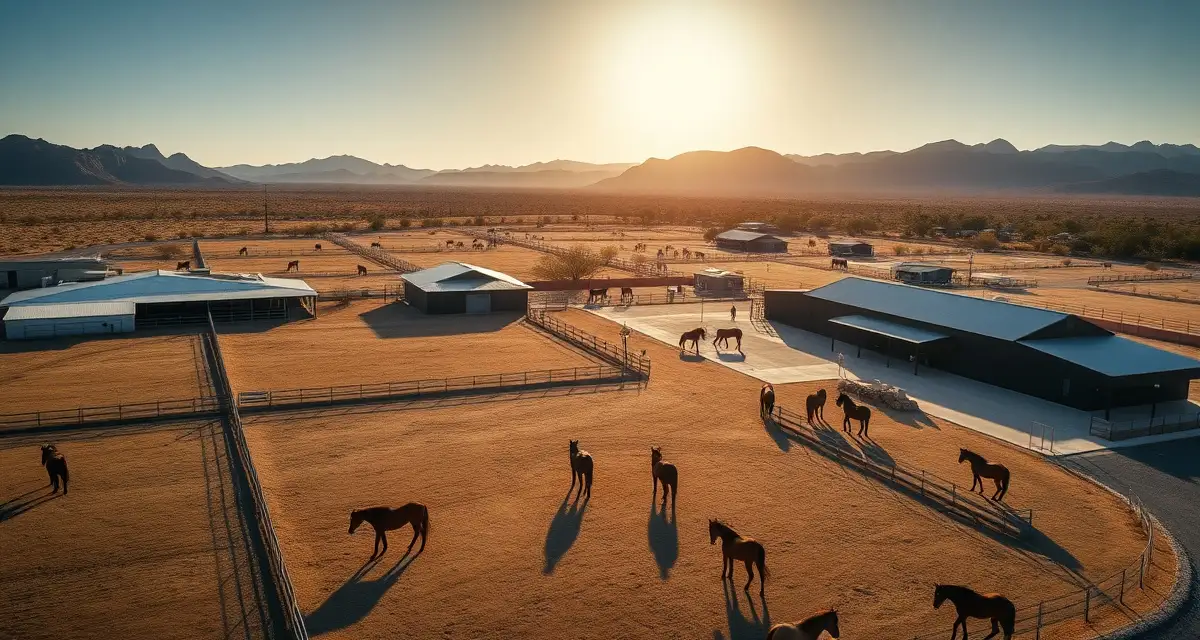
Running a Horse Boarding Business in Arizona: Guide for Barn Owners
Horse boarding is a $4B+ industry in the United States, and Arizona ranks among the top states for equine activity, with a strong concentration of boarding operations in the Phoenix metro, Tucson, and Scottsdale areas. If you're running or starting a horse boarding business in Arizona, the combination of year-round riding weather and growing demand creates real opportunity.
TL;DR
- Horse boarding in Arizona carries startup costs of $150,000 to $400,000+ for a 10-stall operation before a single horse arrives
- Full care boarding rates vary by region; pricing must cover feed, bedding, labor, insurance, and maintenance with margin for vacancies
- Break-even planning should assume 70% occupancy or less; most barns take four to five months to reach stable occupancy
- Labor is the most consistently underestimated operating expense, often running 40% higher than initial projections
- A 90-day cash reserve is a practical minimum for any new boarding operation
- Digital barn management software reduces administrative labor by hours per week and improves billing accuracy from day one
But opportunity doesn't run itself. Pricing, licensing, contracts, and daily operations all need to be dialed in before you can turn a profit.
The Arizona Boarding Market: What You're Working With
Arizona's climate is a double-edged sword. Mild winters drive demand from snowbirds and competitive riders, but brutal summers require investment in shade structures, fans, and water systems that cut into margins.
The state has a well-established equestrian culture, particularly in Maricopa and Pima counties. Full-care boarding rates in the Phoenix area typically run $400 to $900 per month depending on facility quality, stall type, and included services. Pasture board in rural areas can go as low as $150 to $250 per month.
Understanding your local competitive set is the first step to setting rates that attract clients without leaving money on the table.
Licensing and Legal Requirements in Arizona
What You Actually Need
Arizona does not require a specific state-issued license to operate a horse boarding facility, but that doesn't mean you can skip the paperwork. You'll need:
- A business license from your city or county
- An agricultural exemption or zoning approval if operating on rural land
- Compliance with Maricopa County or Pima County animal facility regulations if applicable
- A federal EIN if you're operating as an LLC or corporation
Liability Protection
Arizona's Equine Liability Act (A.R.S. § 12-553) provides some protection to equine professionals, but it requires you to post specific warning notices on your property and include liability language in your boarding contracts. Without this, you lose the statutory protection.
Carry general liability insurance with a minimum of $1M per occurrence. Most lenders and property owners will require it, and it's non-negotiable for protecting your operation.
Pricing Your Boarding Services
Build Your Rate Around Your Costs
Start with your fixed monthly costs: mortgage or lease, feed, bedding, labor, utilities, and insurance. Divide by your stall count, then add a margin of at least 20 to 30 percent. Many barn owners underprice because they don't account for their own labor.
A common structure for Arizona boarding operations:
| Service Level | Typical Monthly Rate |
|---|---|
| Pasture board | $150 - $300 |
| Partial care | $300 - $500 |
| Full care (stall) | $500 - $900 |
| Full care + training | $900 - $1,500+ |
Add-On Revenue
Blanketing, extra feedings, medication administration, and trailer parking are all billable. These add-ons can increase per-horse revenue by 15 to 25 percent without adding a stall.
Managing Day-to-Day Operations
Running an equine boarding operation in AZ means tracking feeding schedules, turnout rotations, vet and farrier visits, and billing across dozens of horses and owners. Doing this on paper or in spreadsheets creates errors and eats hours.
Barn management software built specifically for boarding operations handles billing automation, digital contracts, owner communication, and health record tracking in one place. BarnBeacon is designed to support Arizona boarding barn operations from the first invoice to daily owner updates, reducing administrative time so you can focus on the horses.
For a broader look at how to structure your entire operation, the horse boarding business guide covers everything from intake forms to exit policies.
How many horses do I need to board to be profitable in Arizona?
Break-even depends on your fixed costs and board rate. A rough rule is that you need occupancy at or above 70% of capacity to cover overhead. In Arizona, full care board rates range widely by region; model your break-even before setting your rate rather than pricing against local competition and hoping the math works.
What insurance does a boarding barn need in Arizona?
Most boarding operations in Arizona need commercial general liability insurance, care custody and control coverage for boarded horses, and property insurance for structures and equipment. Equine-specific insurance brokers are familiar with Arizona requirements and can structure coverage that matches the actual risks of a boarding operation.
FAQ
What is Running a Horse Boarding Business in Arizona: Guide for Barn Owners?
This guide covers everything Arizona barn owners need to know about running a profitable horse boarding business — from startup costs and pricing strategy to licensing, contracts, and daily operations. It addresses the unique advantages of Arizona's year-round riding climate while being honest about the financial realities: high labor costs, slow occupancy ramp-up, and the importance of cash reserves. Whether you're launching a new facility or optimizing an existing one, it provides a practical framework grounded in real industry numbers.
How much does Running a Horse Boarding Business in Arizona: Guide for Barn Owners cost?
Starting a 10-stall horse boarding operation in Arizona typically costs $150,000 to $400,000 or more before your first horse arrives. Ongoing monthly costs include feed, bedding, labor, insurance, and facility maintenance. Full care boarding rates vary by region — Phoenix, Scottsdale, and Tucson each have distinct market expectations. Labor alone often runs 40% higher than initial projections, making it the most consistently underestimated expense. A 90-day cash reserve is the recommended minimum buffer for any new operation.
How does Running a Horse Boarding Business in Arizona: Guide for Barn Owners work?
Running a horse boarding business in Arizona means managing daily horse care — feeding, stall cleaning, turnout, and health monitoring — alongside business operations like billing, contracts, and compliance. Most successful barns use digital management software to reduce admin time and improve billing accuracy. Occupancy builds gradually, so cash flow planning is critical. Break-even models should assume 70% occupancy or less, and most barns need four to five months to reach stable, recurring revenue.
What are the benefits of Running a Horse Boarding Business in Arizona: Guide for Barn Owners?
Arizona offers genuine advantages for horse boarding businesses: year-round riding weather eliminates seasonal revenue dips common in northern states, and strong equine communities in Phoenix, Scottsdale, and Tucson generate consistent demand. The $4B+ U.S. boarding industry has a healthy Arizona footprint. Barn owners who price correctly, manage labor efficiently, and invest in streamlined operations from day one can build a stable, recurring revenue business with real long-term upside.
Who needs Running a Horse Boarding Business in Arizona: Guide for Barn Owners?
This guide is for anyone planning to open or currently operating a horse boarding facility in Arizona. That includes first-time barn owners evaluating startup costs, experienced equestrians transitioning into the business side of horses, and existing operators looking to improve margins or fix cash flow problems. It's especially relevant for those in the Phoenix metro, Scottsdale, and Tucson markets where boarding density and competition are highest.
How long does Running a Horse Boarding Business in Arizona: Guide for Barn Owners take?
Reaching stable occupancy in a new Arizona boarding operation typically takes four to five months. Getting fully operational — permits, infrastructure, staffing, and initial client acquisition — adds time before that clock starts. Realistically, most new barn owners should plan for a six-to-twelve month runway before the business reliably covers its costs. Financial planning should account for this timeline with adequate cash reserves rather than assuming rapid fill rates.
What should I look for when choosing Running a Horse Boarding Business in Arizona: Guide for Barn Owners?
When evaluating how to structure or grow a horse boarding business in Arizona, prioritize sound break-even modeling at realistic occupancy rates, proper legal contracts with boarding clients, and a clear understanding of your true labor costs. Look for barn management software that handles billing and scheduling. Ensure your insurance covers equine liability. Understand local zoning and licensing requirements early. Pricing should reflect your full cost structure — not just what competitors charge.
Is Running a Horse Boarding Business in Arizona: Guide for Barn Owners worth it?
For the right person, yes — Arizona's climate and active equine community make horse boarding a viable business with consistent demand. But it requires serious capital, disciplined cost management, and realistic expectations about how long profitability takes to achieve. Undercapitalized barns or those that underestimate labor costs are the most common failure points. Owners who plan carefully, price correctly, and use modern tools to reduce administrative overhead have a strong foundation for a sustainable operation.
Sources
- American Association of Equine Practitioners (AAEP)
- American Competitive Trail Horse Association (ACTHA)
- American Horse Council
- Kentucky Equine Research
- UC Davis Center for Equine Health
Get Started with BarnBeacon
Running a profitable boarding barn in Arizona requires more than good horsemanship. The administrative side, billing, client communication, health records, and staff coordination, determines whether your margins hold as you scale. BarnBeacon gives Arizona barn owners the operational infrastructure to run the business side as professionally as the care side. Start a free trial with your first month's data and see where the gaps are.