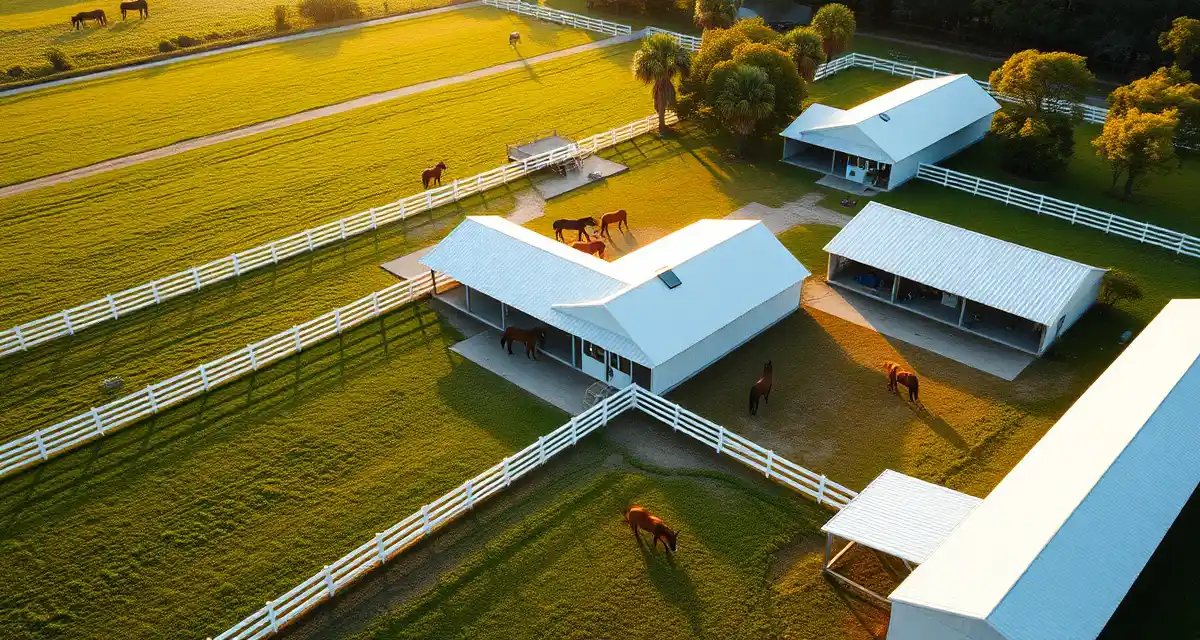
Running a Horse Boarding Business in Florida: Guide for Barn Owners
Horse boarding is a $4B+ industry across the US, and Florida sits near the top of that market. With year-round riding weather, a dense equestrian community from Ocala to Wellington, and a steady influx of seasonal horse owners, the state offers real opportunity for barn owners who run a tight operation.
TL;DR
- Horse boarding in Florida carries startup costs of $150,000 to $400,000+ for a 10-stall operation before a single horse arrives
- Full care boarding rates vary by region; pricing must cover feed, bedding, labor, insurance, and maintenance with margin for vacancies
- Break-even planning should assume 70% occupancy or less; most barns take four to five months to reach stable occupancy
- Labor is the most consistently underestimated operating expense, often running 40% higher than initial projections
- A 90-day cash reserve is a practical minimum for any new boarding operation
- Digital barn management software reduces administrative labor by hours per week and improves billing accuracy from day one
This guide covers what you need to know to run a compliant, profitable horse boarding business in Florida.
Florida Has Specific Conditions That Affect Your Operation
The climate is the first thing to plan around. Heat, humidity, and hurricane season all affect your infrastructure costs, your turnout schedules, and your insurance premiums. Barns in South Florida face different risks than those in Marion County, and your pricing and contracts should reflect that.
Florida also has a concentrated equestrian market. Ocala alone is home to over 1,200 horse farms. Competition is real, but so is demand.
Licensing and Legal Requirements in Florida
Florida does not require a specific "horse boarding license," but you are not operating in a regulatory vacuum. Here is what applies:
- Business registration: You must register your business with the Florida Division of Corporations. An LLC structure is common for liability protection.
- Agricultural classification: If your property qualifies, apply for agricultural land classification through your county property appraiser. This can significantly reduce your property tax burden.
- Zoning compliance: Confirm your parcel is zoned for equine use. Requirements vary by county.
- Equine activity liability: Florida Statute 773 provides some liability protection for equine activity sponsors, but only if you post the required warning signs and include proper language in your boarding contracts.
Get a local agricultural attorney to review your contracts before you take on your first boarder.
How to Price Horse Boarding in Florida
Rates vary significantly by region and service level. Full-care boarding in Wellington or Ocala's show circuits can run $1,500 to $3,000+ per month. Pasture board in rural Central Florida typically falls between $300 and $600 per month.
When setting your rates, account for:
- Feed and bedding costs, which have risen sharply since 2021
- Labor, including night checks and blanketing during cold snaps
- Farrier and vet coordination time if you offer it
- Facility overhead: mortgage or lease, utilities, equipment maintenance
Underpricing is the most common mistake new barn owners make. Build your cost model first, then set your rate. See our horse boarding business guide for a full pricing worksheet.
Insurance for Florida Boarding Barns
Standard farm insurance is not enough. You need:
- Care, custody, and control coverage for horses in your care
- General liability for boarders and visitors on your property
- Property coverage that accounts for hurricane and flood risk
- Workers' compensation if you have employees
Florida's hurricane exposure makes some insurers hesitant. Work with a broker who specializes in equine or agricultural coverage.
Managing Your Boarding Operation Day to Day
Manual billing, paper contracts, and text message communication do not scale. When you have 20+ horses on property, tracking feeding schedules, vet visits, payments, and owner communication becomes a full-time job on its own.
Barn management software like BarnBeacon handles billing, owner communication, and daily logs in one place. Florida barn owners use it to send automated invoices, track which horses are current on vaccines, and message owners directly through the platform. It removes the administrative drag that eats into time you should be spending on the horses.
How many horses do I need to board to be profitable in Florida?
Break-even depends on your fixed costs and board rate. A rough rule is that you need occupancy at or above 70% of capacity to cover overhead. In Florida, full care board rates range widely by region; model your break-even before setting your rate rather than pricing against local competition and hoping the math works.
What insurance does a boarding barn need in Florida?
Most boarding operations in Florida need commercial general liability insurance, care custody and control coverage for boarded horses, and property insurance for structures and equipment. Equine-specific insurance brokers are familiar with Florida requirements and can structure coverage that matches the actual risks of a boarding operation.
FAQ
What is Running a Horse Boarding Business in Florida: Guide for Barn Owners?
Running a horse boarding business in Florida means providing stabling, feed, and care services to horse owners across one of the country's most active equestrian markets. Florida's year-round riding climate, dense horse population from Ocala to Wellington, and seasonal boarder influx make it a strong environment for barn owners. The business involves managing stalls, staff, client relationships, and compliance with state regulations while maintaining facilities suited to Florida's unique heat and humidity conditions.
How much does Running a Horse Boarding Business in Florida: Guide for Barn Owners cost?
Startup costs for a 10-stall Florida boarding operation typically run $150,000 to $400,000 before the first horse arrives, covering land, structures, fencing, water systems, and equipment. Ongoing monthly expenses include feed, bedding, labor, insurance, and maintenance. Full care boarding rates vary by region but must cover all operating costs plus a vacancy buffer. Most new barns need a 90-day cash reserve as a financial safety net during the ramp-up period.
How does Running a Horse Boarding Business in Florida: Guide for Barn Owners work?
A Florida boarding barn operates by leasing stall space and providing daily horse care, which typically includes feeding, stall cleaning, turnout, and health monitoring. Barn owners set pricing tiers based on care level, collect monthly board fees, manage staff schedules, and maintain facilities. Digital barn management software streamlines billing, communication, and record-keeping. Occupancy planning should target 70% or less for break-even modeling, since vacancies and seasonal turnover are normal parts of the business cycle.
What are the benefits of Running a Horse Boarding Business in Florida: Guide for Barn Owners?
Florida offers strong advantages for boarding businesses: year-round riding weather eliminates the seasonal revenue drops common in northern states, the dense equestrian community provides a built-in client base, and proximity to major show venues like Wellington attracts high-value boarders. Demand is consistent and growing. Barn owners who operate efficiently, price correctly, and maintain quality facilities can build a stable recurring revenue stream in a market with real depth and repeat clientele.
Who needs Running a Horse Boarding Business in Florida: Guide for Barn Owners?
Florida's boarding business model suits experienced horse people ready to transition from hobbyist to operator, as well as investors with agricultural land looking to generate income from equestrian infrastructure. It's also relevant to existing barn owners expanding capacity or formalizing informal arrangements. Anyone considering this path should have a clear grasp of labor costs, which routinely run 40% higher than initial estimates, along with insurance requirements, zoning compliance, and the physical demands of daily equine care.
How long does Running a Horse Boarding Business in Florida: Guide for Barn Owners take?
Reaching stable occupancy in a new Florida boarding barn typically takes four to five months from opening. Before that, expect a ramp-up period where revenue is inconsistent and expenses are fixed. Licensing, facility setup, and initial marketing all require lead time before the first boarder arrives. Once established, day-to-day operations are ongoing and continuous, with no off-season in Florida. Planning timelines should account for permitting delays and the time needed to build client trust and word-of-mouth referrals.
What should I look for when choosing Running a Horse Boarding Business in Florida: Guide for Barn Owners?
When evaluating how to structure or improve a Florida boarding operation, prioritize financial planning built around realistic occupancy rates, not best-case scenarios. Look for barn management software that handles billing and scheduling from day one. Assess your labor model carefully since staffing is the most underestimated cost. Ensure your insurance covers equine liability specific to Florida. Review your facility for climate resilience, including ventilation, drainage, and hurricane preparedness, all of which directly affect horse welfare and client retention.
Is Running a Horse Boarding Business in Florida: Guide for Barn Owners worth it?
For the right operator, yes. Florida's equestrian market is large, demand is year-round, and a well-run boarding barn generates reliable monthly income. The margins require discipline: feed, labor, insurance, and maintenance leave little room for pricing errors or extended vacancies. Barns that invest in proper systems, realistic financial planning, and strong client relationships tend to stabilize within the first year. Those who underestimate operating costs or skip cash reserves often struggle. Success depends on treating it as a business, not a lifestyle.
Sources
- American Association of Equine Practitioners (AAEP)
- American Horse Council
- Kentucky Equine Research
- UC Davis Center for Equine Health
- American Horse Council Economic Impact Study
Get Started with BarnBeacon
Running a profitable boarding barn in Florida requires more than good horsemanship. The administrative side, billing, client communication, health records, and staff coordination, determines whether your margins hold as you scale. BarnBeacon gives Florida barn owners the operational infrastructure to run the business side as professionally as the care side. Start a free trial with your first month's data and see where the gaps are.