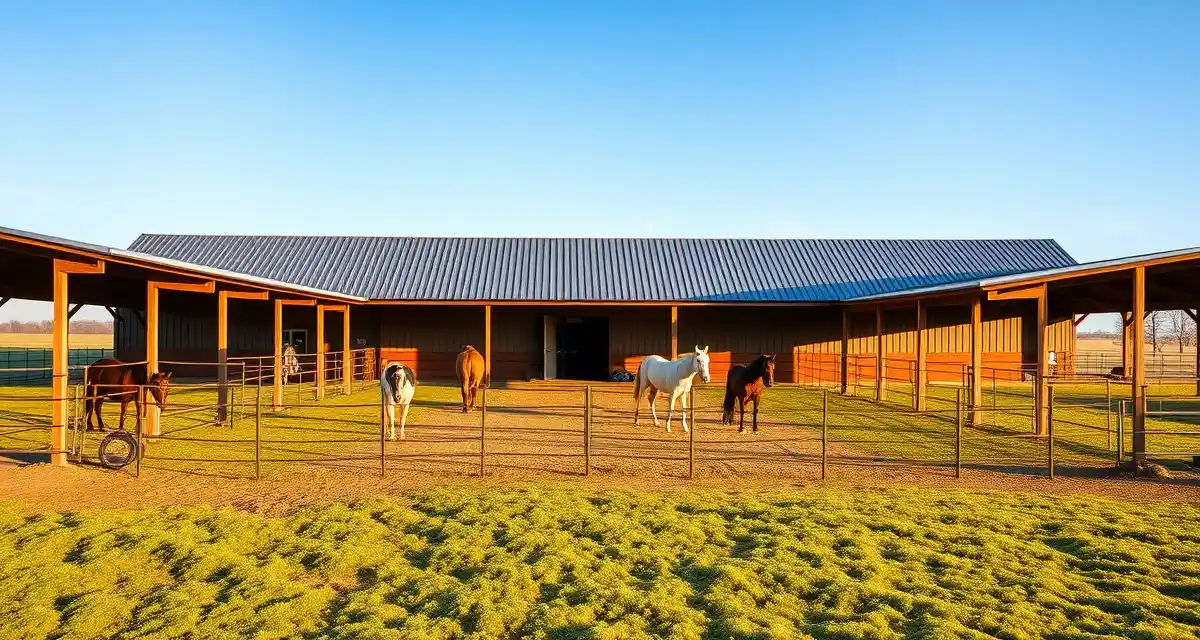
Running a Horse Boarding Business in Kansas: Guide for Barn Owners
Horse boarding is a $4 billion-plus industry in the United States, and Kansas ranks among the top states for equine activity, with hundreds of active boarding operations across the Flint Hills, Wichita metro, and rural counties. If you're running or starting a horse boarding business in Kansas, the operational details matter as much as the land and the stalls.
TL;DR
- Horse boarding in Kansas carries startup costs of $150,000 to $400,000+ for a 10-stall operation before a single horse arrives
- Full care boarding rates vary by region; pricing must cover feed, bedding, labor, insurance, and maintenance with margin for vacancies
- Break-even planning should assume 70% occupancy or less; most barns take four to five months to reach stable occupancy
- Labor is the most consistently underestimated operating expense, often running 40% higher than initial projections
- A 90-day cash reserve is a practical minimum for any new boarding operation
- Digital barn management software reduces administrative labor by hours per week and improves billing accuracy from day one
This guide covers what Kansas barn owners actually need to know: licensing, pricing, insurance, contracts, and the tools that keep operations running.
The Kansas Boarding Market: What You're Working With
Kansas has a strong base of horse owners, from competitive riders and 4-H families to trail riders and retirees keeping a single horse. Demand is consistent, but so is competition from private landowners offering informal board at low rates.
To run a sustainable equine boarding operation in KS, you need to price correctly, protect yourself legally, and communicate reliably with horse owners. Informal operations that skip contracts or undercharge rarely last more than a few years.
Licensing and Legal Requirements in Kansas
Kansas does not require a specific state-issued license to operate a horse boarding facility, but that does not mean you can operate without paperwork.
Key requirements include:
- Business registration: Register your business with the Kansas Secretary of State, whether as an LLC, sole proprietorship, or other entity
- Local zoning approval: County and municipal zoning rules vary significantly. Confirm your property is zoned for commercial equine use before signing any boarding contracts
- Sales tax: If you sell feed, supplies, or services beyond basic board, consult a Kansas tax professional about sales tax obligations
- Water and waste: Some counties have specific requirements for manure management and water runoff from equine facilities
An LLC structure is strongly recommended. It separates personal assets from business liability, which matters when you have horses worth $5,000 to $50,000+ in your care.
Pricing Horse Boarding in Kansas
Kansas boarding rates vary by region and service level. Full-care board in the Wichita or Kansas City metro areas typically runs $400 to $700 per month. Pasture board in rural counties can be as low as $150 to $250 per month.
When setting your rates, account for:
- Feed and bedding costs: Hay prices in Kansas fluctuate seasonally. Build in a buffer
- Labor: Even if you're the only worker, your time has a dollar value
- Facility overhead: Fencing, water systems, and barn maintenance are ongoing costs
- Extras: Blanketing, holding for the farrier or vet, and grain feeding are often billed separately
Underpricing is the most common mistake new barn owners make. If your full-care rate doesn't cover costs plus a margin, you're running a charity, not a business.
Contracts and Insurance
Every horse in your barn needs a signed boarding contract before it arrives. A solid contract covers monthly fees, payment plans, liability waivers, care standards, and what happens if a horse becomes ill or injured.
Kansas follows the general principle that liability waivers are enforceable when properly written, but they need to be specific. Use a contract reviewed by a Kansas equine attorney, not a generic template downloaded from the internet.
For insurance, carry at minimum:
- General liability: Covers injuries to people on your property
- Care, custody, and control (CCC): Covers horses in your care if they're injured or die
- Property insurance: Covers your barn, equipment, and structures
Managing Your Kansas Boarding Operation Day to Day
Billing, owner communication, feeding schedules, and vet records add up fast. Many barn owners in Kansas still manage these with spreadsheets and text messages, which works until it doesn't.
Purpose-built barn management software handles invoicing, digital contracts, owner portals, and health records in one place. It reduces the administrative time that eats into your actual barn work.
For a deeper look at building a boarding business from the ground up, the horse boarding business guide covers everything from facility planning to client retention.
BarnBeacon is built specifically for operations like yours, supporting Kansas boarding barns with billing automation, owner communication tools, and record-keeping that keeps you organized without adding hours to your day.
How many horses do I need to board to be profitable in Kansas?
Break-even depends on your fixed costs and board rate. A rough rule is that you need occupancy at or above 70% of capacity to cover overhead. In Kansas, full care board rates range widely by region; model your break-even before setting your rate rather than pricing against local competition and hoping the math works.
What insurance does a boarding barn need in Kansas?
Most boarding operations in Kansas need commercial general liability insurance, care custody and control coverage for boarded horses, and property insurance for structures and equipment. Equine-specific insurance brokers are familiar with Kansas requirements and can structure coverage that matches the actual risks of a boarding operation.
FAQ
What is Running a Horse Boarding Business in Kansas: Guide for Barn Owners?
Running a horse boarding business in Kansas means providing stabling, feed, and care services for horses owned by others, in exchange for monthly boarding fees. Kansas is one of the top equine states in the country, with active operations across the Flint Hills, Wichita metro, and rural counties. This guide covers everything Kansas barn owners need to operate professionally: licensing requirements, pricing strategy, insurance, contracts, and barn management software.
How much does Running a Horse Boarding Business in Kansas: Guide for Barn Owners cost?
Startup costs for a 10-stall boarding operation in Kansas typically range from $150,000 to $400,000 before the first horse arrives. Ongoing monthly expenses include feed, bedding, labor, insurance, and facility maintenance. Full care boarding rates vary by region and must be priced to cover all operating costs plus a vacancy buffer. Most operators target 70% occupancy or better to break even, and should maintain a minimum 90-day cash reserve.
How does Running a Horse Boarding Business in Kansas: Guide for Barn Owners work?
A Kansas boarding operation works by signing boarders to contracts that define care level, payment terms, and liability. Daily operations involve feeding, stall cleaning, turnout, and health monitoring. Labor typically runs 40% higher than initially projected, making it the most underestimated cost. Digital barn management software streamlines billing, scheduling, and recordkeeping, reducing administrative hours significantly and improving payment accuracy from day one.
What are the benefits of Running a Horse Boarding Business in Kansas: Guide for Barn Owners?
Running a boarding barn in Kansas offers steady recurring revenue in a state with deep equine culture and high horse ownership rates. Benefits include predictable monthly income from contracts, community ties with local riders and trainers, and the ability to scale by adding stalls or services. Proper pricing, contracts, and software tools allow owners to build a sustainable operation with manageable overhead and strong client retention.
Who needs Running a Horse Boarding Business in Kansas: Guide for Barn Owners?
This guide is for anyone starting or currently running a horse boarding business in Kansas — from first-time barn owners converting a family property to experienced equestrians formalizing an existing operation. It's especially relevant for those in the Flint Hills region, the Wichita metro, or rural Kansas counties where equine density is high. Anyone pricing services, hiring staff, or evaluating software will find actionable, Kansas-specific guidance here.
How long does Running a Horse Boarding Business in Kansas: Guide for Barn Owners take?
Most new Kansas boarding barns take four to five months to reach stable occupancy after opening. Break-even planning should assume 70% occupancy or less during the ramp-up period. Building a client waitlist before opening, marketing to local riding clubs and trainers, and launching with solid contracts and billing systems all accelerate this timeline. A 90-day cash reserve ensures the business can operate through the early occupancy gap without financial strain.
What should I look for when choosing Running a Horse Boarding Business in Kansas: Guide for Barn Owners?
When evaluating how to run a Kansas boarding operation, prioritize financial planning, legal protection, and operational systems. Key factors include realistic startup cost estimates, a pricing model that covers all variable costs plus vacancies, a legally reviewed boarding contract, and adequate liability insurance. On the operational side, look for barn management software that handles billing, health logs, and scheduling to reduce administrative burden as your client roster grows.
Is Running a Horse Boarding Business in Kansas: Guide for Barn Owners worth it?
Yes — horse boarding in Kansas is a viable and often profitable business when planned carefully. The state's strong equine culture, land availability, and horse ownership rates support consistent demand. Success depends on disciplined financial planning, realistic occupancy targets, well-structured contracts, and investing in management tools early. Barns that underestimate labor costs or skip insurance and contracts often struggle, but those that build solid operational foundations can generate reliable income for years.
Sources
- American Association of Equine Practitioners (AAEP)
- American Competitive Trail Horse Association (ACTHA)
- American Horse Council
- Kentucky Equine Research
- UC Davis Center for Equine Health
Get Started with BarnBeacon
Running a profitable boarding barn in Kansas requires more than good horsemanship. The administrative side, billing, client communication, health records, and staff coordination, determines whether your margins hold as you scale. BarnBeacon gives Kansas barn owners the operational infrastructure to run the business side as professionally as the care side. Start a free trial with your first month's data and see where the gaps are.