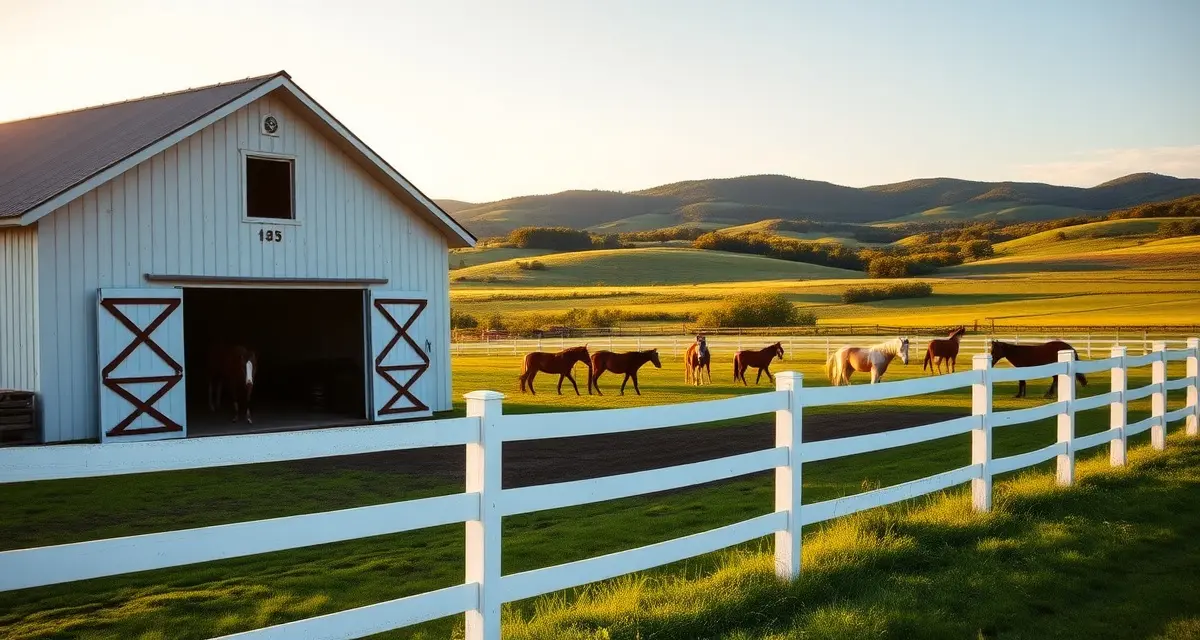
Running a Horse Boarding Business in Maine: Guide for Barn Owners
Horse boarding is a $4B+ industry across the United States, and Maine's active equestrian community makes it a meaningful slice of that market. Whether you're running a full-care facility in Cumberland County or a pasture-board operation in Aroostook, the fundamentals of a profitable horse boarding business in Maine come down to pricing, compliance, and operational efficiency.
TL;DR
- Horse boarding in Maine carries startup costs of $150,000 to $400,000+ for a 10-stall operation before a single horse arrives
- Full care boarding rates vary by region; pricing must cover feed, bedding, labor, insurance, and maintenance with margin for vacancies
- Break-even planning should assume 70% occupancy or less; most barns take four to five months to reach stable occupancy
- Labor is the most consistently underestimated operating expense, often running 40% higher than initial projections
- A 90-day cash reserve is a practical minimum for any new boarding operation
- Digital barn management software reduces administrative labor by hours per week and improves billing accuracy from day one
The Real Challenges Maine Barn Owners Face
Maine's climate adds costs that barn owners in warmer states don't deal with. Heated water systems, winter footing maintenance, and extended hay seasons all compress margins. Add in the administrative load of managing owner communications, invoicing, and health records, and it's easy to see why many barns struggle to scale past 10 to 15 horses.
The good news: most of these problems are solvable with the right systems in place.
Licensing and Legal Requirements in Maine
Maine does not require a specific "horse boarding license" at the state level, but you are not operating in a regulatory vacuum. Key requirements include:
- Business registration with the Maine Secretary of State (LLC or sole proprietorship)
- Sales tax compliance if you sell feed, supplies, or services beyond basic boarding
- Local zoning approval from your town or county for commercial agricultural use
- Agricultural water use permits if you draw from wells or surface water above certain thresholds
You should also carry a signed boarding agreement for every horse on your property. Maine courts have upheld liability limitations in boarding agreements, but only when the contract is specific and signed before the horse arrives. Consult a Maine equine attorney to draft or review your standard agreement.
How to Price Horse Boarding in Maine
Boarding rates in Maine vary significantly by region and service level. As a general benchmark:
- Pasture board: $250 to $400/month
- Stall board (basic): $450 to $650/month
- Full-care stall board: $700 to $1,100/month
Southern Maine and the Greater Portland area support rates at the higher end of these ranges. Rural central and northern Maine typically falls in the lower to mid range. Factor in your actual cost per stall, including feed, bedding, labor, utilities, and debt service, before setting rates. Many barn owners underprice because they don't account for winter utility spikes, which in Maine can run 40 to 60% higher than summer months.
Review your pricing annually. Feed and bedding costs have risen sharply since 2021, and rates that worked two years ago may now be leaving money on the table.
Insurance for Maine Boarding Barns
At minimum, a Maine boarding operation needs:
- Commercial general liability (equine-specific policy)
- Care, custody, and control coverage for horses in your care
- Property insurance covering structures, equipment, and hay inventory
Equine liability insurance in Maine typically runs $800 to $2,500 per year depending on herd size and facilities. The Maine Farm Bureau and several national equine insurers write policies in the state. Do not rely on a standard homeowner's or farm policy, as most exclude commercial boarding activity.
Managing Your Operation Day to Day
Administrative work kills barn owner profitability. Chasing down payments, tracking Coggins records, and sending individual texts to 20 horse owners is time that should go toward horse care and business development.
This is where purpose-built barn management software pays for itself quickly. Tools like BarnBeacon handle billing, owner messaging, health record tracking, and lesson scheduling in one place, built specifically for equine boarding operations. Maine barn owners running 15 or more horses typically recover the software cost within the first month through faster invoice collection alone.
For a broader look at building a boarding business from the ground up, the horse boarding business guide covers everything from facility planning to client retention.
How many horses do I need to board to be profitable in Maine?
Break-even depends on your fixed costs and board rate. A rough rule is that you need occupancy at or above 70% of capacity to cover overhead. In Maine, full care board rates range widely by region; model your break-even before setting your rate rather than pricing against local competition and hoping the math works.
What insurance does a boarding barn need in Maine?
Most boarding operations in Maine need commercial general liability insurance, care custody and control coverage for boarded horses, and property insurance for structures and equipment. Equine-specific insurance brokers are familiar with Maine requirements and can structure coverage that matches the actual risks of a boarding operation.
FAQ
What is Running a Horse Boarding Business in Maine: Guide for Barn Owners?
Running a horse boarding business in Maine is a structured guide covering the key aspects of launching and operating an equine boarding facility in the state. It addresses startup costs, regional pricing strategies, licensing, labor planning, and climate-specific operational challenges unique to Maine. The guide is designed for both new barn owners and those looking to improve profitability in an established facility, drawing on the realities of Maine's equestrian market and year-round weather demands.
How much does Running a Horse Boarding Business in Maine: Guide for Barn Owners cost?
Startup costs for a 10-stall boarding operation in Maine typically range from $150,000 to $400,000 or more before the first horse arrives. Ongoing monthly expenses include feed, bedding, labor, insurance, and facility maintenance. Full-care boarding rates must be priced to cover all operating costs plus a buffer for vacancies. Labor alone often runs 40% higher than initially projected, making accurate financial modeling essential before opening.
How does Running a Horse Boarding Business in Maine: Guide for Barn Owners work?
The business works by charging horse owners a monthly fee—ranging from pasture board to full-care stall board—in exchange for housing, feeding, and caring for their horses. Barn owners must balance occupancy rates, service tiers, and operating costs to stay profitable. Break-even planning should assume no more than 70% occupancy. Digital barn management software helps streamline billing, scheduling, and record-keeping to reduce administrative overhead from day one.
What are the benefits of Running a Horse Boarding Business in Maine: Guide for Barn Owners?
A well-run horse boarding business in Maine provides a reliable income stream within a $4B+ national equine industry. Benefits include recurring monthly revenue, community connection within Maine's active equestrian scene, and the ability to scale services over time. Operational efficiency tools like barn management software reduce administrative hours, improve billing accuracy, and free up time for hands-on animal care and client relationships.
Who needs Running a Horse Boarding Business in Maine: Guide for Barn Owners?
This guide is essential for anyone planning to open or currently operating a horse boarding facility in Maine. It's particularly valuable for owners in rural counties like Aroostook or higher-density areas like Cumberland who need region-specific pricing and compliance guidance. It also benefits barn managers, farm investors, and equestrians transitioning from personal horse ownership to a commercial boarding operation.
How long does Running a Horse Boarding Business in Maine: Guide for Barn Owners take?
Reaching stable occupancy typically takes four to five months for a new Maine boarding operation. Full financial stability—covering startup debt, operating costs, and building a cash reserve—can take one to two years depending on marketing, location, and service quality. Maintaining a 90-day cash reserve is a practical minimum during the early phase to weather slow seasons, unexpected repairs, or client turnover.
What should I look for when choosing Running a Horse Boarding Business in Maine: Guide for Barn Owners?
When evaluating how to run a boarding business in Maine, prioritize compliance with state agricultural and zoning requirements, realistic break-even modeling at 70% occupancy, and climate-ready infrastructure like heated water systems. Look for a pricing structure that covers all variable costs with margin. Also assess your labor plan carefully—it's the most underestimated expense. A solid barn management software solution from day one will save significant time and reduce billing errors.
Is Running a Horse Boarding Business in Maine: Guide for Barn Owners worth it?
For the right operator, running a horse boarding business in Maine is worth the investment. Maine's equestrian community is active and boarding demand is consistent. However, success depends on disciplined financial planning, climate-appropriate infrastructure, and efficient operations. Owners who underestimate labor costs or skip break-even analysis often struggle. With proper planning, a well-located Maine boarding barn can generate stable recurring revenue and long-term asset value in real property and reputation.
Sources
- American Association of Equine Practitioners (AAEP)
- American Horse Council
- Kentucky Equine Research
- UC Davis Center for Equine Health
- American Horse Council Economic Impact Study
Get Started with BarnBeacon
Running a profitable boarding barn in Maine requires more than good horsemanship. The administrative side, billing, client communication, health records, and staff coordination, determines whether your margins hold as you scale. BarnBeacon gives Maine barn owners the operational infrastructure to run the business side as professionally as the care side. Start a free trial with your first month's data and see where the gaps are.