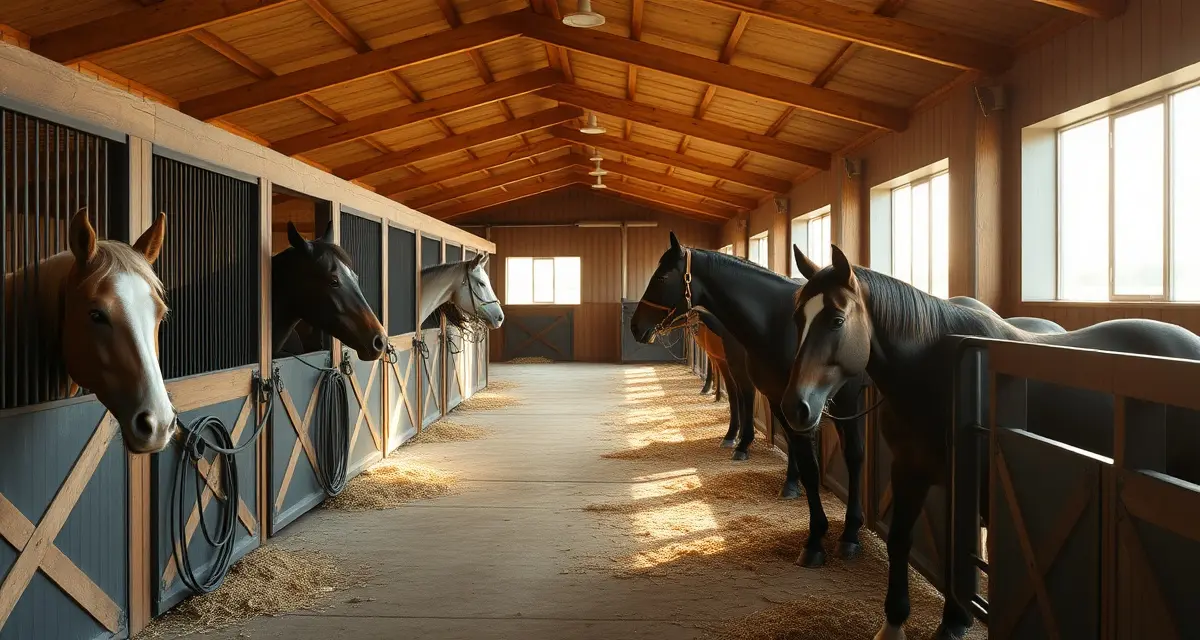
Running a Horse Boarding Business in Missouri: Guide for Barn Owners
Horse boarding is a $4B+ industry in the United States, and Missouri's strong rural culture, active trail riding community, and competitive show circuit make it one of the more active equine markets in the Midwest. If you're running or starting a horse boarding business in Missouri, the operational details matter as much as the land and facilities.
TL;DR
- Horse boarding in Missouri carries startup costs of $150,000 to $400,000+ for a 10-stall operation before a single horse arrives
- Full care boarding rates vary by region; pricing must cover feed, bedding, labor, insurance, and maintenance with margin for vacancies
- Break-even planning should assume 70% occupancy or less; most barns take four to five months to reach stable occupancy
- Labor is the most consistently underestimated operating expense, often running 40% higher than initial projections
- A 90-day cash reserve is a practical minimum for any new boarding operation
- Digital barn management software reduces administrative labor by hours per week and improves billing accuracy from day one
This guide covers what Missouri barn owners actually need to know: licensing, pricing, insurance, contracts, and how to manage it all without drowning in paperwork.
What Missouri Requires to Operate a Boarding Barn
Missouri does not require a specific state-issued "horse boarding license," but that doesn't mean you operate without oversight. You'll need a standard business license from your county or municipality, and if you're operating as an LLC or corporation, you'll register with the Missouri Secretary of State.
Zoning is where most new barn owners run into problems. Agricultural zoning typically permits boarding operations, but if your property sits near a municipality or in a mixed-use zone, you may need a conditional use permit. Check with your county planning office before you take on your first boarder.
Missouri also has an equine liability law under RSMo Chapter 537, which limits your liability for inherent risks of equine activities. You still need a signed liability waiver and boarding agreement to activate those protections in practice.
Pricing Horse Boarding in Missouri
Boarding rates in Missouri vary by region and service level. Pasture board in rural areas typically runs $150 to $300 per month. Full stall board with daily turnout, hay, and grain ranges from $400 to $700 per month in most markets. Premium facilities near Kansas City or St. Louis with indoor arenas and show amenities can push $800 to $1,200 or more.
Set your rates based on your actual costs first. Feed, bedding, labor, utilities, and facility maintenance add up fast. Many barn owners underprice because they don't account for their own time.
Add-on services like blanketing, extra feedings, medication administration, and trailer storage are legitimate revenue lines. Price them individually rather than bundling everything into a flat rate.
Insurance and Contracts: Don't Skip Either
General liability insurance is non-negotiable. Look for a policy specifically written for equine facilities, not a generic farm policy. Coverage should include care, custody, and control of horses in your care, which standard farm policies often exclude.
Your boarding contract should spell out feed and care standards, payment plans, late fees, lien rights, and what happens if a horse requires emergency veterinary care. Missouri allows boarding barn operators to assert an agister's lien on a horse for unpaid board, but only if your contract and notice procedures are properly documented.
Managing the Day-to-Day Operation
Communication with horse owners is one of the biggest pain points in boarding barn management. Owners want updates, feeding confirmations, and quick responses. Doing this manually across 20 or 30 horses via text message is unsustainable.
Barn management software built for equine operations handles billing, feeding schedules, owner messaging, and maintenance logs in one place. BarnBeacon is built specifically for boarding barn operations like yours, supporting everything from automated invoicing to daily care tracking so nothing falls through the cracks.
For a deeper look at building a boarding operation from the ground up, the horse boarding business guide covers facility planning, staffing, and growth strategies in detail.
How many horses do I need to board to be profitable in Missouri?
Break-even depends on your fixed costs and board rate. A rough rule is that you need occupancy at or above 70% of capacity to cover overhead. In Missouri, full care board rates range widely by region; model your break-even before setting your rate rather than pricing against local competition and hoping the math works.
What insurance does a boarding barn need in Missouri?
Most boarding operations in Missouri need commercial general liability insurance, care custody and control coverage for boarded horses, and property insurance for structures and equipment. Equine-specific insurance brokers are familiar with Missouri requirements and can structure coverage that matches the actual risks of a boarding operation.
FAQ
What is Running a Horse Boarding Business in Missouri: Guide for Barn Owners?
This guide covers the practical realities of starting and running a horse boarding business in Missouri. It addresses startup costs, pricing strategy, licensing, insurance, contracts, and daily operations. Missouri's rural culture, active trail riding community, and show circuit make it a strong equine market, but success depends on understanding the operational details—not just owning land and facilities. The guide gives barn owners a realistic framework for building a sustainable boarding business.
How much does Running a Horse Boarding Business in Missouri: Guide for Barn Owners cost?
Starting a 10-stall horse boarding operation in Missouri typically costs $150,000 to $400,000 before a single horse arrives. Ongoing expenses include feed, bedding, labor, insurance, and maintenance. Labor alone often runs 40% higher than initial projections. A 90-day cash reserve is considered a practical minimum. Break-even planning should assume no more than 70% occupancy, and most new barns take four to five months to reach stable boarding numbers.
How does Running a Horse Boarding Business in Missouri: Guide for Barn Owners work?
A horse boarding business provides stall space, feed, turnout, and care services to horse owners who lack their own facilities. Missouri barn owners typically offer full-care boarding, where the barn handles all daily needs, or partial-care options. Clients pay monthly rates covering feed, bedding, and labor. Operations are managed through boarder agreements, billing cycles, feeding schedules, and facility maintenance—increasingly handled through digital barn management software to reduce administrative workload.
What are the benefits of Running a Horse Boarding Business in Missouri: Guide for Barn Owners?
Running a boarding barn in Missouri gives you access to a large, active equine community with steady demand from trail riders, show competitors, and recreational horse owners. A well-run operation provides recurring monthly revenue, community engagement, and the opportunity to build a reputable local brand. For those already farming or owning rural land, boarding adds income diversification. Strong management systems and accurate pricing create a business that can grow sustainably over time.
Who needs Running a Horse Boarding Business in Missouri: Guide for Barn Owners?
This guide is built for anyone starting or currently operating a horse boarding facility in Missouri. That includes first-time barn owners transitioning from hobby farming, experienced equestrians formalizing an existing informal arrangement, and rural property owners looking to monetize land and structures. It's especially useful for those who haven't yet set up proper contracts, insurance, or pricing structures—and for any barn operator struggling with cash flow, vacancy rates, or administrative inefficiency.
How long does Running a Horse Boarding Business in Missouri: Guide for Barn Owners take?
Most new boarding operations in Missouri take four to five months to reach stable occupancy. From there, building a full client roster and achieving consistent break-even performance typically spans the first year of operation. Infrastructure build-out, licensing, and insurance setup must happen before opening. Administratively, barn owners who implement digital management tools from day one report significant time savings within the first few weeks of use compared to manual tracking methods.
What should I look for when choosing Running a Horse Boarding Business in Missouri: Guide for Barn Owners?
When establishing or evaluating a Missouri horse boarding operation, prioritize realistic pricing that covers all costs with vacancy margin, proper liability insurance, and a clear written boarding contract. Look for barn management software that handles billing and scheduling efficiently. Ensure your break-even model assumes 70% occupancy or lower. Strong local reputation, transparent communication with boarders, and consistent care standards matter as much as facilities for long-term retention and referrals.
Is Running a Horse Boarding Business in Missouri: Guide for Barn Owners worth it?
For the right operator, a Missouri horse boarding business is worth pursuing. The state's equine culture supports consistent demand, and recurring monthly revenue creates more stability than many agricultural ventures. However, it requires serious capital, disciplined cost management, and a realistic understanding of labor demands. Barn owners who go in with accurate projections, proper legal structure, and good systems in place are far more likely to build a profitable, lasting operation than those who underestimate the complexity.
Sources
- American Association of Equine Practitioners (AAEP)
- American Competitive Trail Horse Association (ACTHA)
- American Horse Council
- Kentucky Equine Research
- UC Davis Center for Equine Health
Get Started with BarnBeacon
Running a profitable boarding barn in Missouri requires more than good horsemanship. The administrative side, billing, client communication, health records, and staff coordination, determines whether your margins hold as you scale. BarnBeacon gives Missouri barn owners the operational infrastructure to run the business side as professionally as the care side. Start a free trial with your first month's data and see where the gaps are.