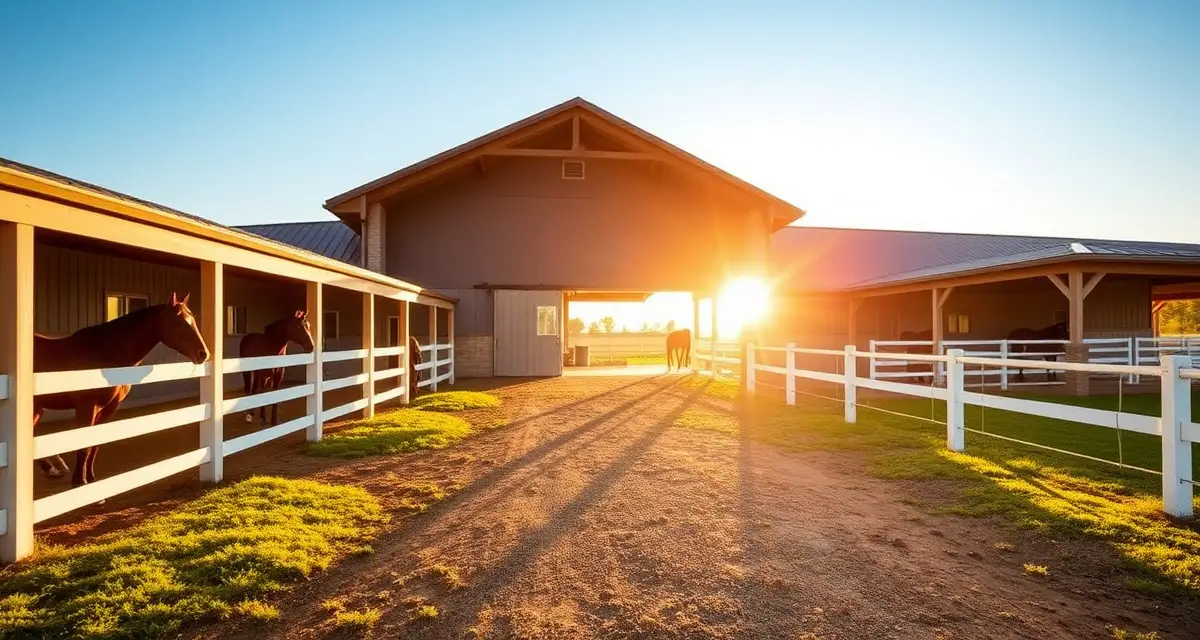
Running a Horse Boarding Business in Oklahoma: Guide for Barn Owners
Horse boarding is a $4B+ industry across the United States, and Oklahoma sits near the center of it. With a strong ranching culture, active show circuits, and hundreds of thousands of registered horses, the state offers real opportunity for barn owners who run a tight operation.
TL;DR
- Horse boarding in Oklahoma carries startup costs of $150,000 to $400,000+ for a 10-stall operation before a single horse arrives
- Full care boarding rates vary by region; pricing must cover feed, bedding, labor, insurance, and maintenance with margin for vacancies
- Break-even planning should assume 70% occupancy or less; most barns take four to five months to reach stable occupancy
- Labor is the most consistently underestimated operating expense, often running 40% higher than initial projections
- A 90-day cash reserve is a practical minimum for any new boarding operation
- Digital barn management software reduces administrative labor by hours per week and improves billing accuracy from day one
This guide covers what you need to know to run a profitable horse boarding business in Oklahoma, from licensing and pricing to contracts and day-to-day management.
The Oklahoma Boarding Market Has Specific Demands
Oklahoma boarders expect more than a stall and hay. The state's horse community spans trail riders, barrel racers, cutters, and pleasure riders, each with different expectations around turnout, feed programs, and arena access.
Understanding your local market before you set rates or build out services will save you from underpricing or building infrastructure nobody wants.
Licensing and Legal Requirements for Oklahoma Boarding Barns
Oklahoma does not require a specific "horse boarding license," but that does not mean you can operate without paperwork. Here is what you need to address before taking on boarders.
Business registration: Register your business with the Oklahoma Secretary of State. Most barn owners operate as an LLC to separate personal and business liability.
Zoning and land use: Check with your county assessor or planning office. Agricultural zoning typically permits boarding, but some counties have restrictions on commercial equine operations.
Sales tax: If you sell feed, supplements, or products to boarders, you may need to collect Oklahoma sales tax. Consult a local CPA familiar with agricultural businesses.
Coggins and health records: Oklahoma requires a current negative Coggins test for horses entering the state and for horses at shows. As a barn owner, you should require this documentation from every incoming boarder.
Liability waivers and contracts: Oklahoma follows equine activity liability statutes under the Oklahoma Equine Activities Liability Act (Title 76, Section 50.1). This law provides some protection to equine professionals, but only if you post proper signage and use written contracts. Do not skip this step.
How to Price Horse Boarding in Oklahoma
Boarding rates in Oklahoma vary by region and service level. Full-care stall boarding in the Oklahoma City and Tulsa metro areas typically runs $400 to $700 per month. Rural areas and pasture board can run $150 to $300 per month.
When setting your rates, account for:
- Feed and bedding costs per horse per month
- Labor hours per stall per day
- Facility overhead (utilities, insurance, maintenance)
- Local market rates within a 30-mile radius
Do not underprice to fill stalls. A barn running at 80% capacity with correct pricing is healthier than one at 100% capacity losing money per horse. Build in annual rate increases from the start so boarders expect them.
Insurance Every Oklahoma Boarding Barn Needs
General liability insurance is non-negotiable. Look for a policy specifically written for equine operations, not a generic farm policy. You want coverage for boarder injuries, horse injuries, and property damage.
Care, custody, and control (CCC) coverage protects you if a horse in your care is injured or dies. Many standard farm policies exclude this. Verify your policy explicitly covers it.
Managing Your Boarding Operation Day to Day
Manual tracking with spreadsheets breaks down fast once you have more than 10 horses on property. Missed invoices, forgotten farrier appointments, and unclear communication with owners create churn.
Barn management software built for equine operations handles billing, owner messaging, health records, and scheduling in one place. BarnBeacon is designed specifically for boarding barn operations like yours, supporting everything from automated invoicing to owner communication without requiring you to stitch together separate tools.
For a deeper look at building a boarding business from the ground up, the horse boarding business guide covers contracts, service tiers, and growth planning in detail.
How many horses do I need to board to be profitable in Oklahoma?
Break-even depends on your fixed costs and board rate. A rough rule is that you need occupancy at or above 70% of capacity to cover overhead. In Oklahoma, full care board rates range widely by region; model your break-even before setting your rate rather than pricing against local competition and hoping the math works.
What insurance does a boarding barn need in Oklahoma?
Most boarding operations in Oklahoma need commercial general liability insurance, care custody and control coverage for boarded horses, and property insurance for structures and equipment. Equine-specific insurance brokers are familiar with Oklahoma requirements and can structure coverage that matches the actual risks of a boarding operation.
FAQ
What is Running a Horse Boarding Business in Oklahoma: Guide for Barn Owners?
This guide covers everything Oklahoma barn owners need to launch and operate a profitable horse boarding business. It addresses startup costs, licensing requirements, pricing strategy, contract essentials, and day-to-day management. Oklahoma's strong ranching culture and active show circuits make it a viable market, but success depends on tight operations, realistic financial planning, and understanding what local boarders expect from a quality facility.
How much does Running a Horse Boarding Business in Oklahoma: Guide for Barn Owners cost?
Starting a 10-stall horse boarding operation in Oklahoma typically costs between $150,000 and $400,000 before the first horse arrives. Ongoing expenses include feed, bedding, labor, insurance, and facility maintenance. Full care boarding rates vary by region and must be priced to cover all costs plus a vacancy buffer. Labor alone often runs 40% higher than initial projections, making accurate budgeting critical from day one.
How does Running a Horse Boarding Business in Oklahoma: Guide for Barn Owners work?
A horse boarding business provides stabling, feed, and care for horses owned by clients who lack their own facilities. Barn owners set boarding tiers—ranging from pasture board to full care—collect monthly fees, and manage daily operations including feeding, stall cleaning, turnout, and facility upkeep. Digital barn management software streamlines billing and scheduling, reducing administrative hours and improving accuracy across the board.
What are the benefits of Running a Horse Boarding Business in Oklahoma: Guide for Barn Owners?
Running a horse boarding business in Oklahoma offers access to a large, passionate equine community with steady demand from trail riders, competitors, and hobbyists. A well-run barn generates recurring monthly revenue, builds long-term client relationships, and can expand into training, lessons, or events. Oklahoma's ranching culture and dense horse population provide a strong client base for owners who deliver reliable, professional care.
Who needs Running a Horse Boarding Business in Oklahoma: Guide for Barn Owners?
This guide is for aspiring and current barn owners in Oklahoma who want to run a financially sustainable boarding operation. It's especially useful for first-time operators navigating startup costs, pricing, and legal requirements, as well as experienced horse people transitioning from hobby to business. Anyone managing or planning a facility that boards horses for paying clients will find the financial benchmarks and operational advice directly applicable.
How long does Running a Horse Boarding Business in Oklahoma: Guide for Barn Owners take?
Reaching stable occupancy typically takes four to five months from opening, assuming consistent marketing and competitive pricing. Initial lease-up is the highest-risk period, so the guide recommends maintaining a minimum 90-day cash reserve. Break-even planning should assume 70% occupancy or lower. Long-term, building a reputable boarding operation is an ongoing process—client retention, facility upkeep, and consistent care standards determine how quickly a barn becomes financially stable.
What should I look for when choosing Running a Horse Boarding Business in Oklahoma: Guide for Barn Owners?
When evaluating how to structure your boarding business, prioritize realistic financial modeling over optimistic projections. Look for pricing that covers all variable costs at realistic occupancy rates. Choose contracts that clearly define liability, care standards, and payment terms. Invest in barn management software from the start to reduce billing errors and save hours weekly. Facilities that succeed long-term combine solid infrastructure, fair pricing, and dependable daily care.
Is Running a Horse Boarding Business in Oklahoma: Guide for Barn Owners worth it?
For the right operator, yes. Oklahoma's horse market is substantial, demand for quality boarding is consistent, and the recurring revenue model is predictable once occupancy stabilizes. The risks are real—startup costs are high, labor is often underestimated, and early cash flow can be tight. But barn owners who plan conservatively, price accurately, and invest in good management systems build businesses that are both financially viable and personally rewarding.
Sources
- American Association of Equine Practitioners (AAEP)
- Women's Professional Rodeo Association (WPRA)
- American Competitive Trail Horse Association (ACTHA)
- American Horse Council
- Kentucky Equine Research
Get Started with BarnBeacon
Running a profitable boarding barn in Oklahoma requires more than good horsemanship. The administrative side, billing, client communication, health records, and staff coordination, determines whether your margins hold as you scale. BarnBeacon gives Oklahoma barn owners the operational infrastructure to run the business side as professionally as the care side. Start a free trial with your first month's data and see where the gaps are.