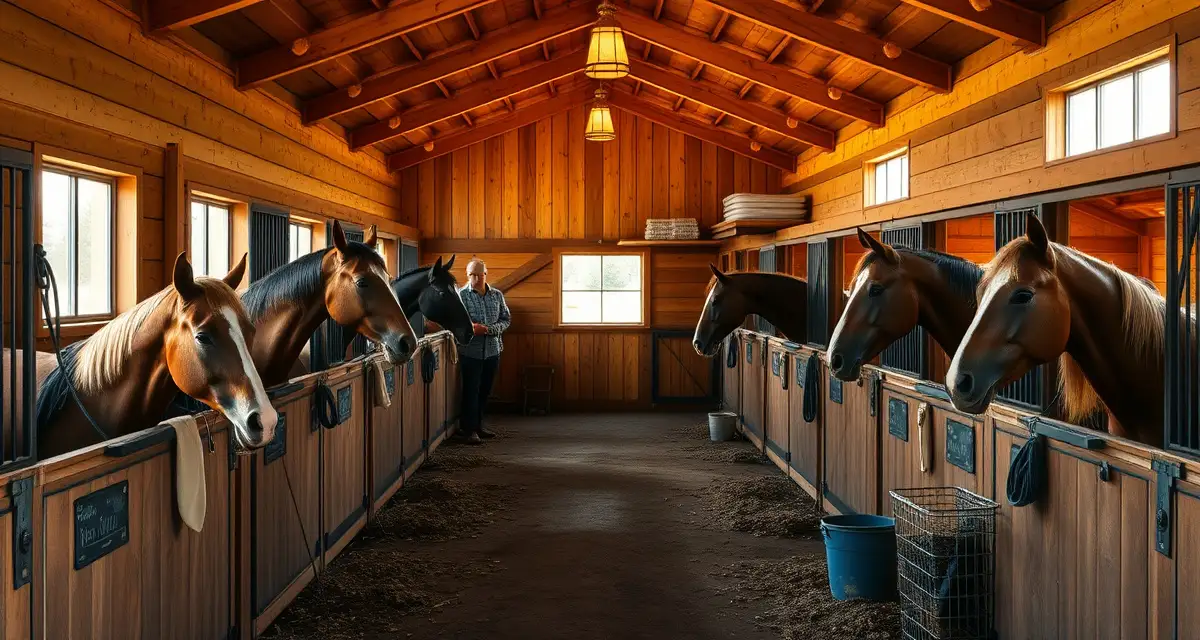
Running a Horse Boarding Business in Oregon: Guide for Barn Owners
Horse boarding is a $4B+ industry in the United States, and Oregon's mix of rural land, active equestrian communities, and year-round riding culture makes it one of the more viable states to operate in. But running a profitable equine boarding operation in OR takes more than acreage and stalls.
TL;DR
- Horse boarding in Oregon carries startup costs of $150,000 to $400,000+ for a 10-stall operation before a single horse arrives
- Full care boarding rates vary by region; pricing must cover feed, bedding, labor, insurance, and maintenance with margin for vacancies
- Break-even planning should assume 70% occupancy or less; most barns take four to five months to reach stable occupancy
- Labor is the most consistently underestimated operating expense, often running 40% higher than initial projections
- A 90-day cash reserve is a practical minimum for any new boarding operation
- Digital barn management software reduces administrative labor by hours per week and improves billing accuracy from day one
This guide covers what Oregon barn owners actually need to know: licensing, pricing, insurance, contracts, and how to manage day-to-day operations without drowning in paperwork.
What Oregon Barn Owners Need to Get Right from Day One
Most boarding operations fail not because of bad horsemanship, but because of bad business structure. Pricing is too low, contracts are too vague, and communication with horse owners breaks down fast.
Oregon has specific regulatory and liability considerations that affect how you set up your barn. Getting these right early saves significant legal and financial headaches later.
Licensing and Legal Requirements in Oregon
Oregon does not require a single unified "horse boarding license," but you will need to meet several overlapping requirements depending on your county and operation size.
Key steps include:
- Business registration: Register your business with the Oregon Secretary of State. An LLC is the most common structure for liability protection.
- County zoning compliance: Boarding operations are subject to county land use rules. Check with your county planning department before taking on clients.
- Oregon Department of Agriculture: If you're handling feed, medications, or operating at commercial scale, review ODA requirements for agricultural operations.
- Equine Activity Liability Act: Oregon's equine liability statute (ORS 30.687-30.697) provides some protection to operators, but only when clients sign compliant liability waivers.
Work with an Oregon-based agricultural attorney to draft your boarding contract and liability release. A generic template from another state may not hold up in an Oregon court.
How to Price Horse Boarding in Oregon
Boarding rates in Oregon vary significantly by region. Urban-adjacent areas like the Willamette Valley and Portland metro typically see full-care boarding rates between $600 and $1,200 per month. Rural eastern Oregon operations often run $300 to $600.
When setting your rates, factor in:
- Feed and bedding costs: These fluctuate with hay prices, which have been volatile in the Pacific Northwest
- Labor: Full-care boarding requires consistent daily labor, often the largest cost driver
- Facility overhead: Mortgage or lease, utilities, equipment maintenance, and insurance
- Market positioning: What nearby barns charge sets the ceiling; your costs set the floor
Pasture board is typically priced 40-60% lower than full stall care. Offering tiered options (pasture, partial care, full care) lets you fill different budget segments and maximize occupancy.
For a deeper look at structuring your rates and services, the horse boarding business guide covers pricing models in detail.
Insurance and Contracts
General liability insurance for equine operations in Oregon typically runs $500 to $2,000 per year depending on herd size and services offered. You should also carry care, custody, and control (CCC) coverage, which protects you if a boarded horse is injured or dies in your care.
Your boarding contract should specify:
- payment plans and late fees
- Notice period for termination
- Liability limitations aligned with Oregon's equine activity statute
- Emergency veterinary authorization and cost responsibility
Never let a horse on your property without a signed contract. Month-to-month verbal agreements are how disputes start.
Managing Daily Operations
As your barn grows past five or six horses, manual tracking becomes a liability. Missed invoices, forgotten feeding notes, and lost vaccination records create real problems with clients and vets.
Barn management software like BarnBeacon handles billing, owner communication, health records, and scheduling in one place. Oregon boarding barns using purpose-built software report spending significantly less time on administrative tasks and fewer billing disputes with clients.
BarnBeacon is built specifically for boarding operations, so it covers the workflows that matter: monthly invoicing, farrier and vet scheduling, and direct messaging with horse owners.
How many horses do I need to board to be profitable in Oregon?
Break-even depends on your fixed costs and board rate. A rough rule is that you need occupancy at or above 70% of capacity to cover overhead. In Oregon, full care board rates range widely by region; model your break-even before setting your rate rather than pricing against local competition and hoping the math works.
What insurance does a boarding barn need in Oregon?
Most boarding operations in Oregon need commercial general liability insurance, care custody and control coverage for boarded horses, and property insurance for structures and equipment. Equine-specific insurance brokers are familiar with Oregon requirements and can structure coverage that matches the actual risks of a boarding operation.
FAQ
What is Running a Horse Boarding Business in Oregon: Guide for Barn Owners?
Running a horse boarding business in Oregon means providing stabling, feed, turnout, and care services for horses owned by others. Oregon's rural land availability, active equestrian communities, and year-round riding culture make it a strong market. Barn owners typically offer full care, partial care, or pasture boarding options. The business requires licensing, proper insurance, solid contracts, and daily operational systems to manage horses, staff, and boarders effectively across varying facility sizes.
How much does Running a Horse Boarding Business in Oregon: Guide for Barn Owners cost?
Startup costs for a 10-stall boarding operation in Oregon typically range from $150,000 to $400,000 before the first horse arrives, covering infrastructure, equipment, and initial supplies. Monthly operating costs include feed, bedding, labor, insurance, and maintenance. Full care boarding rates vary by region but must cover all expenses with margin built in for vacancies. Most new operations should maintain a minimum 90-day cash reserve to weather slow occupancy periods.
How does Running a Horse Boarding Business in Oregon: Guide for Barn Owners work?
Horse boarding operations work by housing and caring for client-owned horses in exchange for monthly boarding fees. Barn owners manage daily feeding, stall cleaning, turnout, and health monitoring. Full care boarding handles everything; partial care splits responsibilities with owners. Successful operations use barn management software to track billing, medical records, feeding schedules, and communications. Oregon barns typically plan around 70% occupancy for break-even projections, since full capacity is rarely maintained consistently.
What are the benefits of Running a Horse Boarding Business in Oregon: Guide for Barn Owners?
Running a boarding barn in Oregon offers consistent monthly recurring revenue from a loyal client base in an established equestrian market. Oregon's mix of rural acreage and active riding communities supports stable demand. Barn owners build long-term relationships with boarders, benefit from asset appreciation on equine property, and can expand revenue through lessons, training, and clinics. A well-run operation with digital management tools reduces administrative overhead and improves cash flow predictability.
Who needs Running a Horse Boarding Business in Oregon: Guide for Barn Owners?
Anyone with suitable rural Oregon land, a passion for horses, and the operational capacity to manage daily animal care and client relationships is a candidate. This includes experienced equestrians transitioning to facility ownership, agricultural landowners diversifying income, and established trainers adding boarding revenue. It suits people comfortable managing staff, contracts, insurance, and business finances alongside hands-on horse care. Those without prior barn management experience should plan for a steeper learning curve in the first year.
How long does Running a Horse Boarding Business in Oregon: Guide for Barn Owners take?
Reaching stable, profitable occupancy typically takes four to five months from opening. Initial licensing, facility setup, and insurance procurement can take several weeks before accepting horses. Building a full client roster depends heavily on local marketing, word of mouth, and community reputation. Financial stability — where monthly revenue consistently exceeds operating costs — generally requires hitting 70% or higher occupancy. Most Oregon barn owners plan for a 12-to-18-month runway before the business operates comfortably on its own cash flow.
What should I look for when choosing Running a Horse Boarding Business in Oregon: Guide for Barn Owners?
Prioritize proper zoning and land use compliance with Oregon's agricultural regulations before committing to a facility. Evaluate insurance options specific to equine liability, which differs significantly from standard farm coverage. Look for strong contract templates covering boarding terms, liability waivers, and emergency care authorization. Assess whether the facility infrastructure can support your target capacity without excessive deferred maintenance. Finally, implement barn management software from day one — it reduces billing errors and saves hours of administrative work weekly.
Is Running a Horse Boarding Business in Oregon: Guide for Barn Owners worth it?
For the right operator, yes. Oregon's equestrian market provides consistent demand, and recurring monthly boarding revenue creates more predictable cash flow than many agricultural businesses. The risks are real — labor costs routinely run 40% higher than projected, and vacancies directly compress margins — but operators who plan conservatively, price accurately, and manage operations efficiently build durable businesses. Those who underestimate daily labor demands or operate without proper contracts and insurance face significant financial exposure. Preparation and systems make the difference.
Sources
- American Association of Equine Practitioners (AAEP)
- American Horse Council
- Kentucky Equine Research
- UC Davis Center for Equine Health
- American Horse Council Economic Impact Study
Get Started with BarnBeacon
Running a profitable boarding barn in Oregon requires more than good horsemanship. The administrative side, billing, client communication, health records, and staff coordination, determines whether your margins hold as you scale. BarnBeacon gives Oregon barn owners the operational infrastructure to run the business side as professionally as the care side. Start a free trial with your first month's data and see where the gaps are.