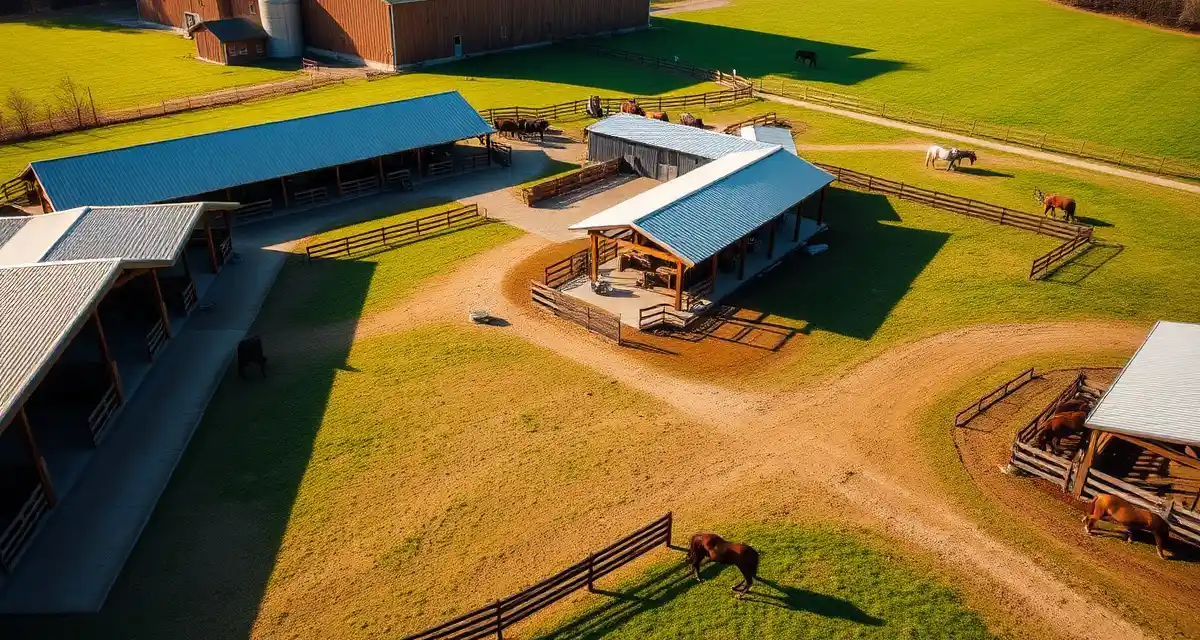
Running a Horse Boarding Business in Pennsylvania: Guide for Barn Owners
Horse boarding is a $4B+ industry across the United States, and Pennsylvania ranks among the top states for equine activity, with over 250,000 horses statewide. If you're running or planning a horse boarding business in Pennsylvania, the operational details matter as much as the land and the stalls.
TL;DR
- Horse boarding in Pennsylvania carries startup costs of $150,000 to $400,000+ for a 10-stall operation before a single horse arrives
- Full care boarding rates vary by region; pricing must cover feed, bedding, labor, insurance, and maintenance with margin for vacancies
- Break-even planning should assume 70% occupancy or less; most barns take four to five months to reach stable occupancy
- Labor is the most consistently underestimated operating expense, often running 40% higher than initial projections
- A 90-day cash reserve is a practical minimum for any new boarding operation
- Digital barn management software reduces administrative labor by hours per week and improves billing accuracy from day one
This guide covers what Pennsylvania barn owners actually need to know: licensing, pricing, insurance, contracts, and the tools that keep operations running.
The Real Challenges of Running a Boarding Barn in PA
Most boarding barns don't fail because of bad horsemanship. They fail because of poor cash flow management, unclear contracts, and communication breakdowns with horse owners.
Pennsylvania's mix of suburban sprawl and rural farmland creates a competitive boarding market, especially in Chester County, Lancaster County, and the Pittsburgh suburbs. Boarders have options, which means your operation needs to run professionally from day one.
Licensing and Legal Requirements in Pennsylvania
Pennsylvania does not require a specific "horse boarding license" at the state level, but several requirements apply depending on your setup.
- Business registration: Register your business with the Pennsylvania Department of State. An LLC structure is common for liability protection.
- Agricultural zoning: Confirm your property is zoned for commercial equine activity. Zoning rules vary significantly by township.
- Sales tax: Boarding services are generally exempt from Pennsylvania sales tax, but add-on services like training or lessons may not be. Consult a PA-based accountant.
- Water and manure management: Operations above certain thresholds may fall under PA DEP nutrient management regulations.
An attorney familiar with Pennsylvania agricultural law is worth the consultation fee before you sign your first boarding contract.
How to Price Horse Boarding in Pennsylvania
Boarding rates in Pennsylvania vary by region and service level. Full-care boarding in Chester County or the Main Line area can run $1,200 to $2,000+ per month. In more rural central or western PA, rates typically fall between $500 and $900 per month.
When setting your rates, factor in:
- Feed and hay costs: PA hay prices fluctuate seasonally. Build in a buffer.
- Labor: Full-care boarding requires consistent daily labor. Underpricing this is the most common mistake new barn owners make.
- Stall overhead: Bedding, utilities, and facility maintenance add up fast.
- Turnout and extras: Blanketing, medication administration, and extra feedings should be line items, not freebies.
Review your rates annually. Many barns in Pennsylvania have held flat rates for years and are now operating at a loss.
Contracts and Insurance for PA Boarding Barns
A signed boarding contract is non-negotiable. Pennsylvania courts have upheld liability waivers in equine cases, but only when they are clearly written and properly executed. Your contract should cover payment plans, notice periods, liability, and what happens if a horse requires emergency veterinary care.
For insurance, look for a policy that covers:
- General liability (equine-specific)
- Care, custody, and control coverage
- Property and farm structures
Markel and USAA are commonly used by Pennsylvania equine operations, but work with a broker who understands agricultural risk in PA specifically.
Managing Your Equine Boarding Operation in PA
Once you have more than five or six horses on property, spreadsheets stop working. Billing errors, missed farrier appointments, and owner communication gaps create churn.
Purpose-built barn management software handles billing, feeding schedules, health records, and owner messaging in one place. For Pennsylvania barn owners managing a mix of full-care and partial-care boarders, that kind of structure pays for itself quickly.
For a broader look at building a sustainable operation, the horse boarding business guide covers everything from facility setup to retention strategies.
BarnBeacon is built specifically for boarding barn operations, supporting Pennsylvania barn owners with automated billing, owner communication tools, and record-keeping that keeps your barn running without the administrative chaos.
How many horses do I need to board to be profitable in Pennsylvania?
Break-even depends on your fixed costs and board rate. A rough rule is that you need occupancy at or above 70% of capacity to cover overhead. In Pennsylvania, full care board rates range widely by region; model your break-even before setting your rate rather than pricing against local competition and hoping the math works.
What insurance does a boarding barn need in Pennsylvania?
Most boarding operations in Pennsylvania need commercial general liability insurance, care custody and control coverage for boarded horses, and property insurance for structures and equipment. Equine-specific insurance brokers are familiar with Pennsylvania requirements and can structure coverage that matches the actual risks of a boarding operation.
FAQ
What is Running a Horse Boarding Business in Pennsylvania: Guide for Barn Owners?
This guide covers the operational, legal, and financial essentials for running a horse boarding business in Pennsylvania. Pennsylvania is one of the top equine states in the country, home to over 250,000 horses. The guide walks barn owners through startup costs, pricing strategies, licensing requirements, insurance, contracts, labor planning, and barn management software—giving both new and experienced operators a practical framework for building a sustainable boarding operation.
How much does Running a Horse Boarding Business in Pennsylvania: Guide for Barn Owners cost?
Starting a 10-stall horse boarding operation in Pennsylvania typically costs between $150,000 and $400,000 before the first horse arrives. Ongoing monthly expenses include feed, bedding, labor, insurance, and facility maintenance. Full-care boarding rates vary by region and must be priced to cover all costs with margin built in. Labor alone often runs 40% higher than initial projections, making accurate budgeting critical. A 90-day cash reserve is the recommended minimum buffer for new operations.
How does Running a Horse Boarding Business in Pennsylvania: Guide for Barn Owners work?
A horse boarding business provides stabling, feed, turnout, and care services to horse owners who lack their own facilities. Barn owners manage daily feeding schedules, stall cleaning, turnout rotations, and boarder communication. Most operations use boarding agreements to define services and liability. Digital barn management software streamlines billing, scheduling, and recordkeeping. Revenue depends on occupancy rate, service tier, and local market rates—with most barns planning around 70% occupancy for conservative break-even modeling.
What are the benefits of Running a Horse Boarding Business in Pennsylvania: Guide for Barn Owners?
Running a boarding barn in Pennsylvania gives you access to one of the most active equine markets in the US. Benefits include recurring monthly revenue from boarders, opportunities to offer add-on services like training or lessons, and the ability to offset land and facility costs. A well-run operation builds long-term client relationships and community reputation. With the right systems in place, barn management software can reduce administrative hours significantly and improve billing accuracy from the start.
Who needs Running a Horse Boarding Business in Pennsylvania: Guide for Barn Owners?
This guide is designed for Pennsylvania barn owners who are starting, expanding, or optimizing a horse boarding business. It's equally useful for landowners considering entering the boarding market and experienced operators looking to tighten margins or reduce administrative burden. Anyone managing multiple horses for paying clients—whether running a small hobby barn or a larger full-service facility—will find the licensing, pricing, insurance, and software guidance directly applicable to their operation.
How long does Running a Horse Boarding Business in Pennsylvania: Guide for Barn Owners take?
Most new horse boarding operations in Pennsylvania take four to five months to reach stable occupancy. Break-even planning should account for a ramp-up period at 70% capacity or less. Initial licensing, insurance setup, and facility preparation can take several weeks before the first boarder arrives. Once open, building a reliable client base depends on local reputation, service quality, and pricing competitiveness. A 90-day cash reserve helps bridge the gap between opening and consistent monthly revenue.
What should I look for when choosing Running a Horse Boarding Business in Pennsylvania: Guide for Barn Owners?
When evaluating how to structure your Pennsylvania boarding operation, prioritize licensing compliance, proper liability insurance, and a solid boarding contract reviewed by an equine attorney. Look for barn management software that handles billing, communication, and scheduling in one place. Price your services to cover full operating costs with a vacancy buffer—not just best-case occupancy. Vet your labor costs carefully, as they are the most commonly underestimated expense and can undermine otherwise sound financial projections.
Is Running a Horse Boarding Business in Pennsylvania: Guide for Barn Owners worth it?
For the right operator, a Pennsylvania horse boarding business is a viable long-term venture. The state's large equine population creates consistent demand, and recurring monthly revenue provides more stability than many agricultural income models. That said, startup costs are substantial, labor is demanding, and margins require careful management. Success depends on realistic financial planning, strong contracts, appropriate insurance, and operational systems that scale. Owners who treat it as a business from day one—not just a lifestyle—tend to build sustainable operations.
Sources
- American Association of Equine Practitioners (AAEP)
- American Horse Council
- Kentucky Equine Research
- UC Davis Center for Equine Health
- American Horse Council Economic Impact Study
Get Started with BarnBeacon
Running a profitable boarding barn in Pennsylvania requires more than good horsemanship. The administrative side, billing, client communication, health records, and staff coordination, determines whether your margins hold as you scale. BarnBeacon gives Pennsylvania barn owners the operational infrastructure to run the business side as professionally as the care side. Start a free trial with your first month's data and see where the gaps are.