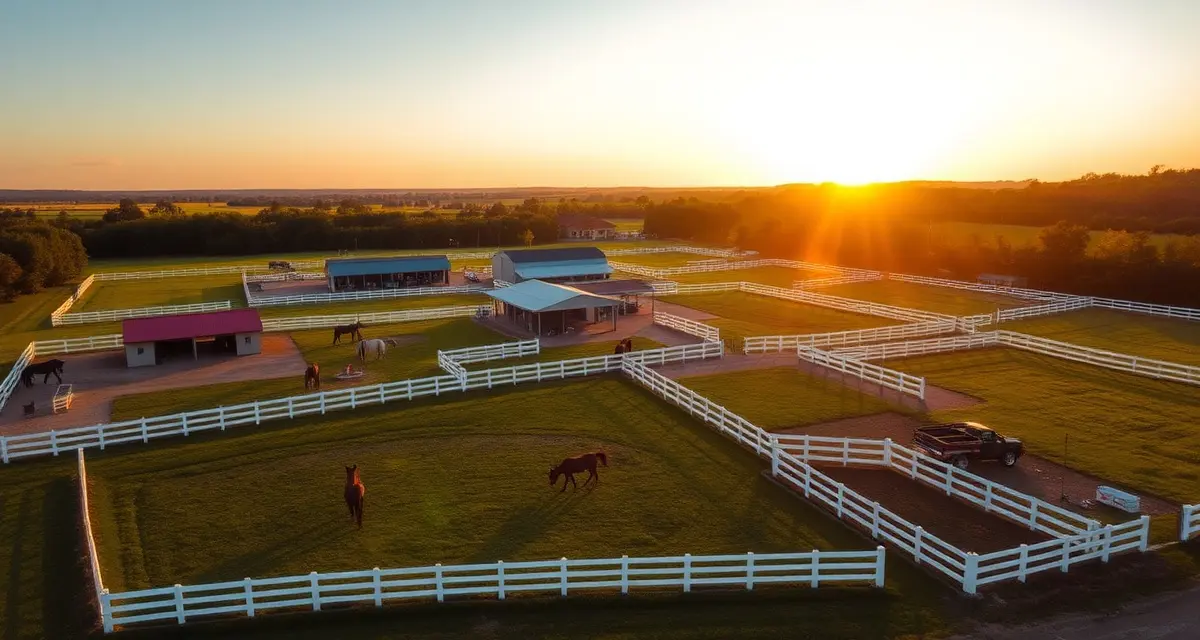
Running a Horse Boarding Business in Tennessee: Guide for Barn Owners
Horse boarding is a $4B+ industry in the United States, and Tennessee sits firmly in the middle of that market. With strong equestrian communities across Middle Tennessee, the Cumberland Plateau, and the greater Nashville and Knoxville areas, demand for quality boarding is real and growing.
TL;DR
- Horse boarding in Tennessee carries startup costs of $150,000 to $400,000+ for a 10-stall operation before a single horse arrives
- Full care boarding rates vary by region; pricing must cover feed, bedding, labor, insurance, and maintenance with margin for vacancies
- Break-even planning should assume 70% occupancy or less; most barns take four to five months to reach stable occupancy
- Labor is the most consistently underestimated operating expense, often running 40% higher than initial projections
- A 90-day cash reserve is a practical minimum for any new boarding operation
- Digital barn management software reduces administrative labor by hours per week and improves billing accuracy from day one
Running a horse boarding business in Tennessee requires more than good horsemanship. You need the right legal structure, competitive pricing, solid contracts, and systems that keep operations from eating your entire day.
What Tennessee Barn Owners Need to Get Right from Day One
Most boarding operations fail not because of bad horsemanship but because of bad business structure. Tennessee has specific considerations around liability, zoning, and taxation that affect how you set up and run your barn.
Getting these foundations right early saves significant legal and financial headaches later.
Business Structure and Registration
Register your business with the Tennessee Secretary of State. Most barn owners choose an LLC for liability protection, which matters significantly when horses and people share the same space.
You will also need a federal EIN if you plan to hire employees or open a business bank account, both of which you should do from the start.
Zoning and Agricultural Classification
Tennessee offers an agricultural exemption on property taxes, but you must apply for it through your county assessor's office. Boarding operations typically qualify, but adding retail, lessons, or events can complicate that classification.
Check local zoning ordinances before expanding services. County rules vary widely between Williamson, Shelby, and rural East Tennessee counties.
Insurance Requirements
Carry equine liability insurance and a general commercial policy. Tennessee's Equine Activity Liability Act (T.C.A. § 44-20-101) provides some protection for inherent risks, but it does not replace proper insurance coverage.
Require every horse owner to sign a liability waiver as part of their boarding agreement. Courts in Tennessee have upheld these waivers when properly drafted.
Pricing Horse Boarding in Tennessee
Boarding rates in Tennessee range from roughly $300 per month for pasture board in rural areas to $800 or more per month for full-care stall board near urban centers like Nashville or Chattanooga.
Set your rates based on your actual costs, not what the barn down the road charges. Calculate feed, bedding, labor, utilities, and facility maintenance per stall per month, then add your margin. Underpricing is the most common mistake new boarding operations make.
Consider offering tiered packages: pasture board, stall board, and full-care board. This gives horse owners options and increases your average revenue per client.
Contracts and Owner Communication
A written boarding contract is non-negotiable. It should cover monthly rates, payment due dates, late fees, feed and care responsibilities, emergency veterinary authorization, and termination terms.
Tennessee does not have a specific equine boarding statute, so your contract is your primary legal protection. Have an attorney review it before you use it.
Owner communication is where many barns lose clients. Missed updates, unclear billing, and slow responses to questions erode trust fast. This is where barn management software pays for itself quickly, centralizing billing, daily logs, and messaging in one place.
Managing Daily Operations at Scale
Once you move past five or six horses, manual tracking becomes a liability. Feed schedules, medication logs, farrier appointments, and invoicing all need a system.
BarnBeacon is built specifically for boarding barn operations like yours in Tennessee, handling everything from automated billing to owner-facing updates. If you are building out your operation and want a complete framework, the horse boarding business guide covers setup, pricing, and growth in detail.
A well-run equine boarding operation in TN runs on consistent processes, not heroic daily effort.
How many horses do I need to board to be profitable in Tennessee?
Break-even depends on your fixed costs and board rate. A rough rule is that you need occupancy at or above 70% of capacity to cover overhead. In Tennessee, full care board rates range widely by region; model your break-even before setting your rate rather than pricing against local competition and hoping the math works.
What insurance does a boarding barn need in Tennessee?
Most boarding operations in Tennessee need commercial general liability insurance, care custody and control coverage for boarded horses, and property insurance for structures and equipment. Equine-specific insurance brokers are familiar with Tennessee requirements and can structure coverage that matches the actual risks of a boarding operation.
FAQ
What is Running a Horse Boarding Business in Tennessee: Guide for Barn Owners?
Running a horse boarding business in Tennessee means providing housing, feed, and care for horses owned by others in exchange for monthly fees. Tennessee's strong equestrian culture across Middle Tennessee, the Cumberland Plateau, and Nashville and Knoxville corridors makes it a viable market. Barn owners manage daily operations including feeding, stall cleaning, turnout, and facility maintenance while building relationships with horse owners who depend on consistent, professional care.
How much does Running a Horse Boarding Business in Tennessee: Guide for Barn Owners cost?
Startup costs for a 10-stall boarding operation in Tennessee typically range from $150,000 to $400,000 before the first horse arrives. Ongoing monthly expenses include feed, bedding, labor, insurance, and maintenance. Full care boarding rates vary by region but must cover all operating costs with a buffer for vacancies. Most new barns should maintain a 90-day cash reserve and plan for labor expenses running 40% above initial estimates.
How does Running a Horse Boarding Business in Tennessee: Guide for Barn Owners work?
Horse boarding operations work by charging boarders a monthly fee in exchange for stall space and a defined level of care. Full care includes feeding, stall cleaning, and turnout. Partial or self-care arrangements shift some responsibilities to the horse owner. Barn owners set contracts, collect payments, manage staff, maintain facilities, and track horse health and feeding schedules, increasingly using barn management software to streamline billing and daily logs.
What are the benefits of Running a Horse Boarding Business in Tennessee: Guide for Barn Owners?
A well-run Tennessee boarding barn generates recurring monthly revenue, builds long-term client relationships, and serves a growing equestrian community with real demand. Beyond income, owners benefit from operating in a lifestyle business aligned with their passion for horses. Digital management tools reduce administrative hours significantly, improve billing accuracy, and free up time for facility improvements and client retention that drive occupancy and referrals.
Who needs Running a Horse Boarding Business in Tennessee: Guide for Barn Owners?
Anyone looking to turn rural Tennessee acreage into a sustainable equestrian business should understand what running a boarding barn actually involves. This guide is especially relevant for first-time barn owners, horse enthusiasts transitioning from hobbyist to commercial operation, and existing farmers exploring diversification. It also applies to anyone purchasing an existing boarding facility who needs to evaluate its legal structure, pricing model, and operational systems.
How long does Running a Horse Boarding Business in Tennessee: Guide for Barn Owners take?
Reaching stable operations takes longer than most new barn owners expect. Break-even planning should assume 70% occupancy or less, and most Tennessee boarding barns take four to five months to reach consistent occupancy after opening. Building a full client roster can take a full year or more depending on local competition, marketing, and reputation. Owners should plan financially for a slow ramp and not treat initial revenue projections as guaranteed.
What should I look for when choosing Running a Horse Boarding Business in Tennessee: Guide for Barn Owners?
When evaluating how to structure a Tennessee boarding operation, prioritize legal protection through an appropriate business entity, a solid boarding contract, and equine liability coverage. Operationally, look for a realistic pricing model that covers true costs including labor, a cash reserve for slow months, and barn management software that handles billing and records from day one. Facilities should be evaluated for safety, capacity, and the ability to support the care level you intend to offer.
Is Running a Horse Boarding Business in Tennessee: Guide for Barn Owners worth it?
For those serious about equestrian business in Tennessee, yes. The market has real demand, recurring revenue potential, and benefits from digital tools that make operations manageable. However, it rewards operators who go in with accurate cost projections, proper contracts, and disciplined financial planning. Underestimating labor or skipping legal setup are common and costly mistakes. With realistic expectations and the right systems in place, a Tennessee boarding barn can be both sustainable and personally rewarding.
Sources
- American Association of Equine Practitioners (AAEP)
- American Horse Council
- Kentucky Equine Research
- UC Davis Center for Equine Health
- American Horse Council Economic Impact Study
Get Started with BarnBeacon
Running a profitable boarding barn in Tennessee requires more than good horsemanship. The administrative side, billing, client communication, health records, and staff coordination, determines whether your margins hold as you scale. BarnBeacon gives Tennessee barn owners the operational infrastructure to run the business side as professionally as the care side. Start a free trial with your first month's data and see where the gaps are.