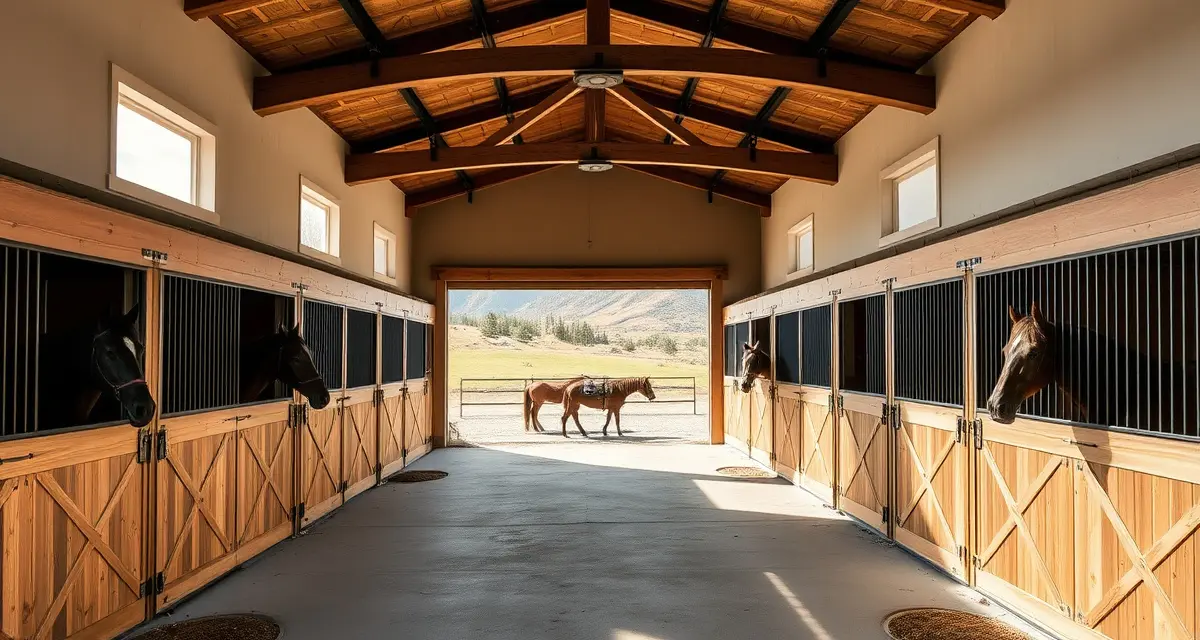
Running a Horse Boarding Business in Utah: Guide for Barn Owners
Horse boarding is a $4B+ industry across the United States, and Utah represents a meaningful slice of that market. With strong equestrian communities in areas like Utah County, Cache Valley, and the Wasatch Front, demand for quality boarding facilities continues to grow.
TL;DR
- Horse boarding in Utah carries startup costs of $150,000 to $400,000+ for a 10-stall operation before a single horse arrives
- Full care boarding rates vary by region; pricing must cover feed, bedding, labor, insurance, and maintenance with margin for vacancies
- Break-even planning should assume 70% occupancy or less; most barns take four to five months to reach stable occupancy
- Labor is the most consistently underestimated operating expense, often running 40% higher than initial projections
- A 90-day cash reserve is a practical minimum for any new boarding operation
- Digital barn management software reduces administrative labor by hours per week and improves billing accuracy from day one
Running a successful horse boarding business in Utah takes more than land and stalls. You need the right pricing structure, legal protections, and systems to manage daily operations without burning out.
The Real Challenges Utah Barn Owners Face
Most boarding barn owners underestimate the administrative load. Tracking payments, managing boarder communications, scheduling farriers and vets, and keeping stall records current can consume hours every week that should go toward actual horse care.
Utah's climate adds another layer. Harsh winters in northern Utah and dry summers statewide affect feed costs, water management, and facility maintenance in ways that directly impact your margins.
Licensing and Legal Requirements in Utah
Utah does not require a specific "horse boarding license," but you are operating a business and must comply with general state and county requirements. Start with these steps:
- Register your business entity with the Utah Division of Corporations
- Obtain a local business license from your county or municipality
- Check zoning compliance with your county planning office, especially if you are in a transitional rural-urban area
- Review Utah's Right to Farm Act protections if your operation qualifies as an agricultural business
Liability insurance is non-negotiable. A standard equine liability policy in Utah typically runs $500 to $1,500 per year depending on herd size and services offered. Pair that with a signed boarding contract for every horse on your property. Your contract should cover payment plans, liability waivers, emergency veterinary authorization, and notice periods for departure.
Pricing Horse Boarding in Utah
Rates vary significantly by region and service level. Pasture board in rural Utah can run $150 to $250 per month. Full stall board with daily turnout, feeding, and basic care typically ranges from $400 to $700 per month in most Utah markets. Premium facilities near Salt Lake City or with arena access can charge $800 or more.
When setting your rates, calculate your actual cost per stall first. Factor in hay, bedding, water, labor, insurance, and facility maintenance. Many barn owners underprice because they skip this step and end up subsidizing their boarders without realizing it.
Offering tiered packages, such as pasture, partial, and full board, gives clients options while protecting your margins on the higher-service tiers.
Managing Your Equine Boarding Operation in Utah
Efficient management is what separates profitable barns from ones that break even or worse. Boarder communication alone, if handled through text threads and paper notes, creates constant friction and missed payments.
Purpose-built barn management software centralizes billing, owner messaging, health records, and scheduling in one place. BarnBeacon is built specifically for boarding barn operations, handling everything from automated invoicing to owner communication so you spend less time on administration and more time on your horses.
For a deeper look at building a boarding business from the ground up, the horse boarding business guide covers business planning, contracts, and growth strategies in detail.
Key Points for Utah Barn Owners
- Know your costs before setting rates. Hay prices in Utah fluctuate seasonally. Build that variability into your pricing model.
- Get your contracts right from day one. A solid boarding agreement protects you legally and sets clear expectations with every boarder.
- Use software to manage the business side. Manual tracking works until it doesn't. The right tools pay for themselves quickly in recovered time and fewer missed payments.
How many horses do I need to board to be profitable in Utah?
Break-even depends on your fixed costs and board rate. A rough rule is that you need occupancy at or above 70% of capacity to cover overhead. In Utah, full care board rates range widely by region; model your break-even before setting your rate rather than pricing against local competition and hoping the math works.
What insurance does a boarding barn need in Utah?
Most boarding operations in Utah need commercial general liability insurance, care custody and control coverage for boarded horses, and property insurance for structures and equipment. Equine-specific insurance brokers are familiar with Utah requirements and can structure coverage that matches the actual risks of a boarding operation.
FAQ
What is Running a Horse Boarding Business in Utah: Guide for Barn Owners?
Running a horse boarding business in Utah means providing housing, feed, and care for horses owned by others in exchange for monthly fees. Utah has strong equestrian communities in Utah County, Cache Valley, and the Wasatch Front, making it a viable market. Barn owners must manage daily operations, client relationships, staff, and facility maintenance while navigating state regulations and liability considerations unique to the horse boarding industry.
How much does Running a Horse Boarding Business in Utah: Guide for Barn Owners cost?
Startup costs for a 10-stall Utah boarding operation typically range from $150,000 to $400,000 before the first horse arrives. Ongoing monthly expenses include feed, bedding, labor, insurance, and facility maintenance. Full care boarding rates vary by region but must cover all operating costs plus a vacancy buffer. Most new barns target 70% occupancy for break-even planning and should maintain a 90-day cash reserve.
How does Running a Horse Boarding Business in Utah: Guide for Barn Owners work?
Horse boarding works by charging boarders a monthly fee in exchange for stall space and a defined level of care—ranging from pasture board to full care with daily feeding, turnout, and stall cleaning. Barn owners set pricing tiers, sign boarding agreements, manage schedules, and coordinate with farriers and veterinarians. Digital barn management software streamlines billing, communication, and record-keeping significantly.
What are the benefits of Running a Horse Boarding Business in Utah: Guide for Barn Owners?
Running a boarding business in Utah provides recurring monthly revenue, strong community ties within equestrian circles, and the ability to monetize existing land and infrastructure. Benefits include relatively predictable cash flow once occupancy stabilizes, opportunities to add revenue streams like lessons or training, and participation in a growing $4B+ national industry with consistent regional demand in Utah's equestrian hubs.
Who needs Running a Horse Boarding Business in Utah: Guide for Barn Owners?
This guide is for landowners, equestrians, and entrepreneurs in Utah who are considering launching or scaling a horse boarding operation. It is especially relevant for those with existing acreage near equestrian communities who want a structured framework for pricing, legal protection, staffing, and daily operations—without the trial-and-error that causes many new barn businesses to fail within the first two years.
How long does Running a Horse Boarding Business in Utah: Guide for Barn Owners take?
Reaching stable occupancy typically takes four to five months for a new Utah boarding facility. Full operational setup—permits, fencing, stall construction, insurance, and client acquisition—can add several months before opening. Labor costs and administrative systems take additional time to optimize. Plan for at least six to twelve months before the business runs efficiently, and build cash reserves to cover the ramp-up period without financial stress.
What should I look for when choosing Running a Horse Boarding Business in Utah: Guide for Barn Owners?
When evaluating how to structure your Utah boarding operation, look for clear pricing that covers all costs with margin, written boarding agreements that limit liability, proper zoning and water rights compliance, and adequate insurance. Prioritize facilities with efficient layouts that reduce labor hours. Digital management tools should handle billing and communication. Seek mentorship from established Utah barn owners who understand local feed costs, climate considerations, and regional market expectations.
Is Running a Horse Boarding Business in Utah: Guide for Barn Owners worth it?
For the right operator with suitable land and access to Utah's equestrian market, horse boarding can be a worthwhile long-term business. It is not a passive income source—labor is consistently underestimated, running 40% above initial projections for most barns. Success requires disciplined pricing, strong systems, and realistic occupancy expectations. Owners who treat it as a managed business rather than a lifestyle hobby tend to achieve sustainable profitability within two to three years.
Sources
- American Association of Equine Practitioners (AAEP)
- American Horse Council
- Kentucky Equine Research
- UC Davis Center for Equine Health
- American Horse Council Economic Impact Study
Get Started with BarnBeacon
Running a profitable boarding barn in Utah requires more than good horsemanship. The administrative side, billing, client communication, health records, and staff coordination, determines whether your margins hold as you scale. BarnBeacon gives Utah barn owners the operational infrastructure to run the business side as professionally as the care side. Start a free trial with your first month's data and see where the gaps are.