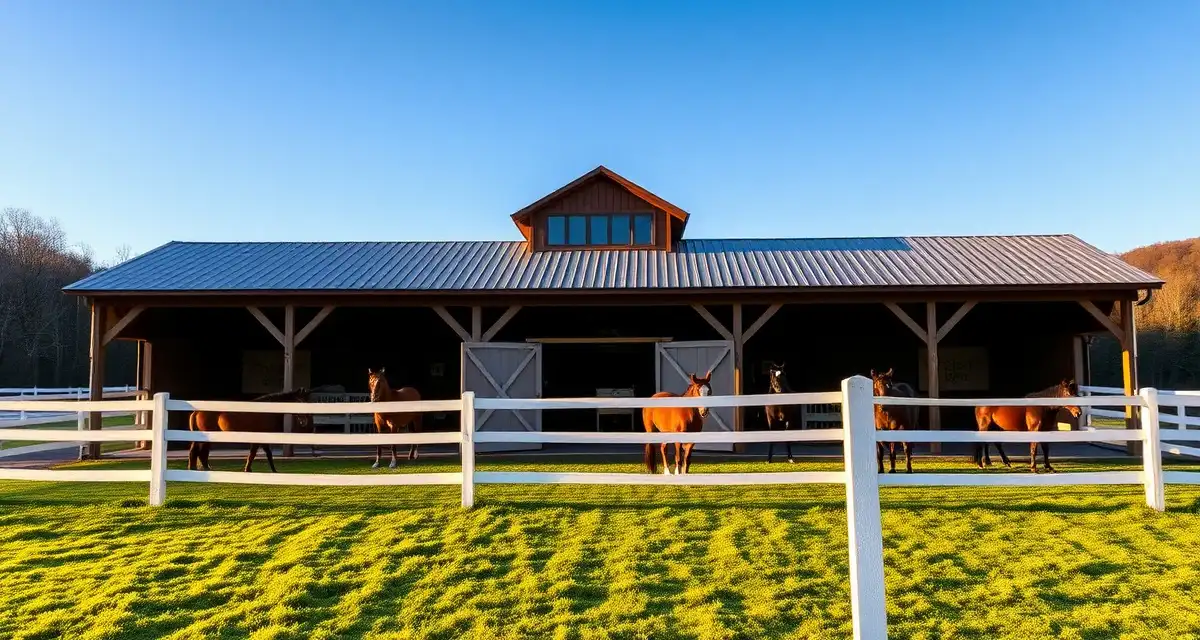
Running a Horse Boarding Business in Vermont: Guide for Barn Owners
Horse boarding is a $4B+ industry across the United States, and Vermont punches well above its weight in that market. With a strong equestrian culture, active trail riding communities, and year-round demand from both local owners and seasonal residents, Vermont barn owners have real opportunity to build a sustainable boarding operation.
TL;DR
- Horse boarding in Vermont carries startup costs of $150,000 to $400,000+ for a 10-stall operation before a single horse arrives
- Full care boarding rates vary by region; pricing must cover feed, bedding, labor, insurance, and maintenance with margin for vacancies
- Break-even planning should assume 70% occupancy or less; most barns take four to five months to reach stable occupancy
- Labor is the most consistently underestimated operating expense, often running 40% higher than initial projections
- A 90-day cash reserve is a practical minimum for any new boarding operation
- Digital barn management software reduces administrative labor by hours per week and improves billing accuracy from day one
But running a profitable barn here requires more than good horsemanship. Pricing, licensing, insurance, contracts, and daily operations all need to work together.
The Vermont Boarding Market: What You're Working With
Vermont's equine industry is concentrated in Addison, Windsor, and Washington counties, with strong pockets in the Northeast Kingdom. Demand for quality boarding stays consistent year-round, though winter care costs are significantly higher due to heating, bedding, and feed requirements.
Full-care boarding in Vermont typically runs between $600 and $1,200 per month depending on location, facility quality, and services included. Partial care and pasture board run lower, often $250 to $500. Urban-adjacent facilities near Burlington or Stowe can command premium rates.
Understanding your local competitive set matters. Most barns in Vermont operate without formal rate structures or written contracts, which creates an opening for operators who run a tighter business.
Licensing and Legal Requirements for Vermont Barn Owners
Vermont does not require a specific state license to operate a horse boarding facility, but several legal steps are non-negotiable.
Business registration: Register your business with the Vermont Secretary of State. LLCs are the most common structure for boarding operations because they provide liability separation.
Act 250 permits: If you're building or expanding facilities, Vermont's Act 250 land use law may apply. Check with the Vermont Natural Resources Board before breaking ground.
Agricultural exemptions: Vermont offers significant property tax benefits for agricultural land. Working with a local attorney to confirm your operation qualifies is worth the upfront cost.
Liability waivers: Vermont follows equine liability statutes that limit owner exposure when clients are injured during inherent equine activities. A properly drafted boarding contract and liability waiver is essential. Do not use a generic template downloaded from the internet.
For a complete walkthrough of contracts and business structure, the horse boarding business guide covers these topics in depth.
Pricing Your Vermont Boarding Operation
Pricing is where most new barn owners leave money on the table. Start with your actual cost per stall per month: feed, bedding, labor, utilities, insurance, and facility maintenance. In Vermont, winter heating and bedding costs alone can add $80 to $150 per stall per month compared to warmer states.
Build your pricing tiers around service levels. Full care should include daily feeding, stall cleaning, turnout, and basic health monitoring. Partial care shifts some responsibilities to the owner. Pasture board is lowest cost but requires less daily labor.
Add-on services like blanketing, medication administration, and extra grooming sessions should be priced individually. These are high-margin revenue streams that many Vermont barns give away for free.
Managing Daily Operations at Scale
As your equine boarding operation VT grows past five or six horses, manual tracking becomes a liability. Missed billing, forgotten medication schedules, and poor owner communication are the most common reasons boarding clients leave.
Barn management software like BarnBeacon handles billing, owner messaging, feeding and care logs, and document storage in one place. Vermont barn owners using structured management tools report fewer billing disputes and higher client retention compared to those running on spreadsheets and text messages.
BarnBeacon is built specifically for boarding barn operations, supporting everything from automated invoicing to owner-facing updates, so clients always know what's happening with their horse.
How many horses do I need to board to be profitable in Vermont?
Break-even depends on your fixed costs and board rate. A rough rule is that you need occupancy at or above 70% of capacity to cover overhead. In Vermont, full care board rates range widely by region; model your break-even before setting your rate rather than pricing against local competition and hoping the math works.
What insurance does a boarding barn need in Vermont?
Most boarding operations in Vermont need commercial general liability insurance, care custody and control coverage for boarded horses, and property insurance for structures and equipment. Equine-specific insurance brokers are familiar with Vermont requirements and can structure coverage that matches the actual risks of a boarding operation.
FAQ
What is Running a Horse Boarding Business in Vermont: Guide for Barn Owners?
This guide covers everything Vermont barn owners need to know about launching and running a profitable horse boarding operation. It addresses startup costs, licensing, insurance, contracts, pricing strategy, and daily operations. Vermont's strong equestrian culture and year-round demand create real opportunity, but success requires more than horsemanship — it takes sound business planning. The guide walks through each phase so barn owners can build a sustainable, legally compliant boarding business from the ground up.
How much does Running a Horse Boarding Business in Vermont: Guide for Barn Owners cost?
Starting a 10-stall horse boarding operation in Vermont typically costs between $150,000 and $400,000 before the first horse arrives. Ongoing expenses include feed, bedding, labor, insurance, and facility maintenance. Full care boarding rates must be priced to cover all operating costs plus a buffer for vacancies. Labor is consistently the most underestimated expense, often running 40% higher than initial projections, so conservative budgeting is essential from day one.
How does Running a Horse Boarding Business in Vermont: Guide for Barn Owners work?
A Vermont horse boarding business works by providing stabling, feed, turnout, and care services to horse owners in exchange for monthly boarding fees. Barn owners set rates based on service level — from pasture board to full care — then manage daily feeding, stall cleaning, turnout schedules, and veterinary coordination. Digital barn management software streamlines billing and scheduling, reducing administrative hours each week while improving accuracy and client communication.
What are the benefits of Running a Horse Boarding Business in Vermont: Guide for Barn Owners?
Vermont offers a strong market for boarding operations thanks to its active trail riding communities, established equestrian culture, and demand from both year-round locals and seasonal residents. A well-run barn can generate stable recurring revenue, build long-term client relationships, and become a valued part of the regional equestrian community. Proper pricing and planning allow owners to achieve sustainable occupancy while doing work they're genuinely passionate about.
Who needs Running a Horse Boarding Business in Vermont: Guide for Barn Owners?
This guide is for aspiring and current barn owners in Vermont who want to run a boarding operation as a viable business, not just a lifestyle. It's especially useful for those transitioning from casual horse keeping to commercial boarding, equestrians buying property and considering boarding income, and existing barn owners struggling with pricing, contracts, or cash flow management who want a clearer operational framework.
How long does Running a Horse Boarding Business in Vermont: Guide for Barn Owners take?
Most new Vermont boarding operations take four to five months to reach stable occupancy. Break-even planning should assume 70% occupancy or lower during this ramp period, making a 90-day cash reserve a practical minimum. Building a full client roster takes time even in a strong market. Barn owners who plan for a slower initial phase and manage cash carefully are far better positioned to survive and grow past the critical first year.
What should I look for when choosing Running a Horse Boarding Business in Vermont: Guide for Barn Owners?
When evaluating how to structure your Vermont boarding business, prioritize solid boarding contracts, appropriate liability insurance, and realistic pricing that accounts for all costs including labor. Look for barn management software that handles billing and communication efficiently. Choose a service model — pasture, partial, or full care — that matches your labor capacity and property. Consult with a Vermont agricultural attorney early to ensure your operation meets local zoning and licensing requirements.
Is Running a Horse Boarding Business in Vermont: Guide for Barn Owners worth it?
For the right person with realistic expectations, yes. Vermont's equestrian market supports profitable boarding operations, but only when the business is run with the same discipline as any service business. Owners who price correctly, maintain strong contracts, control labor costs, and keep cash reserves tend to build stable, rewarding operations. Those who underprice services or underestimate expenses struggle. With proper planning, horse boarding in Vermont can be both financially viable and personally fulfilling.
Sources
- American Association of Equine Practitioners (AAEP)
- American Competitive Trail Horse Association (ACTHA)
- American Horse Council
- Kentucky Equine Research
- UC Davis Center for Equine Health
Get Started with BarnBeacon
Running a profitable boarding barn in Vermont requires more than good horsemanship. The administrative side, billing, client communication, health records, and staff coordination, determines whether your margins hold as you scale. BarnBeacon gives Vermont barn owners the operational infrastructure to run the business side as professionally as the care side. Start a free trial with your first month's data and see where the gaps are.