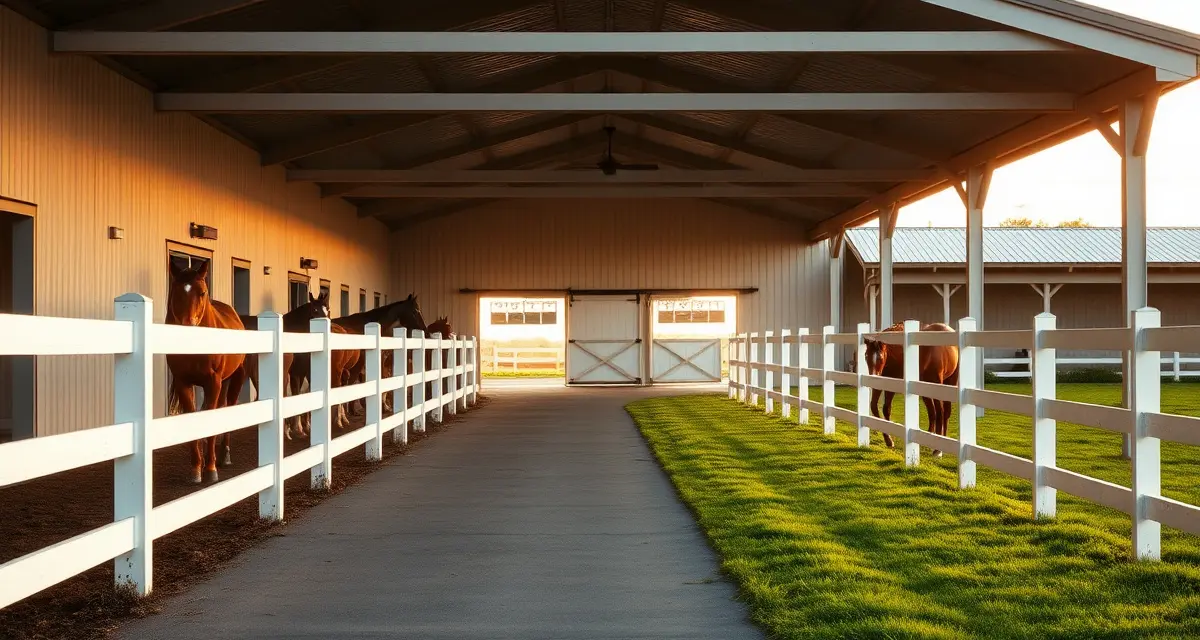
Running a Horse Boarding Business in Washington: Guide for Barn Owners
Horse boarding is a $4B+ industry across the US, and Washington State represents a meaningful slice of that market. From the Snoqualmie Valley to the Spokane plains, demand for quality boarding facilities remains strong, but running a profitable operation requires more than good pasture and clean stalls.
TL;DR
- Horse boarding in Washington carries startup costs of $150,000 to $400,000+ for a 10-stall operation before a single horse arrives
- Full care boarding rates vary by region; pricing must cover feed, bedding, labor, insurance, and maintenance with margin for vacancies
- Break-even planning should assume 70% occupancy or less; most barns take four to five months to reach stable occupancy
- Labor is the most consistently underestimated operating expense, often running 40% higher than initial projections
- A 90-day cash reserve is a practical minimum for any new boarding operation
- Digital barn management software reduces administrative labor by hours per week and improves billing accuracy from day one
This guide covers what Washington barn owners need to know about licensing, pricing, insurance, contracts, and day-to-day management.
Washington's Equine Boarding Market
Washington's mix of rural land, active equestrian culture, and proximity to major metro areas like Seattle and Spokane creates consistent demand for boarding. Competition is real, though. Barn owners who run tight operations, communicate well with horse owners, and price correctly tend to hold occupancy rates above 85%.
The barns that struggle are usually the ones managing everything manually: paper invoices, text message updates, and spreadsheet waitlists. That friction costs time and clients.
Licensing and Legal Requirements in Washington
Washington does not require a specific "horse boarding license," but several legal obligations apply to your operation.
Business registration: You must register your business with the Washington Secretary of State. An LLC structure is common for boarding barns because it separates personal liability from business liability.
Agricultural exemptions: Many boarding properties qualify for agricultural land use classification under Washington's current use taxation program, which can significantly reduce property tax. Check with your county assessor.
Water rights and manure management: Washington's Department of Ecology regulates water use and manure runoff. If your operation exceeds certain thresholds, you may need a Concentrated Animal Feeding Operation (CAFO) permit. Most small boarding barns fall below this threshold, but confirm with the DOE.
Zoning: Confirm your property is zoned for commercial equine activity. Residential agricultural zoning often permits boarding, but commercial boarding with staff and multiple clients may require a conditional use permit.
How to Price Horse Boarding in Washington
Pricing varies significantly by region and service level. Western Washington, particularly King and Snohomish counties, commands higher rates due to land costs and demand.
Typical monthly rates in Washington:
- Pasture board: $300 to $500/month
- Partial care (paddock + basic feed): $500 to $750/month
- Full care stall board: $750 to $1,400/month
- Premium stall board (arena, trails, extras): $1,200 to $1,800+/month
Set your base rate to cover fixed costs (mortgage/lease, insurance, utilities, labor) plus a 20-30% margin. Add-on services like blanketing, extra feedings, and trailering can meaningfully increase revenue per horse.
Review your rates annually. Feed and bedding costs in Washington have risen alongside national inflation trends.
Insurance and Contracts
Insurance: At minimum, carry commercial general liability insurance and care, custody, and control (CCC) coverage. CCC covers you if a horse in your care is injured or dies. Expect to pay $1,500 to $4,000 annually depending on herd size and facility type.
Boarding contracts: A signed contract is non-negotiable. Your contract should cover monthly rate and payment plans, liability waivers, feed and care standards, notice periods for departure, and your lien rights under Washington's agister's lien law (RCW 60.56), which allows you to hold a horse for unpaid board.
Have a Washington-licensed attorney review your contract before you use it.
Managing Your Washington Boarding Operation
Manual management works until it doesn't. When you're tracking 15+ horses, invoicing monthly, and fielding daily owner questions, the administrative load becomes a real problem.
Barn management software built for equine operations handles invoicing, feeding schedules, health records, and owner communication in one place. BarnBeacon is built specifically to support Washington boarding barn operations, from automated billing to real-time owner updates, so you spend less time on paperwork and more time on your horses.
For a deeper look at building a boarding business from the ground up, the horse boarding business guide covers business planning, marketing, and client retention in detail.
How many horses do I need to board to be profitable in Washington?
Break-even depends on your fixed costs and board rate. A rough rule is that you need occupancy at or above 70% of capacity to cover overhead. In Washington, full care board rates range widely by region; model your break-even before setting your rate rather than pricing against local competition and hoping the math works.
What insurance does a boarding barn need in Washington?
Most boarding operations in Washington need commercial general liability insurance, care custody and control coverage for boarded horses, and property insurance for structures and equipment. Equine-specific insurance brokers are familiar with Washington requirements and can structure coverage that matches the actual risks of a boarding operation.
FAQ
What is Running a Horse Boarding Business in Washington: Guide for Barn Owners?
This guide covers everything Washington barn owners need to launch and operate a profitable horse boarding business. It addresses startup costs, licensing requirements, pricing strategies, insurance, contracts, and daily operations. Whether you're in the Snoqualmie Valley or the Spokane plains, the guide provides region-specific insights into Washington's equine market and practical frameworks for building a sustainable boarding operation from the ground up.
How much does Running a Horse Boarding Business in Washington: Guide for Barn Owners cost?
Starting a 10-stall horse boarding operation in Washington typically requires $150,000 to $400,000 or more before your first horse arrives. Ongoing costs include feed, bedding, labor, insurance, and facility maintenance. Full care boarding rates vary by region but must cover all operating expenses plus a margin for vacancies. Plan for labor to run 40% higher than initial projections and maintain at least a 90-day cash reserve.
How does Running a Horse Boarding Business in Washington: Guide for Barn Owners work?
A Washington horse boarding business provides horses with stabling, feed, turnout, and care in exchange for monthly boarding fees. Owners choose service tiers ranging from pasture board to full care. The barn owner manages daily operations including feeding, stall cleaning, and facility upkeep, while boarding contracts define responsibilities. Digital barn management software streamlines billing, scheduling, and recordkeeping, reducing administrative hours each week.
What are the benefits of Running a Horse Boarding Business in Washington: Guide for Barn Owners?
Running a horse boarding business in Washington provides steady recurring revenue in a $4B+ national industry with strong regional demand. Benefits include building equity in agricultural land, serving a passionate equestrian community, and creating multiple revenue streams through training, lessons, or arena rentals. A well-run operation with strong occupancy and controlled labor costs can generate reliable income while supporting a lifestyle aligned with equine care.
Who needs Running a Horse Boarding Business in Washington: Guide for Barn Owners?
This guide is essential for anyone planning to open a horse boarding facility in Washington, as well as existing barn owners looking to improve profitability or operations. It's particularly valuable for entrepreneurs underestimating labor costs, owners struggling with pricing strategy, and anyone navigating Washington's licensing and insurance requirements for the first time. Both rural and suburban operators will find region-specific guidance relevant to their market.
How long does Running a Horse Boarding Business in Washington: Guide for Barn Owners take?
Reaching stable, profitable occupancy in a Washington boarding operation typically takes four to five months after opening. Break-even planning should assume 70% occupancy or less during this ramp-up period. Full operational maturity, where systems, staff, and client relationships are well-established, generally takes one to two years. Planning your cash runway around this timeline, with a minimum 90-day reserve, is critical to surviving the early months.
What should I look for when choosing Running a Horse Boarding Business in Washington: Guide for Barn Owners?
When building or evaluating a Washington boarding operation, prioritize realistic financial modeling over optimistic projections. Look for facilities with sustainable pricing that covers all costs with vacancy margin built in. Strong contracts, proper liability insurance, and Washington-compliant licensing protect against common legal risks. Evaluate whether labor costs are honestly projected. Digital management tools signal operational maturity. Location relative to horse-owning demographics in your target region also significantly impacts long-term occupancy.
Is Running a Horse Boarding Business in Washington: Guide for Barn Owners worth it?
For the right operator, a Washington horse boarding business is worth pursuing. Demand is consistent, land can appreciate, and recurring monthly revenue provides financial stability. However, success requires honest startup budgeting, disciplined labor management, and patience through the initial occupancy ramp. Operators who invest in proper contracts, insurance, and management systems from day one significantly outperform those who don't. With realistic planning and strong execution, the business can be both financially viable and personally rewarding.
Sources
- American Association of Equine Practitioners (AAEP)
- American Competitive Trail Horse Association (ACTHA)
- American Horse Council
- Kentucky Equine Research
- UC Davis Center for Equine Health
Get Started with BarnBeacon
Running a profitable boarding barn in Washington requires more than good horsemanship. The administrative side, billing, client communication, health records, and staff coordination, determines whether your margins hold as you scale. BarnBeacon gives Washington barn owners the operational infrastructure to run the business side as professionally as the care side. Start a free trial with your first month's data and see where the gaps are.