Equestrian Operations in Maine
Maine's equine industry operates in a beautiful but demanding environment. The state's short riding season, long winters, and relatively sparse population present real challenges for equestrian facilities, but Maine also has a dedicated horse community, spectacular terrain for trail riding, and a market for quality facilities that is not oversupplied.
Climate and Seasonal Realities
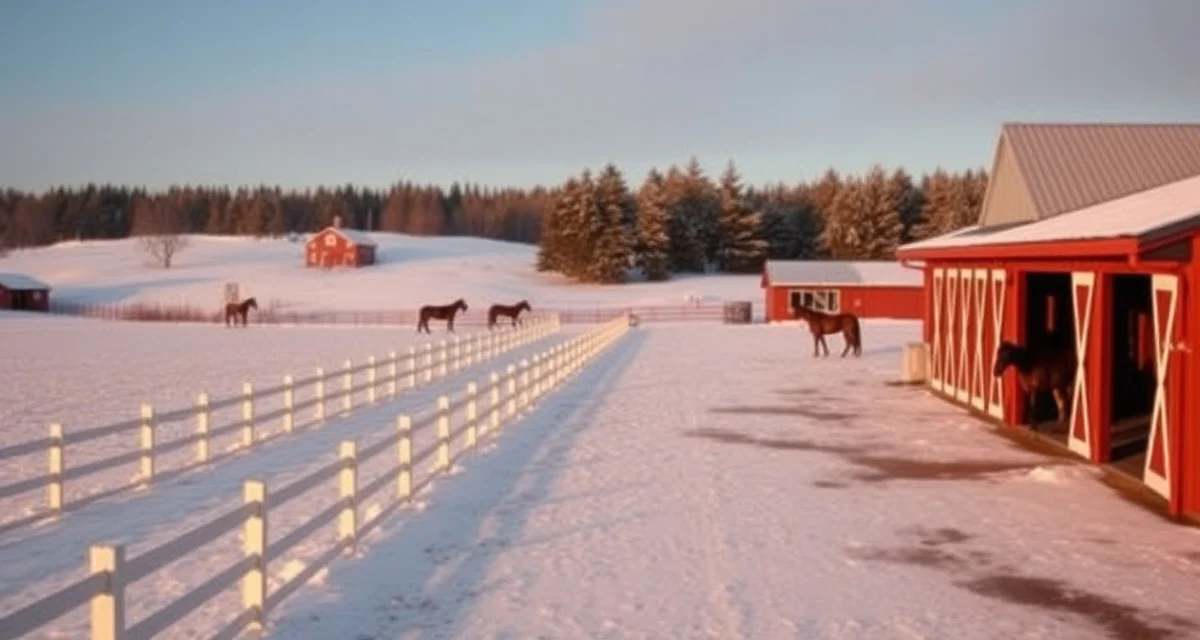
Winter in Maine is serious and extended. From November through April, outdoor riding is limited, and snowfall accumulations across the state require consistent management. Facilities without indoor arenas face a four or five month period of essentially no lesson or training income from outdoor work. Indoor arenas are essential for year-round operations in Maine, which is a significant capital investment but necessary for sustainable business.
Mud season is a Maine institution. The period between late March and late May, when the ground thaws unevenly and wet conditions combine with frost heaving, can make paddocks and paths genuinely hazardous. Managing this period requires sacrifice paddocks, good drainage, gravel surfaces in high-traffic areas, and patience with pasture turnout until ground conditions allow it.
Summer in Maine is the opposite of winter: beautiful, with mild temperatures and low humidity that are nearly ideal for horses. The riding season from June through October is the core of outdoor programming, lesson demand, trail riding, and show activity. Facilities in Maine often run at their highest client activity during these months.
Black flies in late spring and deer flies through summer are a real management consideration. Proper fly protection and timing outdoor work to avoid peak fly activity are standard practices for Maine horse owners.
Trail Riding and Outdoor Recreation
Maine's forests and landscapes are exceptional for trail riding. Facilities with access to state land, privately maintained trail networks, or the Appalachian Trail corridor can offer trail riding experiences that are genuinely rare. Some Maine equine facilities have built their entire business model around trail access, hosting trail riders from throughout the Northeast who come to Maine specifically for the terrain.
Trail riding facilities in Maine often need to accommodate visiting horses overnight or for multi-day stays. This requires organized hosting procedures, clear health requirements for visiting horses (current Coggins), and good communication about what services are included.
Boarding and Lesson Market
Maine's boarding and lesson market is concentrated around Portland, Bangor, and the communities of the mid-coast. The southern Maine population density is highest and the demand for quality facilities most consistent. Facilities within commuting distance of Portland can operate year-round with a diverse client base.
Rural Maine facilities serve smaller but dedicated local communities. Western performance, Morgan horses, Standardbreds, and sport horse disciplines all have representation in Maine's equestrian community.
Regulatory Environment
Maine does not have comprehensive equine facility licensing requirements. The Maine Department of Agriculture, Conservation and Forestry oversees equine health regulations, including requirements for health certificates and Coggins tests for interstate movement. Maine participates in the New England regional equine health network.
Agricultural zoning is generally permissive in rural Maine, though development near coastal areas or in towns where land-use regulations have become more complex requires more attention.
Hay and Feed Supply
Hay availability in Maine is more constrained than in agricultural states with large hay-producing operations. Maine-grown hay is available but the supply is limited and quality varies. Many Maine facilities supplement with imported hay from Quebec, the Midwest, or New York. Planning hay inventory management carefully and securing hay supply before winter is critical. Running out of hay in a Maine January is a crisis, not an inconvenience.
Business Management
The seasonal nature of Maine's equine market means cash flow management matters more than in states with year-round outdoor riding seasons. Building reserves during the busy summer months to carry fixed costs through winter is basic financial planning for Maine barn managers.
BarnBeacon helps Maine barn managers track expenses, manage billing, and maintain health and care records throughout the year, including during the slow winter months when thorough record-keeping helps prepare for the busy season ahead.
For more on managing seasonal operations and keeping financials organized, see our guides on invoice review checklists and mobile barn management.
FAQ
What is Equestrian Operations in Maine?
Equestrian operations in Maine encompass the full range of horse-related businesses and facilities across the state, including boarding barns, lesson programs, trail riding outfitters, breeding operations, and training facilities. Maine's equine industry is shaped by its demanding climate, scenic landscape, and tight-knit horse community. Facilities must navigate long winters, mud season, and a compressed riding season while serving a dedicated local market with high standards for animal care and facility quality.
How much does Equestrian Operations in Maine cost?
Costs vary widely depending on the type of operation. Boarding facilities in Maine typically charge $400–$900 per month per horse, depending on stall size, amenities, and location. Lesson programs range from $50–$120 per session. Starting or acquiring an equestrian facility involves significant capital investment, particularly for indoor arenas, which can cost $150,000–$500,000 or more. Operating costs are elevated by Maine's heating demands, longer hay storage requirements, and the need for year-round staffing despite seasonal revenue fluctuations.
How does Equestrian Operations in Maine work?
Equestrian operations in Maine function by combining horse care services with revenue-generating programs like lessons, training, boarding, and events. Successful facilities plan around the seasonal calendar, maximizing summer and fall revenue while maintaining cash flow through winter with indoor arena programming. Strong operations build systems for winter horse care, mud season paddock management, pasture rotation, and forage storage. Many also diversify income through clinics, trail access fees, or agritourism to offset the compressed outdoor riding season.
What are the benefits of Equestrian Operations in Maine?
Maine offers genuine advantages for equestrian operations: mild summers with low humidity ideal for horses and riders, spectacular trail riding terrain, a passionate local horse community, and relatively lower land costs compared to southern New England. The state's rural character means facilities can maintain larger acreage. Maine's horse owners tend to be highly committed, creating a loyal client base. The market is not oversaturated, so a well-run facility with quality care and programming can establish a strong reputation relatively quickly.
Who needs Equestrian Operations in Maine?
Anyone involved in keeping, training, competing with, or providing services for horses in Maine operates within the state's equestrian landscape. This includes hobby horse owners, competitive riders, trail enthusiasts, professional trainers, boarding operators, veterinarians, farriers, and equine feed and supply businesses. New residents with horses relocating from other states also need to understand Maine-specific challenges like extended winter care requirements, mud season management, and the logistics of sourcing quality hay and forage in a northern climate.
How long does Equestrian Operations in Maine take?
Running an equestrian operation in Maine is a year-round commitment, though the character of the work shifts dramatically by season. Summer and early fall represent peak riding and revenue months, often intense with lessons, shows, and trail traffic. Winter demands consistent daily horse care, heating management, and indoor arena programming. Mud season, roughly late March through May, requires active paddock and drainage management. Most facilities operate on a seven-day-a-week schedule with no true off-season, only seasons of different priorities.
What should I look for when choosing Equestrian Operations in Maine?
When evaluating a Maine equestrian facility or starting one, prioritize indoor arena access for year-round viability, drainage infrastructure to handle mud season, and adequate hay storage for a six-month winter. Look for well-maintained stalls with proper ventilation, sacrifice paddocks to protect pastures during wet periods, and reliable heating systems. For boarding or lesson clients, assess instructor credentials, client-to-horse ratios, and emergency veterinary access. Location relative to population centers and trail systems also significantly affects long-term business sustainability.
Is Equestrian Operations in Maine worth it?
For the right person with realistic expectations, equestrian operations in Maine can be deeply rewarding and financially viable. The key is honest planning around the compressed outdoor season, significant infrastructure investment, and the physical demands of northern horse keeping. Facilities with indoor arenas, diversified revenue streams, and strong community ties tend to thrive. Maine's horse owners are loyal and value quality care. If you approach it as a lifestyle business with sound financial fundamentals, the combination of community, landscape, and demand makes Maine a genuinely viable place to operate.