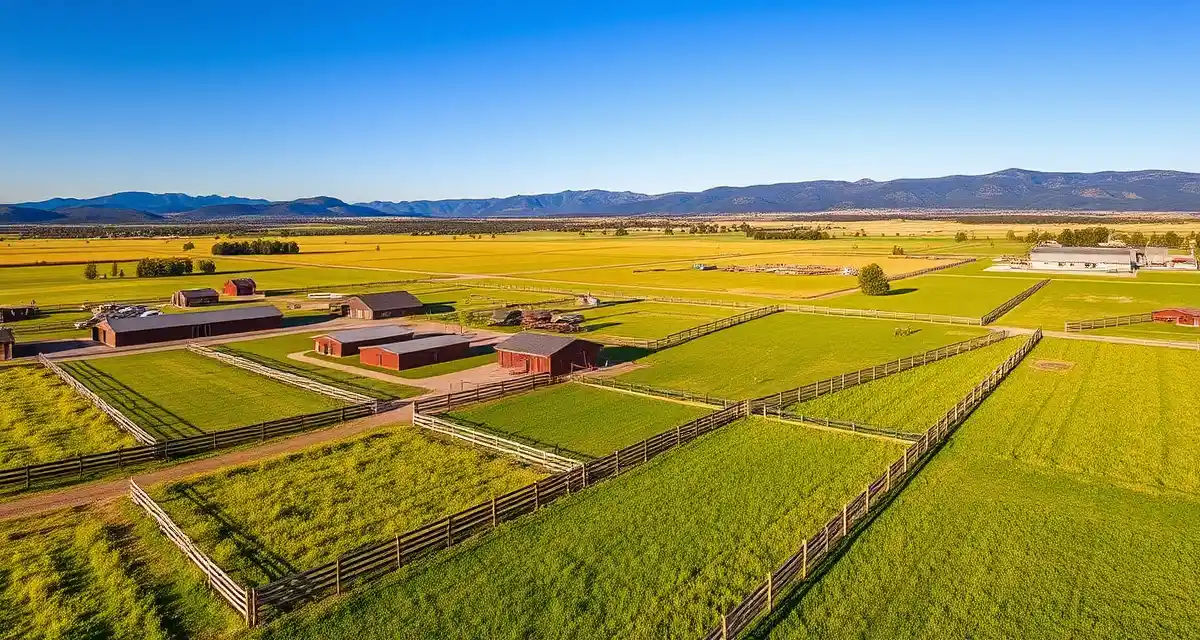
Equestrian Operations in Montana
Montana's horse culture is deeply embedded in the state's identity. Working ranch horses, rodeo, western performance, and trail riding in spectacular terrain define the equestrian landscape across most of the state. Boarding facilities in the traditional sense are concentrated near the population centers of Billings, Missoula, Bozeman, and Great Falls, while ranch-based horse operations are distributed across the vast rural landscape.
The Ranch Horse Culture
Montana horse operations are predominantly tied to working ranch culture. Horses are tools as much as they are companions, and the horsemanship tradition in Montana is practical, demanding, and skilled. Ranch horses need to handle cattle, navigate varied terrain from river bottoms to high mountain meadows, and work reliably in all weather conditions.
Facilities that serve the ranch horse community operate differently from suburban boarding barns. Turnout in large pastures is the norm rather than small paddocks. Horses are expected to be self-sufficient and sound across varied terrain. Veterinary care is practical and focused on maintaining working capacity. The management culture is less about amenities and more about solid horsemanship and practical horse care.
Rodeo is a major part of Montana horse culture. The Montana High School Rodeo Association and college rodeo programs feed into a strong regional rodeo community. Facilities serving rodeo horses, including barrel racers, ropers, and roughstock handlers, serve a market with its own distinct priorities.
The Resort and Recreation Market
The growth of resort communities in areas like Bozeman, Whitefish, and the Flathead Valley has created a secondary equestrian market that is less traditional in character. Wealthy second-home owners, transplants from larger coastal cities, and the recreation economy have brought demand for more amenity-focused equestrian facilities alongside the traditional ranch horse culture.
Trail riding operations in areas adjacent to Glacier National Park, Yellowstone, and various wilderness areas serve both local riders and tourists. The scenery alone justifies the trip for many riders, and some Montana facilities have built significant businesses on guided trail riding for visiting guests.
Climate and Facility Management
Montana winters are genuinely severe. Temperatures in eastern Montana can fall below minus 30 degrees Fahrenheit, and wind makes effective temperatures even more extreme. Western Montana, moderated by Pacific weather systems, is less extreme but still demanding. The mountains experience heavy snowfall, and facilities in mountain valleys deal with snow accumulation that requires significant management.
Water management in winter is a primary focus. Heated water systems, daily monitoring of water intake, and keeping horses in good body condition going into winter are all essential. Horses that are poorly conditioned entering winter in Montana are at real risk.
Summer in Montana is short but excellent. The riding season in the mountains is compressed into a few months, which means summer scheduling is intense at facilities that operate year-round programs.
Fire risk is a major concern in many parts of Montana, particularly in years of drought. Defensible space around facilities, emergency plans for evacuating horses, and communication with local fire authorities are important elements of facility management in fire-prone areas.
Hay Supply and Pasture Management
Montana produces significant quantities of alfalfa and grass hay, and hay costs are generally lower than in states that must import forage. However, drought years can create hay shortages and price spikes. Securing hay supply early, ideally with contracts that guarantee delivery before winter, is standard practice for Montana barn managers who have experienced shortages.
Pasture management is relevant for facilities with access to grazing land. Montana's semi-arid climate means that overgrazing can permanently damage rangeland. Rotational grazing, rest periods, and carrying capacity management are important for facilities that rely on grazing to reduce hay costs.
Management Systems in Montana
The distances and distributed nature of Montana equine operations make mobile-accessible management tools especially valuable. BarnBeacon allows Montana barn managers to track health records, manage billing, and document daily care from anywhere, which is particularly useful for facilities spread across large properties or managing horses at multiple locations.
For more on managing operations in demanding environments, see our guides on mobile barn management and large barn operations.
FAQ
What is Equestrian Operations in Montana?
Equestrian operations in Montana encompass the full range of horse-related facilities and activities across the state, including working ranch horse programs, boarding facilities near urban centers like Billings and Bozeman, rodeo training operations, trail riding outfitters, and western performance programs. Unlike traditional boarding barns, Montana equestrian operations are deeply tied to ranch culture, emphasizing practical horsemanship, large pasture turnout, and horses capable of working in varied terrain and demanding weather conditions.
How much does Equestrian Operations in Montana cost?
Costs vary widely depending on the type of operation. Ranch-based pasture board typically runs $150–$350 per month, while full-service boarding near population centers like Missoula or Bozeman can range from $400–$800 monthly. Working ranch horse programs, rodeo training, and outfitter services are priced by the service. Operating a facility involves land, fencing, hay, and veterinary costs that reflect Montana's rural economy and harsh winters.
How does Equestrian Operations in Montana work?
Montana equestrian operations function by matching horses to the demands of the landscape and culture. Ranch operations integrate horses into daily cattle work and land management. Boarding facilities near cities provide stabling, feed, and turnout for recreational and competition horses. Outfitters run guided trail rides through public lands. Rodeo programs train horses and riders for competition. Management prioritizes large turnout, practical veterinary care, and weather-resilient horse keeping over amenity-focused approaches.
What are the benefits of Equestrian Operations in Montana?
Montana equestrian operations offer access to some of the most spectacular riding terrain in North America, including national forests, wilderness areas, and open rangeland. Horses develop exceptional fitness, sure-footedness, and work ethic in this environment. Participants gain exposure to traditional horsemanship skills rooted in real ranch work. The culture fosters self-reliance, practical horse care knowledge, and a deep connection between horse and rider that is difficult to replicate in more suburban equestrian settings.
Who needs Equestrian Operations in Montana?
Montana equestrian operations serve working ranchers who depend on horses for cattle management, recreational riders seeking trail and backcountry access, competitive rodeo athletes at youth and adult levels, western performance riders, and outfitters guiding tourists through Montana's public lands. Transplants and newcomers looking to immerse in authentic western horsemanship also seek out these operations, as do horse owners wanting large pasture environments rather than small paddock boarding common in other states.
How long does Equestrian Operations in Montana take?
The timeline depends on your goals. Boarding arrangements can be established within days of finding an appropriate facility. Developing a ranch-ready working horse typically takes two to four years of consistent training and conditioning. Rodeo competitors spend years refining event-specific skills. Seasonal considerations matter significantly—Montana winters are harsh, and many trail riding and outfitter operations run from late spring through early fall, roughly May through October, based on terrain access and weather.
What should I look for when choosing Equestrian Operations in Montana?
Look for facilities with adequate hay storage and reliable winter feed supply, as Montana winters are long and severe. Evaluate pasture quality, fencing integrity, and water access year-round. Assess the operator's horsemanship background and whether it aligns with your horses' needs. Proximity to veterinary and farrier services matters in rural areas. For boarding, confirm turnout space and herd management practices. For training programs, observe how horses are handled daily and ask about their approach to conditioning for varied terrain.
Is Equestrian Operations in Montana worth it?
For anyone serious about western horsemanship, ranch work, or backcountry riding, Montana equestrian operations offer genuine value that is hard to find elsewhere. The combination of authentic ranch culture, access to vast public lands, and a horsemanship tradition built on real utility produces capable horses and skilled riders. Costs are generally reasonable compared to coastal markets. If you want horses that are truly functional, fit, and exposed to meaningful work in spectacular country, Montana is a compelling choice.