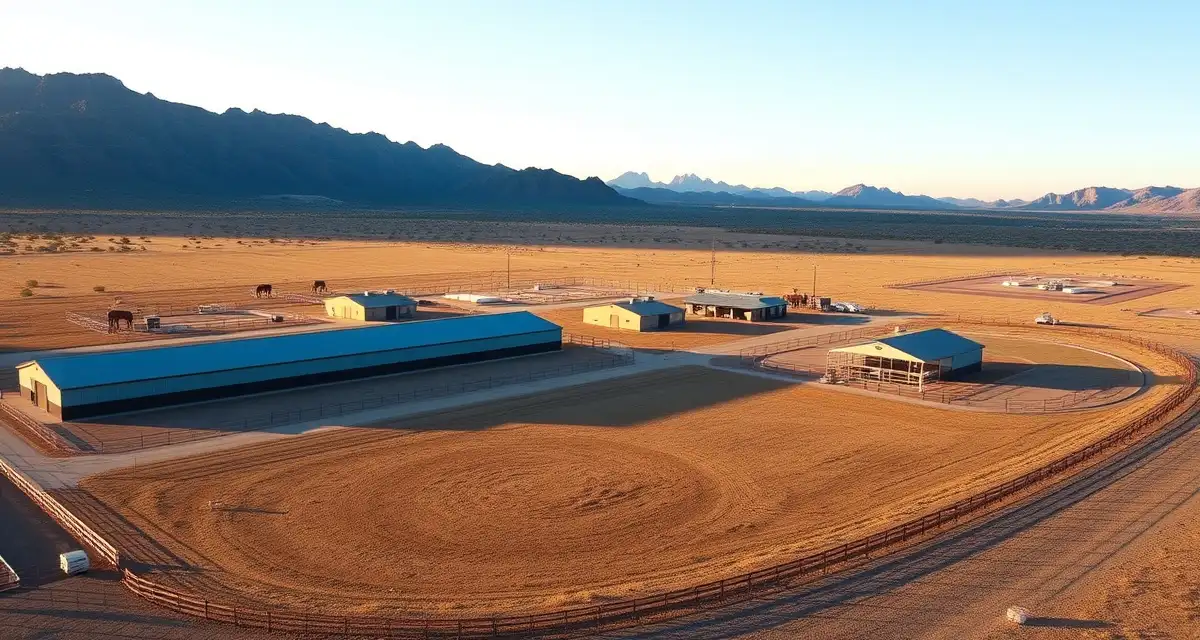
Equestrian Operations in Nevada
Nevada's equestrian landscape is shaped by its dramatic geography and climate. From the Las Vegas Valley to the high desert ranching country of Elko County, from the Sierra Nevada foothills near Reno to the remote basin-and-range terrain of the rural interior, the state offers diverse environments for equine operations. The horse culture ranges from western working ranch traditions in rural Nevada to competitive show programs in the population centers, with trail riding as a connecting thread across the whole state.
Las Vegas Area Facilities
The Las Vegas metro has a surprisingly active equestrian community given its desert setting. Boulder City, Henderson, and communities to the northwest of the city near the Red Rock Canyon area have boarding facilities that serve a client base willing to pay for good horse care in a challenging climate.
Summer management in Las Vegas is the defining operational challenge. Temperatures regularly exceed 110 degrees in July and August, and keeping horses healthy and comfortable in extreme heat requires serious infrastructure and management discipline. Shade, ventilation, water availability, misting systems in stalls and turnout areas, and careful management of work schedules are all essential. Horses new to Las Vegas summers need a significant acclimatization period.
Winter in the Las Vegas Valley is mild and is the prime riding season. Many facilities see their highest lesson and training activity from October through March when the weather is genuinely pleasant.
Northern Nevada and the Reno Area
Northern Nevada, centered on Reno and Sparks, has a larger and more traditional equestrian community. The climate here is high desert: hot summers but cooler than Las Vegas, cold winters that can include snow at higher elevations, and generally dry conditions year-round.
The Reno area has strong western performance and rodeo traditions, with connections to the National Finals Rodeo running through the regional equestrian community. Hunter/jumper and dressage programs are present but smaller relative to western disciplines.
Northern Nevada facilities benefit from proximity to California's equestrian community and occasionally attract clients who want more affordable land and operating costs than the Bay Area or Southern California markets.
Rural Nevada
Rural Nevada's equine community is primarily ranch-based. Working horses on cattle operations in Elko, Humboldt, and Lander counties represent the deepest horse culture in the state: practical, demanding, rooted in generations of stockmanship. Boarding facilities in the commercial sense are largely absent from the rural interior; horse keeping there is integrated into ranch operations rather than separated into a distinct boarding business.
Some rural Nevada operations focus on trail riding access to public land, including Bureau of Land Management territory that covers much of the state. Nevada has more BLM land per square mile than almost any other state, and the riding opportunities on this land are extraordinary.
Wild Horse Management Context
Nevada has the largest wild horse population in the country, managed by the BLM under the Wild Free-Roaming Horses and Burros Act. While wild horses are separate from the managed horse population at equestrian facilities, the BLM's adoption and purchasing programs make Nevada a source of horses for training operations that specialize in working with mustangs. Some Nevada trainers and facilities have built businesses around mustang gentling and adoption.
Water Management
Water is the most precious resource in Nevada. Well water quality, water rights, and water system reliability are critical concerns for equine facilities across the state. Before establishing a facility or significantly expanding capacity, understanding your water rights and the reliability of your water source is essential. Nevada water law is complex and administered by the Nevada Division of Water Resources.
Horses in the Nevada desert drink more water than horses in cooler, more humid climates. Monitor water consumption closely, keep water systems clean and functional, and have backup plans for water delivery if primary systems fail during summer.
Health Requirements
Nevada requires a current negative Coggins test for horses at public events and for horses entering the state from other jurisdictions. The Nevada Department of Agriculture oversees equine health regulations. The extreme heat of southern Nevada creates specific health monitoring requirements, and barn managers should be familiar with the signs of heat stress and dehydration in horses.
Hay and Feed Supply
Quality hay in Nevada is typically hauled in from California, Oregon, or Idaho. Local hay availability and price vary significantly by season, and drought years can create significant supply shortages and price increases. Many Nevada facilities stockpile hay during availability windows to manage supply risk. Building relationships with reliable hay suppliers and securing contracts ahead of summer is standard practice for experienced Nevada barn managers.
Management Tools for Nevada Facilities
BarnBeacon helps Nevada barn managers track daily care, manage health records in a demanding climate environment, and keep billing organized regardless of location. The mobile-accessible tools are particularly useful for facilities spread across large desert properties where being tied to an office is not practical.
For more on managing facilities in demanding operating conditions, see our guides on mobile barn management and large barn operations.
FAQ
What is Equestrian Operations in Nevada?
Equestrian operations in Nevada encompass the full range of horse-keeping and management activities across the state's diverse regions—from desert boarding facilities in the Las Vegas Valley to high-desert ranching in Elko County and Sierra Nevada foothills properties near Reno. These operations include boarding, breeding, training, trail riding, and competitive show programs, each adapted to Nevada's unique geography, extreme climate variations, and western horse culture traditions.
How much does Equestrian Operations in Nevada cost?
Costs vary significantly by region and service level. Las Vegas-area boarding typically runs $400–$900/month for full care, reflecting the premium infrastructure required for desert heat management. Rural northern Nevada facilities may offer lower rates, often $250–$600/month. Training programs, competition prep, and specialty services add cost. Expect higher operational expenses across the board due to hay importation, water infrastructure, shade systems, and misting equipment required by Nevada's climate.
How does Equestrian Operations in Nevada work?
Nevada equestrian operations adapt standard horse care practices to extreme environmental conditions. In Las Vegas, this means misting systems, covered turnout, and restricted work hours during summer heat. Northern operations manage cold winters and spring mud. Facilities coordinate feed delivery (hay is largely imported), water system maintenance, and climate-appropriate turnout schedules. Most operations segment the day around temperature extremes—early morning and evening work—with midday rest during summer months.
What are the benefits of Equestrian Operations in Nevada?
Nevada's equestrian infrastructure offers unique advantages: year-round riding in southern regions, stunning trail access to Red Rock Canyon and high desert landscapes, a strong western working ranch tradition, and growing competitive show circuits near population centers. The dry climate minimizes many moisture-related health issues like thrush and rain rot. Facilities built for Nevada conditions typically feature excellent shade, ventilation, and water systems that prioritize horse comfort and welfare.
Who needs Equestrian Operations in Nevada?
Horse owners across Nevada benefit from understanding regional equestrian operations—whether you're boarding in Henderson, running a working ranch in Elko County, or training competitively near Reno. Newcomers relocating horses to Nevada need guidance on acclimatization, particularly for Las Vegas summers. Trail riders, competitive riders, breeders, and western ranch operators all engage with Nevada's equestrian network, which spans urban fringe facilities to remote basin-and-range ranches.
How long does Equestrian Operations in Nevada take?
Acclimating a horse to Nevada—especially the Las Vegas Valley—takes 4–8 weeks minimum for summer heat adjustment. Horses moved from cooler climates need gradual exposure to extreme temperatures before resuming full training or work schedules. Facility setup timelines for new operations range from months to years depending on infrastructure needs. Ongoing seasonal management cycles repeat annually, with summer preparation beginning in April and winter readiness protocols starting in October for northern Nevada.
What should I look for when choosing Equestrian Operations in Nevada?
Look for facilities with proven summer heat management infrastructure: covered stalls, mechanical ventilation, misting systems, and shaded turnout. Water availability and system redundancy are critical—horses in Nevada heat drink significantly more than average. Evaluate hay quality and sourcing consistency, since Nevada imports most of its feed. For northern locations, assess winter shelter and mud management. Ask about staff experience with Nevada-specific conditions and the facility's emergency protocols for extreme weather events.
Is Equestrian Operations in Nevada worth it?
For horse owners committed to living in Nevada, properly managed equestrian operations are absolutely worthwhile. The state's dry climate, expansive trail systems, and year-round riding opportunities in the south offer genuine lifestyle value. Investment in proper heat management infrastructure pays dividends in horse health and performance. The learning curve is real—Nevada conditions demand more active management than many other states—but experienced facilities and a knowledgeable regional horse community make successful long-term equine ownership very achievable.