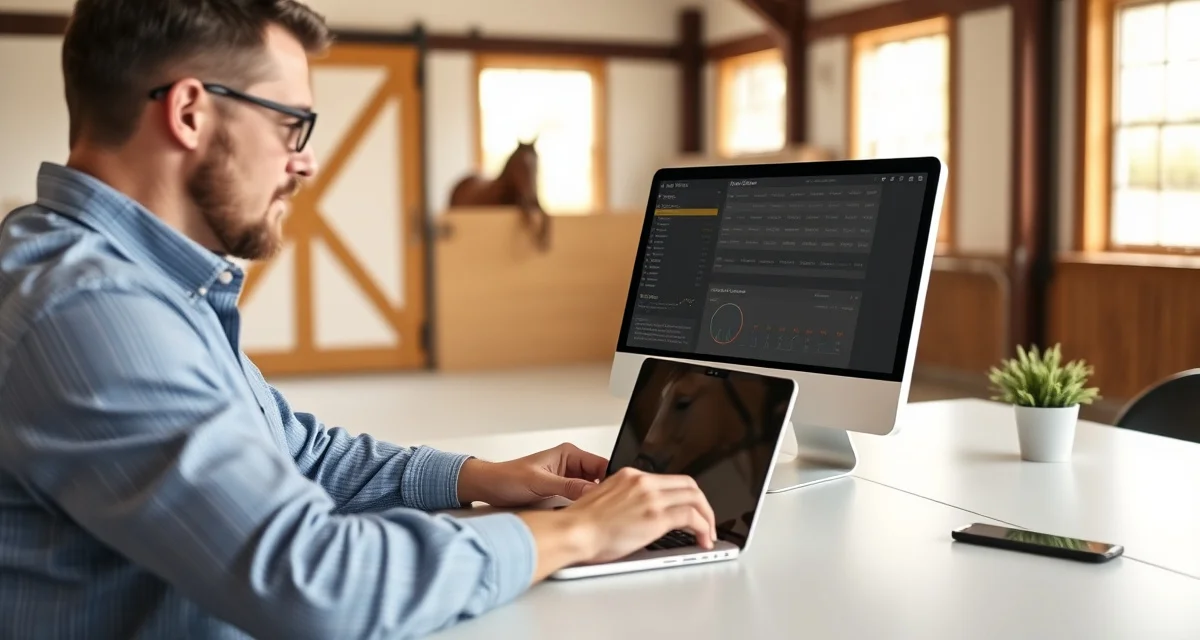
Reining Barn Owner Communication: Billing and Updates
Reining barn owner communication has a different rhythm than most other disciplines. Owners are tracking maneuver scores, show schedules, and NRHA points alongside standard board and training invoices. Generic barn software wasn't built for that.
TL;DR
- Billing errors cost boarding barns an average of 48 hours per year in missed or disputed charges
- Variable charges logged at the point of service eliminate the end-of-month reconstruction that causes most billing errors
- Itemized invoices with supporting notes attached reduce client disputes more than any other single billing change
- Requiring written client approval for pass-through expenses above a set threshold prevents unauthorized charge disputes
- A monthly pre-send audit comparing services logged against services billed is the single best error-prevention step
- ACH or card-on-file authorization for recurring board charges reduces collection time and eliminates manual payment chasing
Reining disciplines have unique owner communication patterns that generic platforms consistently fail to address. This guide walks through exactly how to structure billing communication and performance updates for reining horse owners, step by step.
Why Reining Barn Communication Breaks Down
Most barn management tools treat all disciplines the same. They send a monthly invoice and call it done. Reining owners want more context: which horse worked on spins this week, what the show entry fees cover, and whether their horse is on track for the futurity.
When that context is missing, owners call. They email. They show up unannounced. Proactive, discipline-specific communication prevents that entirely.
Step 1: Set Up Your Owner Communication Framework
Define What Reining Owners Receive and When
Before sending a single message, map out your communication calendar. Reining owners typically expect three categories of updates: billing, training progress, and show-related reporting.
Billing should go out on a fixed date every month. Training updates work best weekly or bi-weekly. Show reports should go out within 48 hours of competition.
Separate Billing From Training Updates
Mixing invoices with training notes creates confusion. Owners skim for the dollar amount and miss the performance detail. Keep billing communication in one channel and training updates in another.
BarnBeacon's owner communication portal lets you configure separate notification types so billing emails never compete with training reports in the same inbox thread.
Step 2: Build Your Monthly Billing Template
Include Line Items That Reflect Reining Costs
A reining barn invoice looks different from a hunter/jumper barn invoice. Your template should include line items specific to the discipline: NRHA nomination fees, futurity entry deposits, pattern coaching sessions, and show hauling.
Owners who see vague line items like "training" or "extras" will question every charge. Specificity builds trust and reduces disputes.
Sample Reining Invoice Line Items
- Monthly board (stall, feed, turnout)
- Training rides (number of rides x daily rate)
- Pattern work sessions (specify: spins, stops, circles)
- Show entry fees (show name, date, class)
- NRHA or affiliate nomination/entry fees
- Hauling (per mile or flat rate, destination)
- Farrier and vet (itemized, not bundled)
- Supplements (brand and quantity)
Add a Plain-Language Summary
After the itemized list, include two to three sentences summarizing the month. "This invoice covers 22 training rides, one NRHA affiliate show in Tulsa, and the annual futurity nomination deposit. Total due is $X by the 15th."
Owners appreciate the summary. It reduces the back-and-forth that eats up your time.
Step 3: Communicate Show Results and Performance Updates
Send a Post-Show Report Within 48 Hours
Reining owners care deeply about scores. A 72.5 versus a 74 means something specific to them. Your post-show report should include the horse's score, the judge's name, placing in class, and any notable maneuver scores if available.
Don't wait until the monthly invoice to mention show results. That gap creates anxiety and speculation.
Structure Your Weekly Training Update
A weekly training note doesn't need to be long. Three to five sentences covering what the horse worked on, any issues observed, and what's planned for next week is enough.
For reining horses, be specific about maneuver work. "Worked on lead departures and circle speed differentiation Monday and Wednesday. Left spin is improving. Planning to add stops Thursday" tells an owner far more than "had a good week."
Use Photos and Short Video Clips
Reining owners respond well to visual updates. A 30-second clip of a stop or a spin set gives owners confidence their horse is progressing. It also reduces the number of "how's my horse doing?" calls you field every week.
BarnBeacon's owner portal supports media attachments directly in update threads, so video clips stay organized by horse rather than buried in text message chains.
Step 4: Handle Billing Questions Before They Become Disputes
Create a Standard Response for Common Questions
Most billing questions in reining barns fall into a few categories: show entry fee confusion, hauling charges, and nomination fee timing. Write a short FAQ document and share it with new owners at sign-on.
When a question comes in, you can reference the document and answer in under two minutes. Without it, every question becomes a 20-minute phone call.
Set Clear Payment Terms in Writing
Your boarding agreement should specify payment due dates, late fees, and how show-related expenses are handled. Reining show schedules can compress billing cycles, especially during futurity season.
If you're entering a horse in a show that requires a deposit 60 days out, owners need to know that charge is coming. Send a heads-up two weeks before the invoice drops.
Step 5: Use Software Built for Reining Barn Workflows
Stop Patching Together Spreadsheets and Text Messages
Many reining barn managers still track owner communication across three or four tools: a spreadsheet for billing, text messages for updates, email for show reports, and a separate app for photos. That system breaks under volume.
A purpose-built platform keeps everything in one place and creates a record you can reference when questions come up. For a look at how this fits into broader reining barn operations, the workflow integration matters as much as the communication features themselves.
What to Look for in an Owner Portal
Not all owner portals are built the same. Some tools offer generic messaging with no billing integration. Others have invoicing but no media support or show reporting fields.
For reining barns specifically, you need a portal that handles discipline-specific line items, supports media attachments, sends automated billing reminders, and lets owners view their horse's show history in one place.
BarnBeacon was designed with these workflows in mind. The owner portal adapts to reining barn reporting needs rather than forcing you to fit a generic template.
Common Mistakes in Reining Barn Owner Communication
Bundling all charges into one line item. Owners will question it every time. Break it out.
Sending show results late. If an owner finds out their horse's score from someone else at the barn before you send a report, you've lost credibility.
Using personal text messages as your primary update channel. It's not searchable, not organized by horse, and creates liability if a dispute arises.
Forgetting to communicate upcoming costs. Futurity season means large, irregular charges. Owners who are surprised by a $1,500 nomination fee will push back even if it's legitimate.
Sending the same generic update to every owner. A futurity prospect owner needs different information than an owner with a weekend trail horse boarded at your facility.
FAQ
How do I communicate with reining horse owners?
Use a structured system that separates billing from training updates and show reports. Send invoices on a fixed monthly schedule with itemized reining-specific line items. Send training updates weekly and post-show reports within 48 hours of competition. A dedicated owner portal keeps all communication organized by horse and reduces the volume of inbound calls and texts you handle.
What do reining owners want to know about their horses?
Reining owners want maneuver-specific training updates, show scores and placings, upcoming entry fees and nomination deadlines, and any health or soundness observations. They're invested in competitive outcomes, so vague updates like "doing well" don't satisfy them. Specific notes on spins, stops, circles, and lead work give owners the detail they're paying for.
What owner portal features matter for reining barns?
Look for discipline-specific billing line items, media attachment support for training videos and photos, automated invoice reminders, show result logging, and a searchable communication history by horse. Generic portals often lack the show reporting and media features that reining barn owners expect. BarnBeacon's owner portal is built to handle these specific needs without requiring workarounds.
How does BarnBeacon compare to spreadsheets for barn management?
Spreadsheets require manual updates, lack real-time notifications, and create version control problems when multiple staff members are working from different files. BarnBeacon centralizes records, pushes alerts automatically based on logged events, and connects care records to billing and owner communication in one system. Most facilities report saving several hours per week after switching from spreadsheets.
What is the setup process like for BarnBeacon?
Most facilities complete the initial setup in under a week. Horse profiles, service templates, and billing configurations can be imported from existing records or entered directly. BarnBeacon's US-based support team is available to assist with setup, and most managers are running their first billing cycle through the platform within days of starting.
Can BarnBeacon support a barn with multiple staff members?
Yes. BarnBeacon supports multiple user accounts with role-based access, so barn managers, barn staff, and owners each see the information relevant to their role. Task assignments, completion logs, and communication history are all attached to the barn's account rather than to individual staff phones or email addresses.
What is Reining Barn Owner Communication: Billing and Updates?
Reining Barn Owner Communication: Billing and Updates is a guide for reining barn managers covering how to structure billing workflows and performance updates specifically for reining discipline owners. It addresses common pain points like billing errors, disputed pass-through charges, and end-of-month reconstruction, while also covering itemized invoicing, client approval thresholds, pre-send audits, and ACH payment authorization to streamline collections and reduce miscommunication with horse owners.
How much does Reining Barn Owner Communication: Billing and Updates cost?
BarnBeacon offers barn management and owner communication tools designed for equine facilities, including reining barns. Pricing varies based on barn size and feature needs. To get current plan details and see which tier covers billing automation, owner messaging, and performance update tools relevant to reining operations, visit the BarnBeacon pricing page or contact their team directly for a quote tailored to your barn.
Sources
- American Association of Equine Practitioners (AAEP)
- National Reining Horse Association (NRHA)
- United States Equestrian Federation (USEF)
- American Competitive Trail Horse Association (ACTHA)
- American Horse Council
Get Started with BarnBeacon
Every hour spent chasing billing errors or manually compiling invoices is an hour away from your horses and your clients. BarnBeacon gives reining facilities the billing infrastructure to close each month accurately, with itemized invoices sent automatically and a complete audit trail built into daily workflows. Start a free trial and see how much time you reclaim in your first billing cycle.