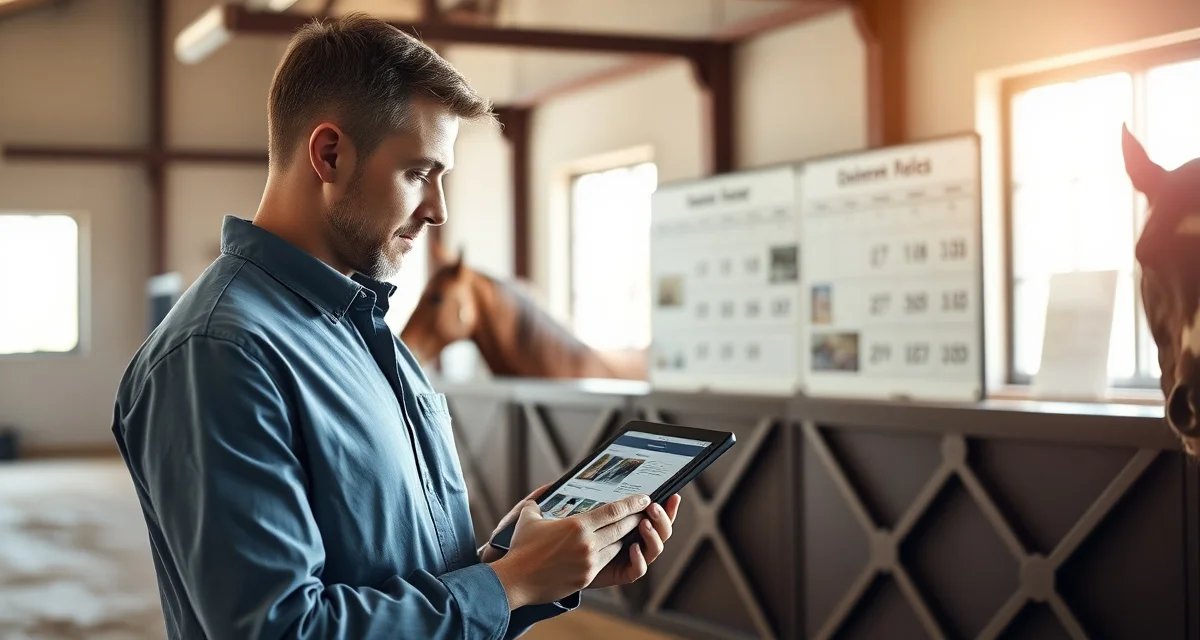
Endurance Barn Owner Communication: Updates That Actually Work
Endurance barn owner communication is nothing like managing a hunter-jumper or dressage facility. Owners in this discipline are tracking conditioning miles, heart rate recovery, electrolyte protocols, and ride entry windows simultaneously. Generic barn software was not built for that.
TL;DR
- Owner communication is the top factor in boarding client retention, ranked above facility quality and pricing in surveys
- Structured daily updates take under 30 seconds to log when built into care workflows and deliver outsized retention value
- Health alerts sent within 30 minutes of an event, with a documented response timeline, build owner confidence
- Billing transparency, specifically itemized invoices and pre-approval for large expenses, prevents most financial disputes
- An owner communication portal gives clients a single place to check updates and reduces inbound call volume significantly
- Written onboarding communication expectations reset habits from a boarder's previous barn and prevent early misunderstandings
The result is a communication gap that costs barn managers hours every week and leaves owners anxious between check-ins. This guide walks through a practical system for fixing it.
Why Endurance Barn Communication Breaks Down
Most barn management platforms assume a weekly lesson schedule and a monthly board invoice. Endurance operations run on a completely different rhythm. A horse might log 40 conditioning miles one week, rest for five days, then complete a 50-mile ride on the weekend.
Owners want to know about all of it. They are often deeply involved in their horse's training plan and have strong opinions about pacing, nutrition, and recovery. When communication is slow or incomplete, they fill the gap with phone calls and texts that interrupt your day.
The fix is not more communication. It is structured, timely communication that answers the questions before they get asked.
Step 1: Define What Endurance Owners Actually Need to Know
Map the Communication Categories
Before you build any system, list the information types that matter to endurance owners specifically. These typically fall into four buckets:
- Conditioning logs: Miles, terrain, pace, and how the horse felt
- Recovery metrics: Heart rate recovery times, any post-ride concerns
- Nutrition and electrolytes: What was given, when, and any adjustments
- Ride entry and logistics: Entry deadlines, vet check schedules, crew instructions
Generic barn software covers feeding and turnout. It rarely touches recovery metrics or ride logistics. That gap is where endurance barn owner communication falls apart.
Set Owner Expectations on Day One
When a new horse arrives, give owners a written communication policy. State how often they will receive updates, through which channel, and what triggers an immediate notification. This single step eliminates most of the "just checking in" messages you would otherwise receive.
Step 2: Choose the Right Communication Channel
Stop Relying on Text Threads
Text messages work for urgent one-off updates. They fail completely as a record-keeping system. When an owner asks why their horse's conditioning miles dropped in week three, you should not be scrolling through a group chat to find the answer.
An owner communication portal solves this by keeping all updates, photos, and logs in one searchable place. Owners log in on their own time, see the full history, and stop texting you for information that is already documented.
Match the Channel to the Message Type
| Message Type | Best Channel | Timing |
|---|---|---|
| Conditioning log | owner portal | Within 24 hours of ride |
| Recovery concern | Direct call or text | Immediately |
| Ride entry reminder | Portal + email | 2 weeks before deadline |
| photo updates | Portal photo feed | 2-3 times per week |
| Monthly summary | Portal report | First of each month |
Step 3: Build Your Update Templates
The Post-Conditioning Ride Update
This is the update you will send most often. Keep it short and consistent. A good template covers:
- Date and route
- Total miles and approximate pace
- One observation about how the horse felt (energy, attitude, any stiffness)
- Heart rate recovery if you tracked it
- Any nutrition or electrolyte notes
Owners who receive this format consistently stop asking follow-up questions because the template already answers them. Consistency also makes it easy to spot trends over time.
The Pre-Ride Event Update
Send this 48 to 72 hours before a sanctioned ride. Cover the logistics: start time, vet check location, crew access points, and what you need from the owner if they are attending. Include the horse's current condition status and any last-minute concerns.
This update reduces day-of phone calls dramatically. Owners arrive prepared, and you spend less time managing logistics on ride morning.
The Recovery Check-In
Send this 24 to 48 hours after a ride. Note appetite, any soreness, gut sounds if relevant, and your plan for the next 72 hours. Endurance owners are acutely aware that post-ride recovery is where problems surface. A proactive update here builds more trust than almost anything else you can do.
Step 4: Add Photos and Video Strategically
What to Capture and When
Photos are not just nice to have in endurance. They are evidence. A photo of a horse moving freely three days after a 100-mile ride tells an owner more than a paragraph of text.
Prioritize these moments:
- Post-conditioning ride (horse cooling out, eating, or grazing)
- Vet check arrivals at sanctioned rides
- Recovery days showing normal behavior
- Any time you want to document a concern before calling the owner
Short video clips of the horse trotting out are especially valuable. Owners who cannot be present at rides use this footage to assess soundness themselves.
Keep the Photo Feed Organized
If you are sending photos through a portal, tag them by date and category. An owner scrolling back through three months of updates should be able to find the post-ride photos from a specific event in under 30 seconds. Unorganized photo dumps create more confusion than no photos at all.
Step 5: Use Software Built for Endurance Workflows
What Generic Tools Miss
Most barn management platforms were designed around lesson programs and boarding facilities with predictable weekly routines. They handle invoicing and scheduling well. They do not handle conditioning mileage tracking, ride entry management, or recovery logging.
When you are managing endurance barn operations at any scale, those gaps create real problems. You end up maintaining a separate spreadsheet for conditioning logs, another for ride entries, and a third for owner contact notes. That is three systems where one should do the job.
How BarnBeacon Fits Endurance Workflows
BarnBeacon's owner portal was built to adapt to discipline-specific reporting needs, including the patterns that endurance barns actually run on. Conditioning logs, recovery notes, and photo updates all live in the same place owners check for invoices and schedules.
Owners get a single login that shows them everything relevant to their horse. Managers get a single platform that handles the full communication workflow without manual workarounds. The result is fewer interruptions and a complete record that protects both parties if questions arise later.
Common Mistakes to Avoid
Sending updates only when something goes wrong. Owners who only hear from you during problems become anxious owners. Regular positive updates create the baseline trust that makes difficult conversations easier.
Using different channels for different owners. When some owners get texts, some get emails, and some get portal updates, you will inevitably miss someone. Pick one primary channel and stick to it.
Skipping the recovery update. This is the update most barn managers forget and the one endurance owners care about most. Build it into your post-ride routine before you do anything else.
Over-explaining normal variation. A horse that was quieter than usual on a conditioning ride does not need a three-paragraph explanation. One sentence is enough. Save the detail for situations that actually warrant it.
How does BarnBeacon compare to spreadsheets for barn management?
Spreadsheets require manual updates, lack real-time notifications, and create version control problems when multiple staff members are working from different files. BarnBeacon centralizes records, pushes alerts automatically based on logged events, and connects care records to billing and owner communication in one system. Most facilities report saving several hours per week after switching from spreadsheets.
What is the setup process like for BarnBeacon?
Most facilities complete the initial setup in under a week. Horse profiles, service templates, and billing configurations can be imported from existing records or entered directly. BarnBeacon's US-based support team is available to assist with setup, and most managers are running their first billing cycle through the platform within days of starting.
Can BarnBeacon support a barn with multiple staff members?
Yes. BarnBeacon supports multiple user accounts with role-based access, so barn managers, barn staff, and owners each see the information relevant to their role. Task assignments, completion logs, and communication history are all attached to the barn's account rather than to individual staff phones or email addresses.
FAQ
What is Endurance Barn Owner Communication: Updates That Actually Work?
Endurance Barn Owner Communication: Updates That Actually Work is a practical guide for barn managers running endurance horse facilities. It covers how to build structured daily update systems, health alert protocols, billing transparency practices, and onboarding communication frameworks specifically designed for endurance boarding clients. Unlike generic barn management advice, it addresses the unique tracking demands of the discipline, including conditioning miles, heart rate recovery, and ride entry windows, helping barn owners retain clients and reduce time spent on reactive phone calls.
How much does Endurance Barn Owner Communication: Updates That Actually Work cost?
The communication system described in this guide does not have a direct cost. It is a framework of practices and workflows barn managers can implement using existing tools or a dedicated owner communication portal. If you choose to adopt barn management software to support the system, costs vary by platform. The principles themselves, such as structured daily logs and 30-minute health alert windows, can be applied immediately without purchasing any additional technology.
How does Endurance Barn Owner Communication: Updates That Actually Work work?
The system works by embedding short update logs into existing daily care routines so barn staff capture relevant information in under 30 seconds per horse. Updates are delivered through a centralized owner portal covering health observations, conditioning progress, and billing details. Health alerts trigger within 30 minutes of any notable event. Onboarding documents set communication expectations upfront, and itemized invoices with pre-approval thresholds prevent financial disputes before they start.
What are the benefits of Endurance Barn Owner Communication: Updates That Actually Work?
Key benefits include higher boarding client retention, fewer inbound calls and texts from anxious owners, reduced financial disputes through billing transparency, and stronger owner confidence built by timely health alerts. Owners tracking conditioning miles and electrolyte protocols get the structured data they need, while barn managers spend less time on reactive communication. The system creates a documented record of care that protects both parties and supports professional facility management.
Who needs Endurance Barn Owner Communication: Updates That Actually Work?
Any barn manager running an endurance boarding operation will benefit, particularly those experiencing high client turnover, frequent owner inquiries, or billing disagreements. It is equally relevant to barn owners transitioning clients from other disciplines who arrive with different communication expectations. Staff managing multiple horses with complex conditioning schedules will find the structured logging approach especially valuable for keeping all stakeholders informed without creating an administrative burden.
How long does Endurance Barn Owner Communication: Updates That Actually Work take?
Initial setup of onboarding documents and portal configuration may take a few hours. Once workflows are in place, daily update logging takes under 30 seconds per horse. Health alert protocols become habit within the first few weeks. Most barn managers report that inbound call volume drops noticeably within the first month of consistent implementation, returning significant time to hands-on horse care rather than administrative follow-up.
What should I look for when choosing Endurance Barn Owner Communication: Updates That Actually Work?
Look for a system that integrates update logging directly into care workflows rather than adding a separate administrative step. Health alert delivery should be near real-time with a documented response timeline. Billing features should support itemized invoices and pre-approval thresholds. The owner-facing portal should be simple enough that non-technical clients actually use it. Endurance-specific data points like conditioning miles and heart rate recovery should be trackable, not just generic feeding and turnout notes.
Is Endurance Barn Owner Communication: Updates That Actually Work worth it?
Yes, for endurance barns specifically. Owner communication ranks above facility quality and pricing as a factor in boarding client retention, making it one of the highest-leverage investments a barn manager can make. The time cost is minimal once workflows are established, and the payoff in reduced client churn, fewer disputes, and lower reactive communication volume is substantial. For a discipline where owners are already tracking detailed performance data, a structured update system meets them where they are.
Sources
- American Association of Equine Practitioners (AAEP)
- United States Equestrian Federation (USEF)
- American Endurance Ride Conference (AERC)
- American Horse Council
- Kentucky Equine Research
Get Started with BarnBeacon
Owner communication that runs on group texts and personal phones is a system waiting to break. BarnBeacon gives endurance barns the structure to deliver consistent, horse-specific updates automatically, keep health alerts separate from routine notices, and give owners portal access to their horse's complete history. Start a free trial and see what your communication looks like when it runs through a system built for it.