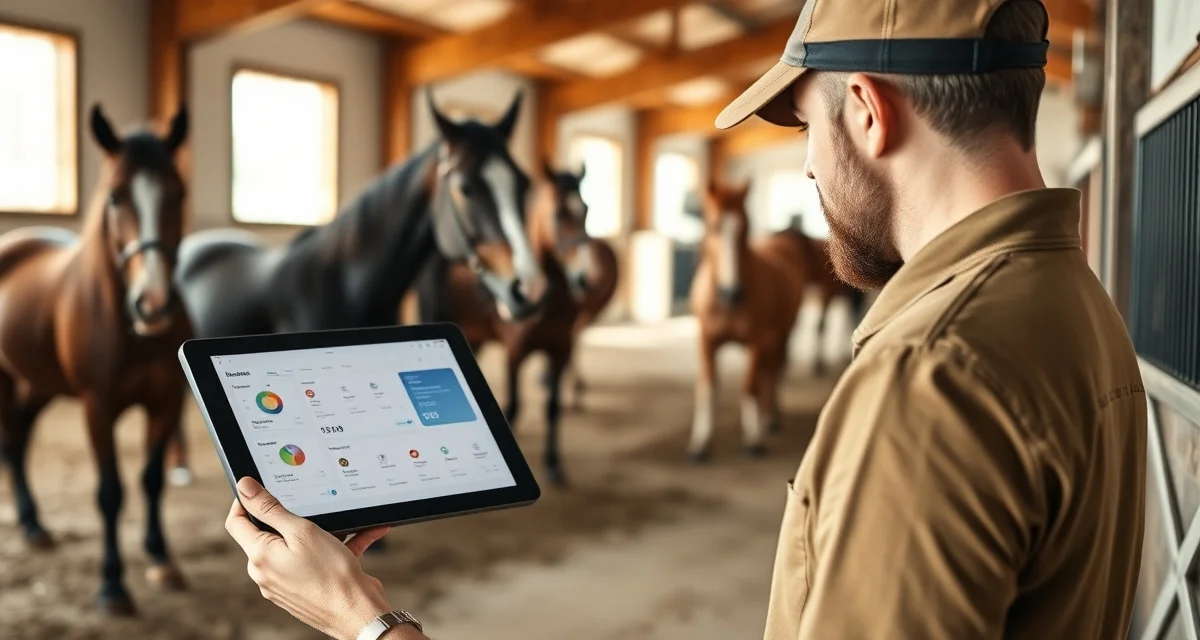
Remote Owner Communication for Boarding Barns
Remote horse owners, those who board their horses at a facility they don't visit daily, have a natural need for information about their animal's wellbeing. Meeting that need efficiently, without consuming excessive staff time, is one of the core challenges of running a boarding operation.
Modern barn management software addresses this challenge directly through owner portals, automated notifications, and messaging systems that give clients self-service access to the information they most commonly ask about.
What Remote Owners Need to Know
Horse owners who can't visit daily typically have a short list of recurring concerns:
- Is my horse eating normally?
- Was it turned out today?
- Is there anything health-related I should know about?
- What does my bill look like this month?
- When is the farrier next scheduled?
Each of these questions, fielded individually by phone or text, generates significant communication overhead. Across 30 boarding clients, that overhead can consume hours of staff time weekly.
A well-designed remote communication system turns these one-on-one requests into self-service access, freeing staff to do barn work while keeping owners well-informed.
Owner Portal as Primary Communication Tool
The owner portal is the foundation of remote owner communication at a modern boarding barn. It provides 24/7 access to a horse's care logs, health records, invoices, and any notifications the barn has sent.
When staff log care tasks through BarnBeacon's staff care logging system, those logs appear in the owner portal immediately. An owner checking in from work or while traveling can see what was done that morning without calling the barn.
This transparency builds trust. Remote owners who can see their horse's daily care log tend to be less anxious and less likely to make reactive phone calls than those who have no visibility between visits.
Automated Notifications
Beyond the portal, BarnBeacon sends automated notifications to keep owners informed without requiring manual outreach from staff:
Invoice generation. When a new monthly invoice is created, the owner receives a notification with a link to review and pay.
Payment reminders. Automated reminders go out before the due date and for overdue invoices, eliminating the awkward task of manually chasing payments.
Health observations. When a staff member logs an observation flagged for owner attention, such as noticing a wound, behavioral change, or health concern, the owner can be notified automatically.
Scheduled service completion. When a vet or farrier visit is logged as complete, the owner can receive a notification confirming it happened and linking to any notes.
Direct Messaging
For communication that requires a back-and-forth, BarnBeacon includes a messaging system that keeps all communications tied to the relevant horse record. This is cleaner than texting or emailing because the conversation history stays in the platform rather than getting lost in personal message threads.
Barn managers can send individual messages to specific clients or broadcast announcements to all boarders. Clients can reply through the portal.
Managing Owner Communication at Scale
The communication infrastructure matters most at barns with 30 or more horses. At that scale, fielding individual status inquiries from every remote owner consumes meaningful staff hours daily. A system where owners can get what they need without initiating contact changes the math significantly.
Facilities that implement BarnBeacon's owner portal and notification systems consistently report that routine inbound inquiries drop substantially in the first few months. The time previously spent answering routine questions gets redirected to actual barn operations.
For training barns specifically, daily training logs in the owner portal replace the daily or weekly trainer-to-owner call about progress. Owners see what was worked on each day without scheduling communication.
See owner portal features for a complete breakdown of what's available in BarnBeacon's client communication tools.
FAQ
What is Remote Owner Communication for Boarding Barns?
Remote owner communication for boarding barns refers to the systems and tools that allow horse owners to stay informed about their boarded horses without visiting the facility daily. This includes owner portals, automated notifications, messaging platforms, and digital updates covering feeding, turnout, health events, and billing. Rather than relying on phone calls or texts, modern barn management software centralizes this communication, giving owners self-service access to the information they need while reducing the administrative burden on barn staff.
How much does Remote Owner Communication for Boarding Barns cost?
Most remote owner communication features are included within broader barn management software subscriptions, which typically range from $50 to $200 per month depending on barn size and feature set. Standalone owner portal tools may cost less. There is rarely a per-owner fee. When weighed against the staff hours saved fielding individual owner inquiries, most boarding operations find the investment pays for itself quickly, especially at facilities with 20 or more boarding clients generating frequent communication requests.
How does Remote Owner Communication for Boarding Barns work?
Barn staff log daily care activities—feeding, turnout, health observations, and farrier or vet visits—into management software. That data automatically populates an owner-facing portal where clients can log in and view updates at any time. Automated notifications alert owners to significant events, such as a missed feeding or health concern, without requiring staff to make individual calls. Owners can also send messages through the platform, keeping all communication in one organized, trackable thread rather than scattered across personal phones.
What are the benefits of Remote Owner Communication for Boarding Barns?
The primary benefit is time savings for barn staff, who spend far less time fielding repetitive questions. Owners benefit from on-demand access to accurate, timely information about their horses, reducing anxiety and building trust in the facility. Barns benefit from improved client retention, as transparent communication is a top factor in boarding satisfaction. Digital records also create accountability and documentation trails useful for billing disputes, health histories, and demonstrating professional barn management standards to prospective clients.
Who needs Remote Owner Communication for Boarding Barns?
Any boarding barn with clients who cannot visit daily needs a structured remote communication approach. This is especially true for full-care boarding facilities, large operations with 15 or more horses, barns serving competitive riders who travel frequently, and facilities in rural areas where owners may live significant distances away. Even smaller barns benefit, since a handful of high-communication clients can consume disproportionate staff time without a self-service system in place to handle routine inquiries.
How long does Remote Owner Communication for Boarding Barns take?
Setup typically takes a few days to a few weeks, depending on the software chosen and the size of the operation. Onboarding involves entering horse and owner data, configuring notification preferences, and inviting clients to create portal accounts. Daily communication flows become routine quickly. Staff time investment is front-loaded during setup; once operational, the system reduces daily communication time rather than adding to it. Most barns report reaching full adoption within the first billing cycle.
What should I look for when choosing Remote Owner Communication for Boarding Barns?
Look for a platform that covers the questions owners ask most: feeding status, turnout logs, health and vet notes, billing, and scheduling. Prioritize ease of use for both staff and owners—complicated tools get abandoned. Mobile accessibility matters since both staff and owners primarily use phones. Automated notifications, two-way messaging, and document storage for coggins and health records add significant value. Integration with billing and invoicing reduces duplicate data entry and keeps the owner's full picture in one place.
Is Remote Owner Communication for Boarding Barns worth it?
For most boarding barns, yes. The return comes from staff time recovered, client retention improved, and professional reputation strengthened. Owners who feel well-informed are less likely to move their horses and more likely to refer new clients. Barns that rely on informal text threads and phone calls often underestimate how much time those interactions consume across a full client roster. A purpose-built communication system pays dividends in operational efficiency and client satisfaction that informal methods simply cannot match at scale.