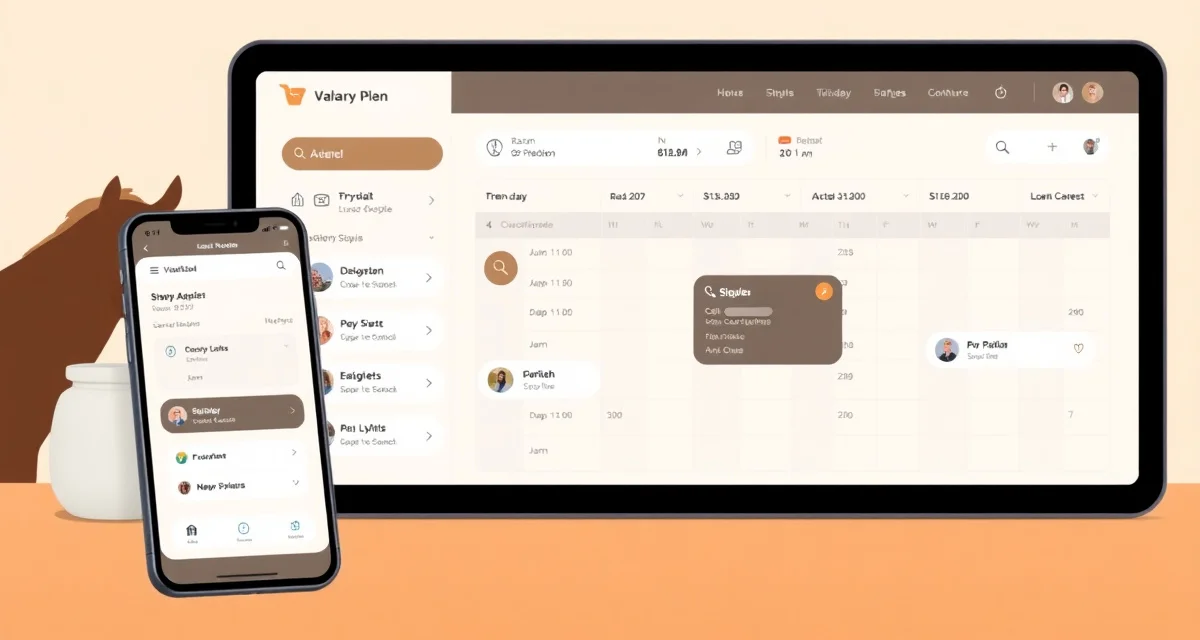
Scheduling Notifications for Barn Management
Scheduling notifications are the alerts that keep barn staff and horse owners informed about upcoming events, deadlines, and changes to the schedule. Without them, things get missed. A farrier visit that nobody remembered to communicate, a staff shift change that didn't reach the right person, a vet appointment that slipped off the calendar. Reliable notifications close these gaps.
Types of Scheduling Notifications in BarnBeacon
BarnBeacon sends notifications across several scheduling contexts:
Staff shift reminders. Staff members receive reminders about upcoming shifts, including any changes to their assignments or special tasks for that shift. This reduces no-shows and ensures everyone is prepared for what their shift involves.
Task due alerts. When a scheduled task is due, the assigned staff member receives an alert. For recurring maintenance tasks with specific timing requirements, such as worming cycles or stall deep cleans, due-date notifications ensure the work happens on schedule.
Vet appointment reminders. Barn managers receive reminders before scheduled veterinary visits. Horse owners can also receive notification when a vet appointment is confirmed and when the visit is completed.
Farrier schedule alerts. When a horse's farrier cycle is due, BarnBeacon can generate a reminder to schedule the visit. Once scheduled, reminders go to relevant staff about what preparation is needed for farrier day.
Invoice and payment notifications. When invoices are generated and when payment due dates approach, BarnBeacon sends automated notifications to horse owners. Payment reminders are part of the notification system.
Owner portal alerts. When significant events are logged for a horse, such as a health observation flagged for owner attention, the owner receives a notification through the portal.
Why Automated Notifications Matter
Manual reminder systems rely on someone remembering to send them. Email chains, sticky notes, and verbal reminders work sometimes but fail often enough to create operational gaps. Automated notifications that trigger from the scheduling system don't depend on anyone remembering.
For staff scheduling, this means shift reminders go out on schedule regardless of whether the barn manager's day got busy. For vet and farrier appointments, reminders reach owners without requiring the barn manager to track down contact information and compose individual messages.
The cumulative time savings from not chasing down reminders manually is significant, especially at barns managing 30 or more horses with complex care schedules.
Configuring Notifications in BarnBeacon
BarnBeacon lets you configure notification timing and channels for each notification type. You control:
- How far in advance reminders are sent (e.g., 48 hours before a vet appointment, 3 days before an invoice due date)
- Which staff members receive which types of alerts
- Which notifications are sent to horse owners versus internal staff only
- Whether notifications go by email, in-app alert, or both
The goal is to send the right alerts to the right people at the right time, without creating notification fatigue from over-alerting.
Notifications and the Owner Portal
For horse owners, notifications connect to the owner portal. When an owner receives a notification about an invoice or a health update, clicking through takes them directly to the relevant record in the portal. They don't need to log in and navigate; the notification links directly to what they need to see.
This design makes the notification actionable rather than just informational. An invoice notification that links directly to the invoice and payment interface gets paid faster than one that just says "you have a new invoice."
Scheduling notifications are one of the components that make BarnBeacon's scheduling tools function as a complete system rather than a passive calendar. Combined with scheduling task management and staff scheduling, they create the active loop that keeps barn operations on track.
FAQ
What is Scheduling Notifications for Barn Management?
Scheduling notifications for barn management are automated alerts that keep barn staff and horse owners informed about upcoming shifts, tasks, vet appointments, farrier visits, and schedule changes. In BarnBeacon, these notifications are tied directly to your scheduling system, so reminders go out automatically based on the events you've entered. The goal is to eliminate the communication gaps that cause missed farrier visits, forgotten vet appointments, and no-show staff shifts.
How much does Scheduling Notifications for Barn Management cost?
BarnBeacon's scheduling notification features are included as part of the platform's core scheduling tools. Pricing depends on your subscription tier and barn size. Because notifications are built into the scheduling system rather than sold separately, you get automated alerts without paying for a standalone tool. Visit BarnBeacon.com or contact the team directly for current pricing based on your operation's needs.
How does Scheduling Notifications for Barn Management work?
BarnBeacon monitors your schedule and sends alerts to the right people at the right time. Staff receive shift reminders and task due alerts. Barn managers get notified before vet and farrier appointments. Horse owners can receive confirmations and post-visit updates. Notifications are triggered automatically based on the schedule you build in BarnBeacon, so there's no manual follow-up required from the manager each time an event approaches.
What are the benefits of Scheduling Notifications for Barn Management?
The core benefit is reducing missed events and miscommunication. Staff arrive prepared for their shifts because they received a timely reminder. Recurring tasks like worming cycles and stall deep cleans happen on schedule because alerts prompt the assigned person. Vet and farrier appointments don't slip through the cracks. Horse owners stay informed without requiring the barn manager to send individual messages. The result is a more reliable, professionally run operation.
Who needs Scheduling Notifications for Barn Management?
Any barn with multiple staff members, rotating schedules, or horses under regular veterinary and farrier care benefits from scheduling notifications. This includes boarding barns, breeding facilities, layup barns, and training operations. If your barn relies on verbal reminders or manual texts to coordinate shifts and appointments, you're the target user. BarnBeacon's notification system is especially valuable for managers overseeing large teams or high horse counts where manual communication becomes unmanageable.
How long does Scheduling Notifications for Barn Management take?
Setup takes as long as it takes to enter your existing schedule into BarnBeacon. Once your shifts, tasks, and appointments are in the system, notifications begin going out automatically with no additional effort. Individual alerts are sent based on the timing you configure — typically hours or days before an event. The ongoing time investment is minimal: update the schedule, and the notifications follow.
What should I look for when choosing Scheduling Notifications for Barn Management?
Look for a system where notifications are tied directly to your scheduling data, not manually composed. Automatic triggering, role-appropriate recipients, and multi-event coverage — shifts, tasks, vet visits, farrier cycles — are essential. Configurable timing matters too; a farrier reminder is most useful days in advance, while a shift reminder works best the evening before. BarnBeacon is built specifically for equine operations, so its notification logic reflects how barn schedules actually work.
Is Scheduling Notifications for Barn Management worth it?
Yes, if missed appointments and communication gaps are a real problem in your barn. The cost of a no-show staff member, a skipped worming cycle, or an uncoordinated vet visit adds up quickly in time, money, and animal welfare. Automated scheduling notifications address these issues without requiring extra administrative effort. For any barn managing more than a handful of horses and staff, reliable notifications are a foundational tool, not a luxury.