Pony Club Barn Owner Communication: Records and Updates
Pony club barn owner communication runs on a different rhythm than standard boarding operations. Ratings testing, rally prep, mounted games schedules, and certification requirements create a documentation load that generic barn software simply wasn't built to handle.
TL;DR
- Pony Club facilities benefit from centralized vet records accessible to the treating vet, barn manager, and owner from a single platform.
- Vaccination histories, Coggins results, and current medication lists should be available without searching through paper files during a vet visit.
- Digital vet records with timestamps create an audit trail that protects the barn if a horse's care history is later questioned.
- Pony Club horse health records should include competition eligibility documentation and any discipline-specific compliance requirements.
- Sharing vet records digitally with owners eliminates the communication gap that occurs when verbal summaries replace written documentation.
Most barn management platforms treat all disciplines the same. Pony club doesn't work that way.
Why Pony Club Communication Is Different
Pony club disciplines have unique owner communication patterns not covered by generic barn software. Parents and owners aren't just asking "how is my horse doing today?" They're tracking vet records tied to rally eligibility, monitoring conditioning progress against testing standards, and coordinating with DC coordinators on certification paperwork.
That's a fundamentally different communication structure. A message about a missed farrier appointment carries different weight when a ratings test is three weeks out.
Add in the fact that many pony club horses are owned by families with young riders, and you have a communication audience that expects frequent, detailed updates, not weekly summaries.
What Records Pony Club Owners Actually Need
Before you build any communication workflow, get clear on what your owners are asking for. In a pony club context, that typically includes:
- Current vaccination records (required for rally entry)
- Coggins test dates and expiration status
- Farrier visit logs with notes on hoof condition
- Vet exam summaries, especially pre-rally soundness checks
- Conditioning and schooling notes tied to testing levels
- Any medication or treatment records that affect competition eligibility
Owners need this information accessible, not buried in a binder at the barn office. When a rally entry deadline hits, they need to pull records fast.
Step-by-Step: Setting Up Owner Communication for a Pony Club Barn
Step 1: Audit Your Current Record-Keeping System
Start by identifying where records currently live. Are vet notes in a paper file? Are farrier visits logged in a spreadsheet? Is medication tracking happening in a group text thread?
Map every record type against who needs access to it and how often. This audit usually reveals three or four major gaps where owners are either getting too little information or chasing it down manually.
Step 2: Centralize Records in a Single Digital Location
Paper files and scattered spreadsheets don't scale when you're managing 20+ horses with active pony club schedules. Move your core records into a platform that supports horse-specific profiles with document storage.
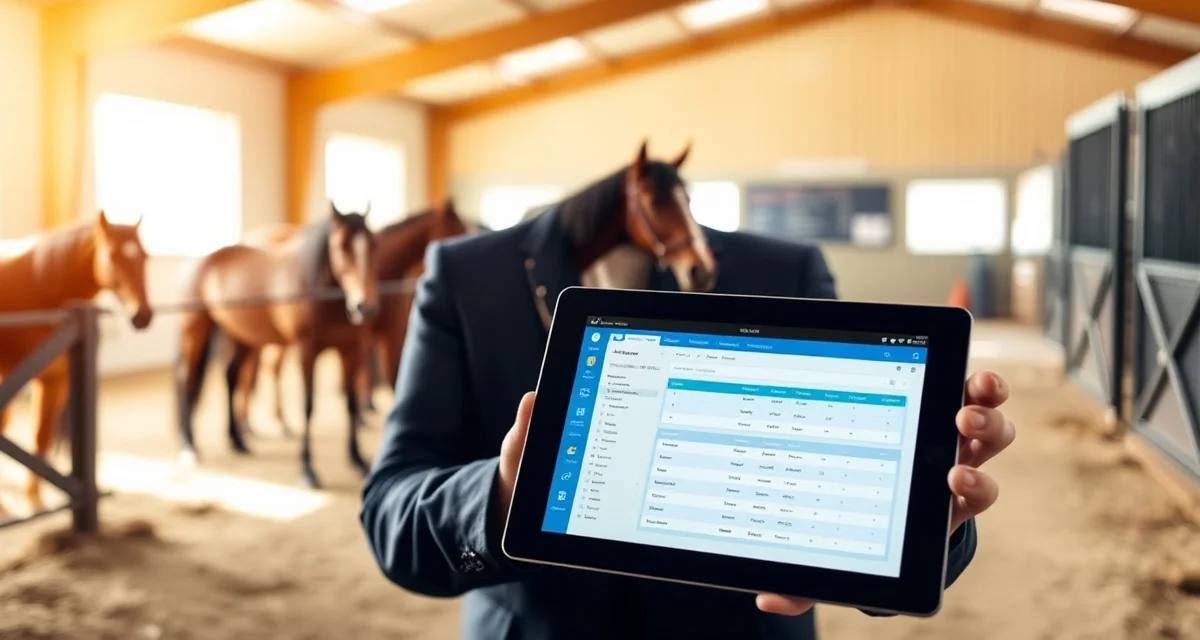
BarnBeacon's owner communication portal is built to handle exactly this kind of structured record-keeping. Each horse profile stores vet documents, farrier logs, and health notes in one place that owners can access directly without calling the barn.
The key requirement here is that owners get read access to their horse's records without needing to contact staff for every document. That alone eliminates a significant portion of routine communication overhead.
Step 3: Build a Communication Template for Routine Updates
Consistency matters more than frequency. Owners who receive structured updates on a predictable schedule are less likely to send daily check-in messages.
For pony club barns, a weekly update template should include:
- Health status (any changes since last update)
- Farrier or vet visits that occurred during the week
- Schooling or conditioning notes relevant to current testing level
- Any upcoming appointments or schedule changes
- Document or record updates (new Coggins, updated vaccination certificate)
Keep each section brief. Owners want facts, not narratives. A three-sentence health note is more useful than a paragraph of reassurance.
Step 4: Set Up Automated Record Expiration Alerts
Coggins tests expire. Vaccinations lapse. In a pony club context, an expired record can pull a horse from a rally entry at the last minute.
Configure your barn management system to send automated alerts when key records are approaching expiration. Owners should receive a notification 30 days out and again at 14 days. Barn managers should get a parallel alert so nothing slips through.
This is one of the highest-value automation features for pony club operations. It shifts the burden of tracking expiration dates off both staff and owners and puts it on the system.
Step 5: Create a Rally and Event Communication Protocol
Rally season compresses communication timelines significantly. Owners need health certificates, Coggins copies, and sometimes vet-signed soundness forms within short windows.
Build a specific protocol for rally prep communication that includes:
- A checklist of required documents per rally type
- A timeline for when each document needs to be confirmed
- A clear escalation path if a record is missing or expired
Send this checklist to owners at least three weeks before each rally. Follow up at one week with a status update on any outstanding items. This prevents the last-minute scramble that burns staff time and stresses families.
Step 6: Use the Owner Portal for Two-Way Communication
Owner communication isn't just outbound. Owners need a way to flag concerns, ask questions, and submit information back to the barn without relying on text messages or phone calls.
A structured pony club barn operations workflow includes a documented channel for owner-initiated communication. That might be a message thread within your barn management platform, a shared form for submitting vet authorization, or a request system for scheduling farrier appointments.
The goal is to keep all communication in one place. When a question about a horse's soundness comes in three days before a rally, you want that conversation documented and accessible, not lost in someone's personal inbox.
Step 7: Review and Refine Your Communication Cadence Each Season
Pony club schedules shift. Rally calendars change. New families join with different expectations and experience levels.
At the start of each season, review your communication templates and cadence. Ask a sample of owners what they found useful and what they missed. Adjust your weekly update template if certain sections consistently go unread.
This isn't a set-and-forget system. The barns that do owner communication well treat it as an ongoing process, not a one-time setup.
Common Mistakes in Pony Club Owner Communication
Sending updates that aren't horse-specific. Blast messages about barn-wide policy changes are fine occasionally, but owners want information about their horse. Generic updates get ignored.
Waiting for owners to ask before sharing records. Proactive record sharing builds trust. If a vet visit happened, the owner should know within 24 hours, not when they happen to call.
Using personal phone numbers as the primary communication channel. Text threads are untracked, unsearchable, and create liability gaps. Move routine communication to a documented platform.
Ignoring the rally prep communication window. The three weeks before a rally are the highest-stakes communication period in a pony club barn's calendar. Treat that window with a specific protocol, not your standard weekly cadence.
How do I communicate with pony club horse owners?
Use a combination of structured weekly updates, automated record alerts, and a centralized owner portal where families can access their horse's documents directly. Pony club owners need more frequent and more detailed communication than typical boarders, especially during rally season. A dedicated platform keeps all communication documented and accessible to both staff and owners.
What do pony club owners want to know about their horses?
Pony club owners prioritize health and soundness records, vaccination and Coggins status, farrier visit notes, and conditioning progress tied to testing levels. They also want advance notice of any record expirations that could affect rally eligibility. The more directly this information connects to their rider's pony club goals, the more valuable it is.
What owner portal features matter for pony club barns?
The most important features are horse-specific document storage, automated expiration alerts for health certificates and vaccinations, a structured messaging channel separate from personal phones, and the ability for owners to access records on demand without contacting staff. BarnBeacon's owner portal is designed to support these workflows, including the discipline-specific documentation patterns that pony club operations require.
How should pony club facilities handle vet records when a horse transfers to a new barn?
When a horse leaves your facility, provide the new barn with a complete digital copy of the horse's health record including vaccination history, Coggins certificate, current medications, and any ongoing treatment plans. Make this a standard part of your departure process rather than something done only when requested. Pony Club horse owners expect continuity of care documentation and a complete transfer record demonstrates your facility's professional standards.
Who at the barn should have permission to view and update vet records?
The barn manager should have full access to view and update vet records. Senior staff responsible for daily care should have read access to the sections relevant to their care duties -- current medications, dietary restrictions, and known conditions. Define access levels before implementing digital records, not after.
Related Articles
FAQ
What is Pony Club Barn Owner Communication: Records and Updates?
Pony Club barn owner communication covers the structured exchange of records, updates, and documentation between barn managers and horse owners in Pony Club facilities. Unlike standard boarding, it encompasses vet records, vaccination histories, Coggins results, medication logs, competition eligibility documentation, and ratings-related health compliance. Digital platforms like BarnBeacon centralize this information so treating vets, barn managers, and owners access the same real-time records without relying on paper files or fragmented verbal summaries.
How much does Pony Club Barn Owner Communication: Records and Updates cost?
BarnBeacon offers tiered pricing based on facility size and feature needs. Most barn management platforms with digital vet record sharing, owner portals, and audit trail functionality range from $50 to $200 per month. Pony Club facilities should evaluate plans that include competition documentation storage and multi-user access, since parents, barn managers, and vets all need record visibility. Contact BarnBeacon directly for current pricing aligned to your facility's horse count and communication requirements.
How does Pony Club Barn Owner Communication: Records and Updates work?
A centralized platform stores vet records, vaccination histories, Coggins results, and medication lists in one accessible location. When a vet arrives, records pull up instantly rather than requiring a search through paper files. Barn managers update records after appointments, owners receive notifications, and timestamps create a permanent audit trail. For Pony Club facilities, competition eligibility documentation and discipline-specific compliance requirements are stored alongside routine health records so nothing gets separated during rally or ratings prep.
What are the benefits of Pony Club Barn Owner Communication: Records and Updates?
Centralized digital records eliminate the communication gap that occurs when verbal summaries replace written documentation. Owners get accurate, timestamped updates rather than secondhand accounts. Barn managers spend less time fielding repeat questions. Vets arrive prepared with full health histories. If a horse's care is later questioned, the audit trail provides clear documentation. For Pony Club specifically, having competition eligibility and certification requirements stored alongside health records prevents compliance oversights during high-stakes testing and rally seasons.
Who needs Pony Club Barn Owner Communication: Records and Updates?
Pony Club barn owners, managers, and facility operators handling multiple horses across ratings levels and competition schedules benefit most. Parents tracking their child's horse through ratings testing, barn managers coordinating vet visits around rally prep, and treating vets needing immediate access to current medication lists all have direct needs this system addresses. Any Pony Club facility where paper files, scattered texts, and verbal updates currently create confusion or compliance risk is a strong candidate.
How long does Pony Club Barn Owner Communication: Records and Updates take?
Initial setup typically takes a few hours to migrate existing records and configure owner access. Ongoing use adds minimal time to existing workflows since record updates happen directly after vet visits rather than through separate documentation steps. For Pony Club facilities approaching ratings testing cycles or rally season, building out competition eligibility documentation in advance takes additional setup time but pays off when multiple horses and owners need coordinated communication simultaneously.
What should I look for when choosing Pony Club Barn Owner Communication: Records and Updates?
Prioritize multi-user access so vets, barn managers, and owners all view the same records in real time. Look for timestamped audit trails, competition eligibility documentation fields, and the ability to store Coggins results and vaccination histories alongside routine visit notes. Mobile accessibility matters for barn environments. Pony Club-specific platforms should handle discipline requirements that generic software ignores. Integration with your existing scheduling or billing tools reduces friction and improves adoption across staff.
Is Pony Club Barn Owner Communication: Records and Updates worth it?
For any Pony Club facility managing multiple horses through ratings cycles, rally prep, and certification requirements, yes. The documentation load unique to Pony Club disciplines quickly overwhelms paper files and informal text updates. Digital records with audit trails protect the barn legally, reduce owner communication friction, and ensure vets always have accurate histories at hand. The time saved on repeat inquiries and the reduced risk of compliance gaps during competition season make a purpose-built system a practical investment.
Sources
- American Association of Equine Practitioners (AAEP)
- American College of Veterinary Internal Medicine (ACVIM)
- Cornell University College of Veterinary Medicine
- University of California Davis School of Veterinary Medicine
- The Horse magazine
Get Started with BarnBeacon
Pony Club facility managers who share vet records digitally give treating vets a complete clinical picture, give owners real-time visibility into their horse's care, and give themselves a documented record that protects the facility when health questions arise. BarnBeacon stores each horse's health history in a single accessible record that updates in real time and is accessible from any device. If your current approach to vet record management involves paper files or scattered spreadsheets, BarnBeacon offers a more reliable system.