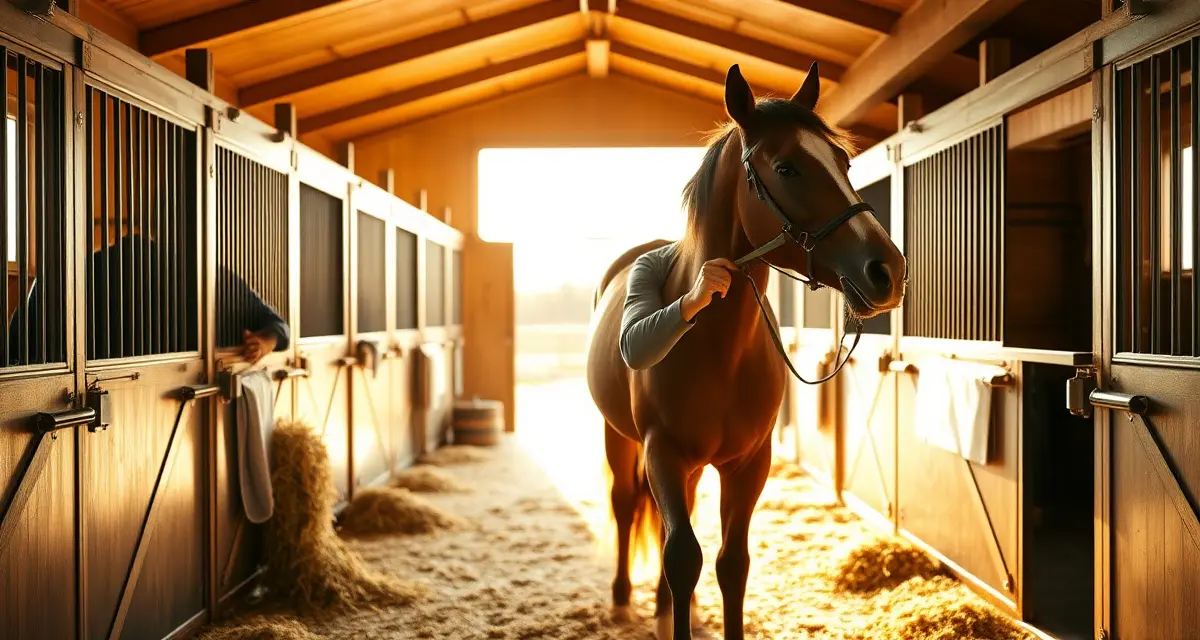
What Is Full-Care Horse Boarding? What It Includes
Full-care horse boarding means the barn takes responsibility for every daily need of a horse in its care. Understanding what is full care horse boarding matters whether you're an owner evaluating facilities or a barn manager setting service expectations.
TL;DR
- Full care horse boarding includes feeding, stall cleaning, turnout, and basic health monitoring in exchange for a monthly board fee.
- The specific services included in 'full care' vary significantly between facilities; a written boarding contract defining inclusions protects both parties.
- Owner communication expectations -- update frequency, notification thresholds, and access to care records -- should be defined at intake.
- Full care facilities are responsible for following each horse's individualized care plan, which requires reliable information transfer between staff.
- Digital barn management platforms give full care facilities the structure to document and deliver consistent care across a full horse population.
The Most Searched Barn Management Questions Have Real Answers
Full-care boarding is one of the top 20 horse barn management questions searched monthly, and yet most answers online are vague or incomplete. Owners and barn managers deserve a clear, practical breakdown.
Full board horse meaning, at its core, is this: the horse owner pays a monthly fee and the barn handles everything. That includes feeding, stall cleaning, turnout, blanketing, and coordination with veterinarians and farriers.
What Full-Care Horse Boarding Actually Includes
Daily Feeding
The barn provides hay and grain on a set schedule, typically two to three times per day. Feed quantities and types are usually customized per horse based on owner instructions or veterinary recommendations. Some facilities include supplements in the base rate; others charge separately.
Stall Cleaning
Stalls are cleaned at least once daily, with some full-care barns offering twice-daily cleaning. Bedding is replenished as needed. This is a non-negotiable part of full board service and a significant labor cost for barn operators.
Turnout
Horses receive daily turnout in a paddock or pasture. The schedule, group turnout versus individual, and duration vary by facility. Barn managers need a clear system for tracking which horses go out, with which companions, and for how long.
Blanketing
When temperatures drop or weather changes, full-care barns blanket and unblanket horses as needed. This requires staff to monitor forecasts and act quickly, sometimes multiple times in a single day. Owners typically provide their own blankets and leave instructions for when to use them.
Holding for Farrier and Veterinarian Visits
Full-care boarding includes having a staff member present to hold the horse during farrier and vet appointments. This is a significant time commitment that partial-care or self-care board does not include. Barn managers often coordinate scheduling directly with service providers on the owner's behalf.
Owner Communication
Regular updates to owners about their horse's health, behavior, and daily status are part of full-care service. This can range from a quick text when something seems off to formal written reports. Communication quality is one of the most common complaints owners have about boarding facilities.
Get Started with BarnBeacon
Full care boarding facilities that document their daily care -- feeding, stall cleaning, turnout, health observations -- give owners the transparency that builds long-term boarding relationships. BarnBeacon's client portal lets owners see their horse's care history at any time, reducing check-in calls and demonstrating the value of the full care service they are paying for. If you are running a full care operation and looking for tools that make your care standards visible to owners, BarnBeacon gives you a practical way to do that.
How Barn Managers Track Full-Care Responsibilities
Managing full-care board for even 10 horses involves dozens of daily tasks across multiple staff members. Without a system, things get missed. A missed blanket or skipped turnout can escalate into a health issue or a lost client.
Many barn managers use a barn daily checklist to standardize task completion and create accountability across shifts. This is especially important when multiple staff members share responsibilities throughout the day.
For facilities managing billing, owner communication, and care records in one place, barn management software reduces the administrative load significantly. Digital records also protect the barn if an owner disputes whether a service was performed.
What is the best answer to "what is full care horse boarding"?
Full-care horse boarding is a service where the barn handles all daily care for a horse in exchange for a monthly fee. This includes feeding, stall cleaning, turnout, blanketing, and holding the horse for farrier and veterinary appointments. The owner is not required to be present for routine care. It is the most hands-off boarding option available and typically the most expensive.
How does this change with a digital barn management system?
A digital system makes full-care boarding easier to deliver consistently and easier to document. Barn managers can assign daily tasks to specific staff, log completions with timestamps, and send automated updates to owners. This reduces miscommunication, creates a paper trail for disputes, and helps managers spot patterns like a horse consistently refusing feed or missing turnout.
What tools help with this specific barn management challenge?
Barn management software designed for daily operations can handle task assignment, feeding logs, turnout tracking, and owner communication in one place. A structured daily checklist, whether digital or printed, is the minimum any full-care barn should have in place. For facilities with more than five or six horses on full board, a dedicated platform pays for itself quickly in staff time saved and owner retention improved.
What is typically NOT included in full care horse boarding?
Most full care boarding agreements exclude individualized veterinary care costs, farrier fees, specialized supplements beyond what the facility provides as standard, body clipping, blanketing for horses with unusual requirements, and show-related care and transport. Review your facility's boarding contract carefully to understand what falls outside the monthly fee. Facilities vary widely on where they draw the line between included and billable services; the contract should be specific enough that there is no ambiguity about common add-on scenarios.
How do I know if a full care boarding facility is delivering the care I am paying for?
Ask about the facility's documentation practices before enrolling your horse: how are feeding, stall cleaning, turnout, and health observations recorded, and can you access those records? A facility with digital care records that owners can view provides much more accountability than a facility that relies on verbal updates. Regular unannounced visits -- most well-run facilities welcome owners visiting at any time -- give you direct observation of daily care quality.
FAQ
What is What Is Full-Care Horse Boarding? What It Includes?
Full-care horse boarding is a boarding arrangement where the barn assumes complete daily responsibility for your horse. This typically includes feeding (hay and grain on a set schedule), stall cleaning, fresh water, daily turnout, and basic health monitoring. Unlike partial or pasture board, owners are not required to visit daily to meet their horse's needs. The barn staff manages all routine care, following each horse's individualized plan as agreed upon at intake.
How much does What Is Full-Care Horse Boarding? What It Includes cost?
Full-care horse boarding typically costs between $400 and $1,500 per month depending on geographic location, facility quality, and services included. Urban or high-cost-of-living areas trend toward the higher end. Some barns charge flat rates while others itemize add-ons like blanketing, medication administration, or extra feedings. Always request an itemized breakdown and a written boarding contract to understand exactly what is and isn't covered before committing.
How does What Is Full-Care Horse Boarding? What It Includes work?
Full-care boarding works by transferring daily horse care responsibilities from the owner to the barn. At intake, owners provide a care plan covering feeding amounts, turnout preferences, medical history, and emergency contacts. Barn staff then execute that plan each day across all boarded horses. Reputable facilities use systems—paper logs or digital barn management platforms—to ensure consistent handoffs between staff shifts and reliable documentation of each horse's daily care.
What are the benefits of What Is Full-Care Horse Boarding? What It Includes?
The primary benefit of full-care boarding is peace of mind. Owners with demanding schedules, limited horse experience, or no access to their own property can ensure their horse receives consistent, professional daily care. It also provides built-in oversight—staff monitor horses daily and can catch health issues early. For horses requiring medications, special feeding, or regular turnout, full-care facilities provide structured support that self-care or pasture board cannot reliably offer.
Who needs What Is Full-Care Horse Boarding? What It Includes?
Full-care horse boarding is best suited for owners who cannot visit their horse daily, those new to horse ownership, horses with health conditions requiring consistent monitoring, and anyone without their own property or facilities. It's also common for performance horses whose owners travel for competitions. If you rely on someone else to provide all routine care and want accountability for how that care is delivered, full-care board is the appropriate arrangement.
How long does What Is Full-Care Horse Boarding? What It Includes take?
Setting up full-care boarding typically takes one to two weeks from initial inquiry to move-in. This includes touring the facility, reviewing and signing a boarding contract, completing intake paperwork, and scheduling the arrival date. Transitioning a horse to a new environment also requires an adjustment period of two to four weeks as the horse acclimates to new routines, turnout groups, and feed schedules. Some facilities require a trial period or deposit before finalizing placement.
What should I look for when choosing What Is Full-Care Horse Boarding? What It Includes?
When evaluating a full-care facility, look for a detailed written boarding contract that defines every included service. Ask about feeding schedules, stall cleaning frequency, turnout policies, and how emergencies are handled. Verify that staff-to-horse ratios allow consistent attention. Ask how care updates are communicated to owners and whether the barn uses any system to document daily care. A facility that tracks and shares care records demonstrates operational accountability, not just good intentions.
Is What Is Full-Care Horse Boarding? What It Includes worth it?
Full-care horse boarding is worth it if consistent, daily professional care is something you genuinely need and cannot provide yourself. The monthly cost is higher than self-care or pasture board, but it buys reliability, early problem detection, and peace of mind. The key is finding a facility that delivers what 'full care' promises in writing. Vague verbal agreements lead to unmet expectations. When backed by a clear contract and good communication practices, full-care board is a sound investment in your horse's welfare.
Sources
- American Association of Equine Practitioners (AAEP)
- American Horse Council
- United States Equestrian Federation (USEF)
- University of Minnesota Extension Equine Program
- The Horse magazine