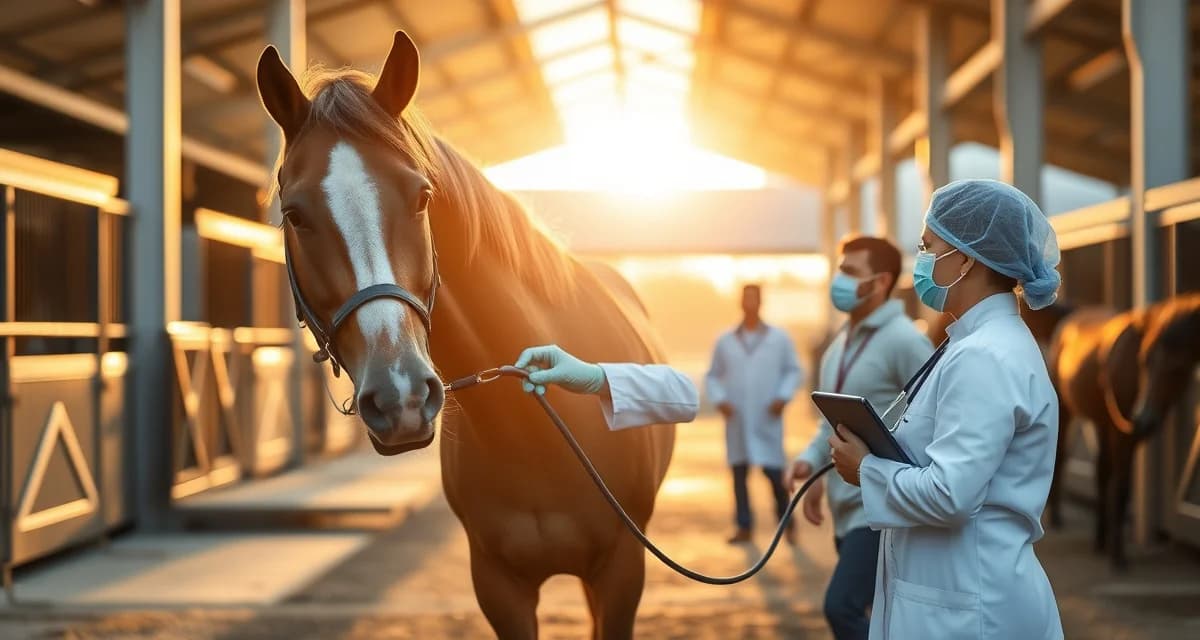
Day-to-Day Operations at an Equine Breeding Facility
The daily rhythm at a breeding facility is distinct from a boarding or training barn. The work is cyclical, tied to reproductive cycles and foaling seasons, and the stakes for missing something are high. A mare that cycles through without being detected, or a foal that does not nurse in the first two hours, creates consequences that no amount of catch-up effort can fully fix.
Morning Checks and Priority Observations
At a breeding facility, morning checks cover more ground than at a general boarding barn. You are not just looking for whether a horse ate and whether there are concerns. You are looking for specific reproductive and health signals.
For mares in the breeding program, morning is when you observe behavior, udder development, and any signs of estrus. Mares in late pregnancy get extra attention for foaling preparation indicators: udder filling, relaxation of the vulva, wax on the teats, and behavioral changes like restlessness or separating from herd mates.
For stallions, morning is when you assess attitude and general health before collection or teasing. A stallion that seems off, is not eating, or is showing unusual behavior gets flagged before anything reproductive is asked of him.
Document what you see every morning. This log becomes the baseline that lets you notice when something changes.
Teasing and Cycle Detection
If you are using live cover or planning insemination, teasing is part of the daily or every-other-day routine during breeding season. Teasing involves exposing mares to a stallion (often a teaser) and recording their behavioral response to identify receptive mares.
Keep a teasing log that records each mare, the date, the level of receptivity observed, and any notable behavior. This record feeds into the veterinary schedule. A mare that shows strong receptivity gets an ultrasound appointment to check follicle size and plan breeding timing.
Consistency matters. If teasing is done by a different person each day, observations become unreliable. Designate a primary person for teasing and establish clear criteria for what gets recorded as receptive, questionable, or not receptive.
Coordinating Veterinary Services
A busy breeding facility may have the vet on property multiple times per week during peak season. Coordinating these visits efficiently protects everyone's time.
Have a list ready before the vet arrives. Know which mares need ultrasound checks, which need post-breeding exams, and whether any foals need attention. If a mare looked questionable on teasing the day before, flag it for the vet's list.
After each vet visit, update your records with findings and recommendations. If the vet recommends a specific protocol for a mare, document it and assign a task to the appropriate staff member so it gets done. Do not rely on verbal handoff between shift workers.
BarnBeacon makes it easy to record vet visit notes and link them to specific horses, so the information is accessible to everyone involved in that horse's care rather than sitting in one person's memory.
Collection, Processing, and Shipping
If you collect and ship cooled semen, collection days have a defined workflow. The stallion is collected, semen is evaluated for motility and concentration, it is extended with the appropriate extender, packaged, and shipped via overnight courier.
The logistics around this are precise. Shipping containers need to be prepared, orders need to be placed with the courier before the cutoff, and the recipient farm needs to be contacted with shipping confirmation and tracking information. If any step is missed, the semen misses the mare's optimal breeding window and the chance is lost.
Maintain a shipping checklist and use it every collection day. Log each shipment with the stallion's name, collection date, recipient mare and farm, doses shipped, extender used, and tracking number. When a mare is reported pregnant or not pregnant, update the log with the outcome.
Foal Watch Rotation
As mares approach their foaling dates, foal watch becomes part of daily operations. Depending on your facility size, this may mean overnight checks every hour, a dedicated foal watch shift, or a camera system with an on-call person.
Post foaling procedures in the barn so any staff member present at a foaling knows what to do. This includes: note the time of birth, ensure the foal is breathing, allow natural delivery to complete if possible, monitor time to standing and first nursing, and call the vet if there are concerns.
After foaling, the first several hours are critical. Record when the foal first stands, when it first nurses successfully, and whether the mare passed her placenta within three hours. Retained placenta in a mare is an emergency.
Managing Staff During Peak Season
Breeding season concentrates work. During March through June, a breeding facility is typically running at maximum intensity with cycle checks, breeding, and foaling all happening simultaneously.
Barn staff management during this period requires clear shift assignments, written task lists, and a handoff protocol between morning and evening staff. Verbal handoff is fine as a supplement, but a written record ensures that critical information about a mare in late labor or a foal that did not nurse adequately does not get lost in a shift change.
Build your staffing plan before the season opens. Know who covers foal watch, who handles collection days, and who takes over when your primary reproductive staff is sick.
Daily Record Completion
At the end of each day, confirm that all critical records have been updated. This includes teasing logs, vet visit notes, shipping records, and any observations about horses that need monitoring. A daily record review takes fifteen minutes and prevents the kind of information loss that causes costly mistakes.
Pair this with your daily care logs to build a complete picture of what happened at the facility each day.
FAQ
What is Day-to-Day Operations at an Equine Breeding Facility?
Day-to-day operations at an equine breeding facility involve a structured routine built around reproductive cycles and foaling seasons. Unlike boarding or training barns, the work centers on monitoring mares for estrus signs, managing stallion health and collection schedules, overseeing late-pregnancy mares for foaling indicators, and maintaining detailed daily logs. Every morning check carries high stakes — missing a heat cycle or a foal's failure to nurse can have consequences that cannot be reversed later.
How much does Day-to-Day Operations at an Equine Breeding Facility cost?
Running an equine breeding facility is a significant financial commitment. Costs vary widely based on scale, staffing, veterinary services, and equipment, but operators typically budget for daily labor, reproductive veterinary care (ultrasound, semen evaluation, AI supplies), feed and bedding, farrier visits, and facility maintenance. Smaller operations may spend tens of thousands annually, while larger commercial facilities can run into six figures. Detailed record-keeping helps identify inefficiencies and control costs over time.
How does Day-to-Day Operations at an Equine Breeding Facility work?
The daily workflow at a breeding facility follows a consistent cycle tied to the reproductive calendar. Staff conduct morning checks on all horses, observing behavior, udder development, and estrus signals in mares. Stallions are assessed before any collection or teasing activity. Pregnant mares in late gestation are monitored closely for foaling signs. Observations are logged daily, creating a baseline that makes deviations easier to spot. Veterinary procedures, teasing sessions, and breeding activities are then scheduled around those findings.
What are the benefits of Day-to-Day Operations at an Equine Breeding Facility?
Structured daily operations improve conception rates, foal survival, and overall herd health. Consistent morning checks catch early signs of estrus, illness, or foaling onset before they become emergencies. Detailed logs help identify patterns across seasons, improving breeding timing decisions. Proactive stallion monitoring prevents reproductive strain or injury. For foaling mares, early detection of labor signs means staff can be present at delivery, dramatically improving outcomes for both mare and foal.
Who needs Day-to-Day Operations at an Equine Breeding Facility?
Any owner, manager, or farm hand working at an equine breeding operation needs to understand these daily protocols. This includes professional breeding farm staff, small-scale private breeders, veterinary technicians supporting reproductive programs, and barn managers transitioning from boarding or training facilities into breeding management. The routines described also benefit anyone responsible for a single pregnant mare, since the core observation principles apply regardless of herd size.
How long does Day-to-Day Operations at an Equine Breeding Facility take?
Daily operations at a breeding facility are ongoing throughout the year, but intensity peaks with the breeding season (typically February through June in the Northern Hemisphere) and foaling season. Morning checks take 30 minutes to several hours depending on herd size. Individual tasks like teasing, ultrasound monitoring, or foaling watch can extend into overnight shifts. The cumulative daily commitment over a breeding season is substantial, requiring consistent staffing and clear protocols to avoid gaps in observation.
What should I look for when choosing Day-to-Day Operations at an Equine Breeding Facility?
Look for a facility with documented daily protocols, experienced staff who can read subtle behavioral and physical cues in horses, and a clear system for logging observations. Ask about veterinary relationships and response times for reproductive emergencies. Evaluate foaling watch procedures, stallion management practices, and how records are maintained across seasons. A well-run operation treats documentation as a core function, not an afterthought, and can show you historical breeding and foaling records as evidence of consistent management.
Is Day-to-Day Operations at an Equine Breeding Facility worth it?
For anyone serious about equine breeding outcomes, investing in structured daily operations is essential, not optional. The margin for error is narrow — a missed estrus cycle or an unattended foaling can mean lost foals, reduced conception rates, or compromised mare health. The routines outlined here represent the minimum viable standard for responsible breeding management. Whether you manage a large commercial operation or a single broodmare, the return on disciplined daily observation far outweighs the time and effort required.