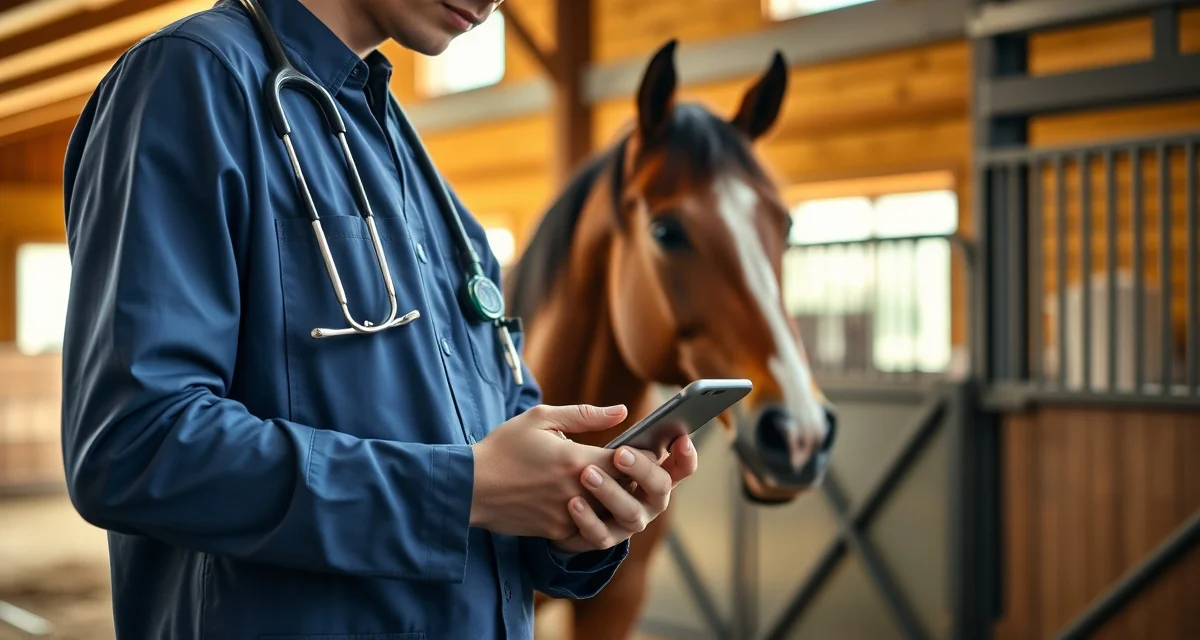
Emergency Owner Notifications: How to Communicate During a Horse Health Crisis
When a horse has a colic episode at 11 p.m., sustains an injury in turnout, or shows acute signs of illness, two things need to happen simultaneously: appropriate first response and owner notification. The owner notification process is one that many facilities handle inconsistently, which creates problems when it matters most.
Why Emergency Notification Protocols Matter
Clear emergency notification protocols protect your facility and your client relationship. Owners expect to be contacted immediately when something serious happens with their horse. A delay in notification, even if the horse is being appropriately treated, can seriously damage trust and create legal exposure.
Conversely, a panic call with incomplete information creates additional stress and rarely helps the situation. The goal is fast notification with useful information and a clear path for the owner to follow.
What Every Emergency Notification Should Include
The Facts
- What happened or what was observed
- When it was discovered
- Current condition of the horse
- What has already been done
The Plan
- Whether a veterinarian has been or is being contacted
- What the veterinarian's instructions are (if already contacted)
- What the immediate next steps are
What You Need from the Owner
- Authorization for treatment (if not pre-authorized in the boarding agreement)
- Any additional information about the horse's history that is relevant
- How they want to be kept updated
Setting Up Notification Protocols in Advance
The worst time to figure out your emergency notification process is during an emergency. Set up your protocols before you need them.
Collect Complete Contact Information
Every horse owner should have a primary phone number, a secondary phone number (ideally a different person), and an email address on file. Collect this information during the boarding intake process and verify it annually.
Know Your Authorization Levels
Your boarding agreement should specify what level of veterinary treatment you are authorized to pursue without direct owner authorization. This is typically covered in the emergency veterinary care clause. Know what your agreement says before an emergency happens.
Document Your Protocol
Write down your emergency notification procedure and share it with all staff. The procedure should cover:
- Who to call first (always the primary owner contact)
- What information to gather before calling
- What to say if the owner does not answer
- When to call the emergency veterinary contact
- How to document the notification and any response
Managing the Communication After Initial Contact
Emergency situations often evolve over several hours. After the initial notification, establish a clear update cadence with the owner so they know when to expect the next update and are not calling your staff every 15 minutes for status.
A simple approach: "I will call you with an update every hour, or immediately if anything changes significantly." This gives the owner confidence that they will be informed without creating a situation where your staff is fielding constant calls while also managing a health emergency.
All notifications, responses, and updates should be documented in the horse's horse health logs with timestamps. This documentation protects your facility if a dispute arises later and gives the veterinarian a complete communication timeline.
When Owners Are Unreachable
Occasionally, you will be unable to reach a horse owner during an emergency. Your boarding agreement should authorize you to pursue emergency veterinary treatment when the owner cannot be reached within a defined time frame, such as 30 minutes.
Make a record of every attempt to contact the owner: time of attempt, method used (phone, text, email), and result. This documentation demonstrates that you made a good-faith effort to notify the owner before proceeding with treatment.
Have a secondary emergency contact for every horse, typically a trainer, family member, or other designated person who can provide authorization if the primary owner is unreachable.
Emergency Notifications Through BarnBeacon
BarnBeacon's horse owner portal supports direct messaging to horse owners and emergency contact logging so your notification records are stored alongside the horse's health records. The owner's emergency contact information is always accessible from the horse's profile during a crisis, so you are never searching through a separate contact list when seconds matter.
Connect your emergency notification protocol to your emergency vet protocols documentation so that all emergency procedures are in one place, accessible to any staff member who needs them.
FAQ
What is Emergency Owner Notifications: How to Communicate During a Horse Health Crisis?
Emergency owner notification protocols are structured systems barn managers use to communicate horse health crises to owners quickly and clearly. When a horse experiences colic, injury, or sudden illness, these protocols guide staff on what information to gather, who to contact first, and how to deliver updates. A good protocol balances speed with accuracy, ensuring owners receive actionable information rather than panicked, incomplete calls that add confusion during an already stressful situation.
How much does Emergency Owner Notifications: How to Communicate During a Horse Health Crisis cost?
Implementing an emergency notification protocol costs nothing beyond staff time to develop and train on it. Barn management software platforms like BarnBeacon that include built-in communication tools typically range from $30–$150 per month depending on herd size and features. The real cost of not having a protocol is far higher: damaged client relationships, potential legal liability, and the stress of improvising communication during a crisis when clear thinking is already difficult.
How does Emergency Owner Notifications: How to Communicate During a Horse Health Crisis work?
When an emergency is identified, staff follow a pre-established sequence: assess the horse's condition, initiate first response, then immediately contact the owner using a documented preferred contact method. The notification includes what happened, when it was discovered, the horse's current state, and what steps are already underway. If a vet has been called, that's communicated too. Follow-up updates are sent at regular intervals until the owner arrives or the situation stabilizes.
What are the benefits of Emergency Owner Notifications: How to Communicate During a Horse Health Crisis?
Structured emergency notifications protect both the facility and the client relationship. Owners feel respected and informed rather than blindsided. Barn managers reduce legal exposure by documenting that owners were contacted promptly. Staff feel confident knowing exactly what to do under pressure. Clear communication also reduces the volume of anxious follow-up calls from owners, freeing staff to focus on the horse. Overall, it builds the trust that keeps long-term boarding relationships intact.
Who needs Emergency Owner Notifications: How to Communicate During a Horse Health Crisis?
Any facility that boards horses, operates a training program, or manages horses on behalf of owners needs emergency notification protocols. This includes private boarding barns, show barns, breeding operations, therapeutic riding centers, and equine rescues. If your staff are ever responsible for a horse that belongs to someone else, you need a clear plan for how and when to reach that person during a health crisis, regardless of barn size.
How long does Emergency Owner Notifications: How to Communicate During a Horse Health Crisis take?
A single emergency notification call or message takes only a few minutes when you have the right information ready. Building the protocol itself typically takes a few hours of planning and team review. Onboarding new staff to the system adds brief training time per hire. In the moment, a well-practiced protocol saves time compared to improvising — staff spend less time deciding what to say and more time focused on the horse's care.
What should I look for when choosing Emergency Owner Notifications: How to Communicate During a Horse Health Crisis?
Look for protocols that specify primary and backup contact methods for each owner, a clear threshold for what constitutes an emergency requiring immediate notification, a standardized message format covering facts and next steps, and a documentation process for logging all communications. The best systems also include escalation paths when an owner cannot be reached and integrate with whatever tools your barn already uses, whether that's a group chat, a management app, or a simple written binder.
Is Emergency Owner Notifications: How to Communicate During a Horse Health Crisis worth it?
Yes. A clear emergency notification system is one of the highest-value investments a barn can make in its client relationships and risk management. Horses are emotionally and financially significant to their owners. How you communicate during a crisis is often remembered more than the crisis itself. Facilities that notify promptly, communicate clearly, and follow up consistently earn lasting trust. Those that don't — even if they handled the horse correctly — frequently lose clients or face disputes.