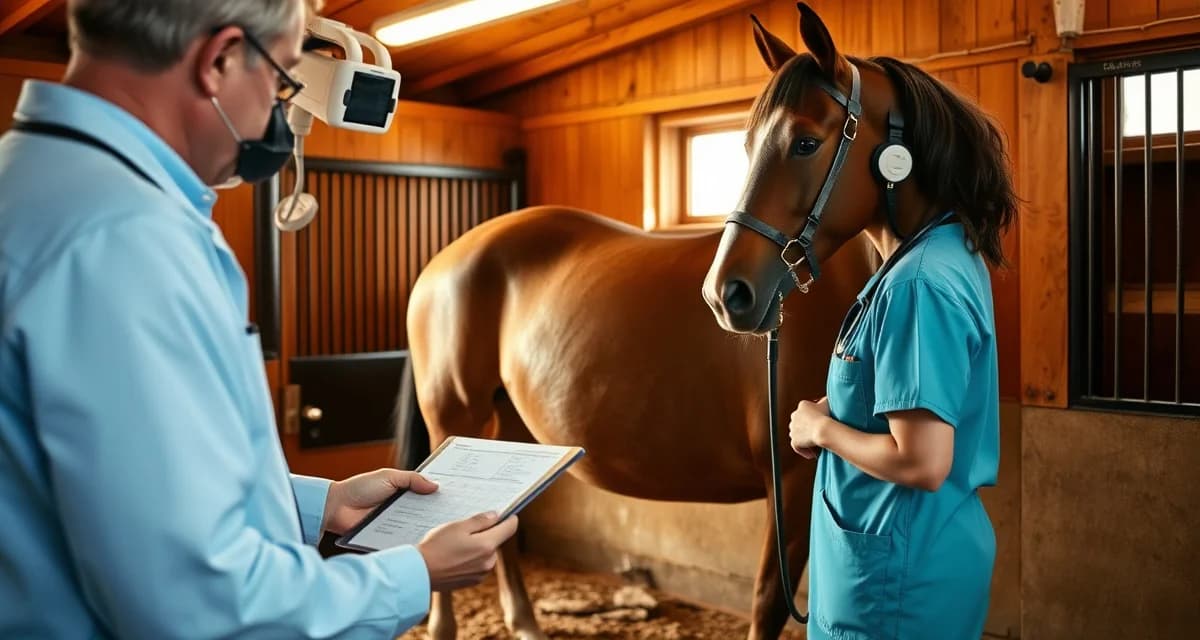
Foaling Schedule Management: Preparation, Foal Watch, and Post-Foaling Care
Foaling is one of the highest-stakes events in an equine operation. Most mares foal without complication and need minimal intervention. But the complications that do arise, from dystocia to rejection to failure of passive transfer, can be fatal to the foal and dangerous to the mare if not responded to quickly. A well-organized foaling program reduces those risks through preparation, vigilant monitoring, and clear protocols for when and how to intervene.
Pre-Foaling Preparation
Preparation for foaling begins weeks before the expected due date. The average equine gestation is approximately 340 days, but normal range extends from 320 to 370 days. A mare who foals at 315 days is early. A mare who foals at 375 days is late but still within normal range for some individuals. Know each mare's typical gestation history if available.
Foaling stall: Prepare a foaling stall that is significantly larger than a standard stall (16x16 feet minimum, 20x20 preferred). It should be well-bedded with straw rather than shavings to reduce aspiration risk and wrapped wire around the lower walls to prevent a foal from getting a leg caught.
Signs of approaching foaling: Waxing of teats (waxy accumulation at teat ends, typically 24-48 hours before foaling), relaxation of the perineum and vulva, milk letdown, sweating, restlessness, and frequent lying down. Some mares show every sign. Some show none until they are actively in labor.
Pre-foaling veterinary preparation: Confirm foaling kit contents with your veterinarian. At minimum: clean towels, iodine or chlorhexidine for navel dipping, enema for the foal, and emergency contact numbers.
Foal Watch Protocols
Foal watch is the practice of monitoring a mare around the clock in the final weeks of pregnancy. Most mares foal at night, between 11pm and 4am. This evolutionary habit was protective in the wild but inconvenient for humans who need to monitor them.
Foal watch systems range from in-person barn checks every 30 minutes to electronic monitoring. Options include:
Camera monitoring: A camera in the foaling stall with remote access allows monitoring without being physically in the barn at all times. The limitation is that someone needs to be actively watching.
Foaling alarms: Alarms that attach to the mare's halter or are placed vaginally detect the specific positioning of foaling and alert the handler. These are the most reliable automated systems but require proper fitting and familiarity.
Stall door sensors: Motion sensors or break-beam sensors that alert when a mare lies down frequently. Less specific than foaling alarms but simpler to manage.
Whatever system is used, define who is responsible for each overnight watch period and what their protocol is: when they check, what they do if they observe signs of imminent foaling, who they call.
During Foaling
The normal foaling sequence progresses from water sac rupture to foal delivery in approximately 20 to 30 minutes. If a mare is actively straining for more than 15 to 20 minutes without progress, or if the foal is not presented correctly (front hooves and nose in the diving position), call the veterinarian immediately. Do not wait and see.
Most uncomplicated foalings require only quiet observation. The temptation to assist is strong but usually counterproductive if things are progressing normally.
Post-Foaling Documentation
Immediately after foaling, document:
- Foaling date and time
- Delivery type: unassisted, assisted, or veterinary assistance required
- Time to first stand and first nursing
- Passage of meconium (first manure)
- Mare's behavior toward the foal (accepting or showing signs of rejection)
- Placenta passed within 3 hours (retained placenta is an emergency)
At 18 to 24 hours, an IgG (immunoglobulin G) test confirms adequate passive transfer from the mare's colostrum. A foal with inadequate IgG levels needs veterinary intervention immediately.
BarnBeacon allows you to record all of this foaling documentation within the mare's record and create a new record for the foal at birth. For breeding records that connect to foaling outcomes, see equine breeding records. For the health records that begin at foal birth, see equine health records.
FAQ
What is Foaling Schedule Management: Preparation, Foal Watch, and Post-Foaling Care?
Foaling schedule management is a structured approach to preparing for, monitoring, and responding to mare births in an equine operation. It covers pre-foaling stall preparation, recognizing signs of imminent labor, maintaining foal watch rotations, and executing post-foaling protocols. The goal is to reduce risk for both mare and foal by ensuring the right people, supplies, and procedures are in place before complications arise—not after.
How much does Foaling Schedule Management: Preparation, Foal Watch, and Post-Foaling Care cost?
Foaling management itself has no fixed cost, but the investment includes prepared foaling stalls, monitoring equipment like foaling alarms or camera systems, veterinary call fees for complications, and staff time for overnight foal watch. Operations that skip preparation often pay far more in emergency vet bills, foal loss, or mare injury. Budgeting proactively for supplies, vet relationships, and labor is far less expensive than reacting to a crisis.
How does Foaling Schedule Management: Preparation, Foal Watch, and Post-Foaling Care work?
A foaling management program works by establishing clear timelines and protocols before foaling season begins. Mares are moved to foaling stalls as their due dates approach, monitored for physical signs like waxing teats and vulvar relaxation, and watched around the clock during the final days. When foaling begins, staff follow defined steps: confirm presentation, time the stages of labor, assist only when necessary, and complete post-foaling checks for the foal and mare.
What are the benefits of Foaling Schedule Management: Preparation, Foal Watch, and Post-Foaling Care?
A structured foaling program improves outcomes for both mare and foal by catching complications early—dystocia, failure of passive transfer, or mare rejection—when intervention is still effective. It reduces staff stress by replacing guesswork with clear protocols. It also protects the investment in breeding programs by improving live foal rates and reducing preventable losses. Operations with organized programs consistently report fewer emergency calls and better foal survival rates.
Who needs Foaling Schedule Management: Preparation, Foal Watch, and Post-Foaling Care?
Any equine operation that breeds mares needs foaling management protocols. This includes private breeding farms, stallion stations, sport horse operations, and individual owners with even one pregnant mare. The stakes are high regardless of herd size—a single unattended foaling can result in a lost foal or injured mare. Smaller operations may rely more on veterinarian partnerships and foaling alarms, but the core framework applies universally.
How long does Foaling Schedule Management: Preparation, Foal Watch, and Post-Foaling Care take?
The foaling process itself typically spans one to three hours from the start of active labor to placental passage. However, foaling management is a seasonal commitment that begins six to eight weeks before the first due date and continues through post-foaling monitoring. Foal watch often runs nightly for weeks. Planning for IgG testing at 12–24 hours post-foaling, colostrum intake monitoring, and mare milk letdown extends the active management window well past birth.
What should I look for when choosing Foaling Schedule Management: Preparation, Foal Watch, and Post-Foaling Care?
When building a foaling management program, prioritize clear protocols over improvisation. Look for documented procedures covering stall specs, foaling stage timing, intervention thresholds, and post-foaling checks. Ensure you have an established veterinary relationship with after-hours availability. Evaluate monitoring technology—foaling alarms and stall cameras are worth the cost. For managed boarding operations, review how foaling watch staffing is handled and whether the foaling stall meets minimum size and safety standards.
Is Foaling Schedule Management: Preparation, Foal Watch, and Post-Foaling Care worth it?
Yes, for any operation that foals mares, a structured management program is worth every resource invested. The cost of a lost foal—financially and emotionally—far exceeds the cost of preparation. More importantly, most foaling complications are survivable with fast, appropriate response. Without a plan, even experienced horse people can miss critical windows. A well-run foaling program turns high-stakes uncertainty into a manageable, repeatable process with consistently better outcomes.