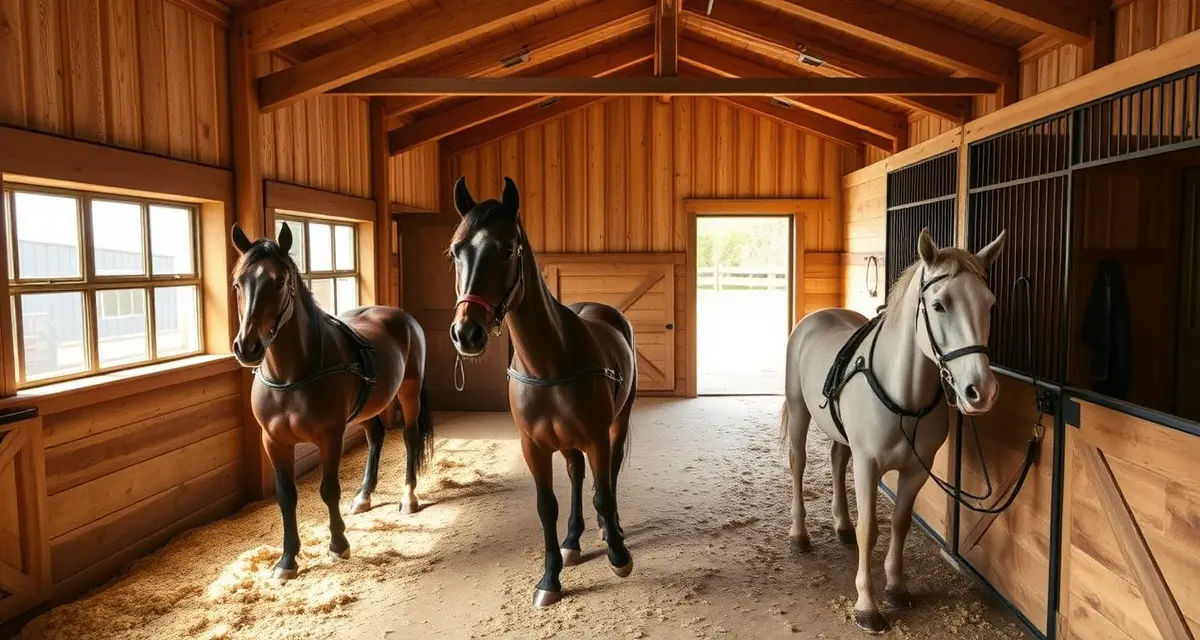
Gaited Horse Barn Operations: Managing Tennessee Walkers, Paso Finos, and Missouri Foxtrotters
Gaited horse barns serve a passionate and loyal segment of the equestrian community. The breeds differ significantly in temperament, training tradition, physical care requirements, and competition culture, but they share some operational characteristics that distinguish gaited facilities from conventional hunter-jumper or dressage barns. Understanding those distinctions is what makes a barn work well for its clientele.
Breed-Specific Care Considerations
Tennessee Walking Horses have a strong presence in two very different worlds: the natural horse movement and the performance show horse industry. Facilities serving performance TWH clients will encounter horses with weighted shoes, action devices, and training methods specific to the Big Lick show horse tradition. These horses require specific farrier expertise, specific grooming protocols, and an understanding of the regulatory environment (including USDA inspections at some shows). Facilities serving natural TWH clients will encounter horses in much lighter shoeing and a very different training approach. Know your client base and be prepared to serve it without judgment, but also be clear about what your facility does and does not accommodate.
Paso Finos are typically smaller horses with high energy and a smooth lateral gait that makes them extremely comfortable to ride at all speeds. They tend to be hardy horses that maintain weight well, but they are also sensitive to cold more than some larger breeds. Their hooves grow well and they are often kept barefoot or in very light shoeing. Paso Fino shows have specific gait requirements and the community has its own culture around fino fino gait quality that is the competitive holy grail for enthusiasts.
Missouri Fox Trotters are trail horses first. They are bred for soundness, endurance, and a comfortable rhythmic foxtrot that makes all-day trail riding pleasant. MFT clients are typically oriented toward trail and competitive trail riding rather than arena showing, which means their facility needs differ from arena-focused disciplines. Ample turnout, trail access, and the ability to safely haul to trail destinations matter more than covered arena time.
Rocky Mountain Horses, Kentucky Mountain Horses, and Spotted Mountain Horses share the ambling gait and comfortable temperament of other gaited breeds and are popular in the Southeast. They are often easy keepers who thrive on forage with minimal grain.
Farrier Expertise
Farrier selection is more important at a gaited horse barn than at many other facility types. Performance gaited horse showing involves specialty shoeing that requires a farrier with specific knowledge of the breeds and show requirements. Natural gaited horse owners often have strong opinions about shoeing philosophy. Either way, finding a farrier with gaited horse experience and matching them to your client base is worth the extra search effort.
Maintain clear communication between farrier, trainer, and owner about shoeing decisions, because shoeing changes directly affect gait quality and the owner's satisfaction with their horse's performance.
Training Programs for Gaited Horses
Not all trainers who work well with conventional horses have expertise with gaited horses. The training principles overlap but the specific techniques for developing and maintaining gait quality are distinct. A trainer advertising gaited horse training should be able to demonstrate their background and client results with the specific breeds you serve.
If your facility offers training for gaited horses, clearly specify which breeds and disciplines the trainer has experience with. A trainer skilled with Paso Finos may not be the right fit for Tennessee Walkers, and vice versa.
Show Preparation
Gaited horse shows range from local breed club shows to nationally recognized events. Show preparation for competitive clients includes the standard health documentation requirements (Coggins, health certificate for out-of-state travel) plus whatever breed or show-specific requirements apply. Some TWH shows require USDA inspection preparation. Some Paso Fino shows have very specific equipment requirements. Know the requirements relevant to your competitive clients.
BarnBeacon tracks health documentation and vaccination records for all horses regardless of breed, supporting show prep compliance across any discipline. For standard health compliance documentation, see equine health compliance. For show scheduling logistics, see equine show scheduling.
The gaited horse community is close-knit and word of mouth travels quickly. A facility that understands the breeds and provides knowledgeable, respectful care will build a loyal client base.
FAQ
What is Gaited Horse Barn Operations: Managing Tennessee Walkers, Paso Finos, and Missouri Foxtrotters?
Gaited Horse Barn Operations: Managing Tennessee Walkers, Paso Finos, and Missouri Foxtrotters is a comprehensive guide to running a barn that specializes in gaited horse breeds. It covers breed-specific care, farriery, training traditions, facility requirements, and client management across three distinct gaited breeds. The article helps barn managers and facility owners understand how gaited horse operations differ from conventional hunter-jumper or dressage barns and how to serve this passionate equestrian community effectively.
How much does Gaited Horse Barn Operations: Managing Tennessee Walkers, Paso Finos, and Missouri Foxtrotters cost?
Running a gaited horse barn involves the same baseline costs as any equine facility — feed, bedding, farriery, veterinary care, and staffing — but with some breed-specific additions. Performance Tennessee Walkers may require specialized farriers familiar with weighted shoeing. Paso Finos and Missouri Foxtrotters generally have more conventional shoeing costs. Budget for breed-specific training expertise and, if serving show clients, familiarity with competition regulations. Overall costs vary widely by region, services offered, and the client base you serve.
How does Gaited Horse Barn Operations: Managing Tennessee Walkers, Paso Finos, and Missouri Foxtrotters work?
A gaited horse barn operates by tailoring its care protocols, farriery relationships, training programs, and facility layout to the specific needs of gaited breeds. This means understanding each breed's gait mechanics, temperament, and show culture. Staff learn breed-appropriate handling and grooming. Farriers with relevant expertise are retained. Training areas and footing are selected to support natural gait development. Client communication is built around the distinct traditions and expectations of gaited horse owners.
What are the benefits of Gaited Horse Barn Operations: Managing Tennessee Walkers, Paso Finos, and Missouri Foxtrotters?
Specializing in gaited horse barn operations allows you to serve a loyal, underserved segment of the equestrian market with real expertise rather than generalist care. Clients benefit from staff who understand their breeds, farriers who know the shoeing requirements, and a facility culture that respects gaited traditions. For barn owners, specialization can reduce client turnover, build reputation within tight-knit gaited communities, and create a differentiated business in competitive boarding markets.
Who needs Gaited Horse Barn Operations: Managing Tennessee Walkers, Paso Finos, and Missouri Foxtrotters?
Gaited horse barn operations knowledge is essential for any barn owner, manager, or equine professional who boards, trains, or competes gaited breeds. This includes facilities serving Tennessee Walking Horse clients in either the natural or performance show tradition, Paso Fino enthusiasts, or Missouri Foxtrotter owners. It is also valuable for veterinarians, farriers, and barn staff who work regularly with these breeds and want to provide more informed, breed-appropriate care.
How long does Gaited Horse Barn Operations: Managing Tennessee Walkers, Paso Finos, and Missouri Foxtrotters take?
There is no fixed timeline for mastering gaited horse barn operations — it is an ongoing process built through experience, client relationships, and breed community involvement. Setting up core protocols for a new gaited-focused facility typically takes several months. Building the farrier relationships, staff training, and reputation within local gaited horse communities can take one to two years. Serving performance show clients with regulatory requirements adds additional preparation time before your first show season.
What should I look for when choosing Gaited Horse Barn Operations: Managing Tennessee Walkers, Paso Finos, and Missouri Foxtrotters?
When evaluating a gaited horse facility or developing your own operational approach, look for genuine breed knowledge rather than generic equine care. Assess whether the barn understands the differences between natural and performance TWH traditions, whether farriers on call have gaited-specific experience, and whether training philosophy aligns with the breed. For boarding clients, check that footing, stall sizing, and turnout arrangements suit smaller or more energetic breeds like Paso Finos.
Is Gaited Horse Barn Operations: Managing Tennessee Walkers, Paso Finos, and Missouri Foxtrotters worth it?
Yes — if you serve or plan to serve gaited horse clients, investing in breed-specific operational knowledge is clearly worth it. Gaited horse owners are deeply connected to their breed communities and quick to recommend facilities that truly understand their horses. Getting the details right — from shoeing protocols to show culture awareness — builds loyalty and word-of-mouth referrals that generic equine expertise cannot match. The operational investment pays off through stronger client retention and a well-earned reputation.