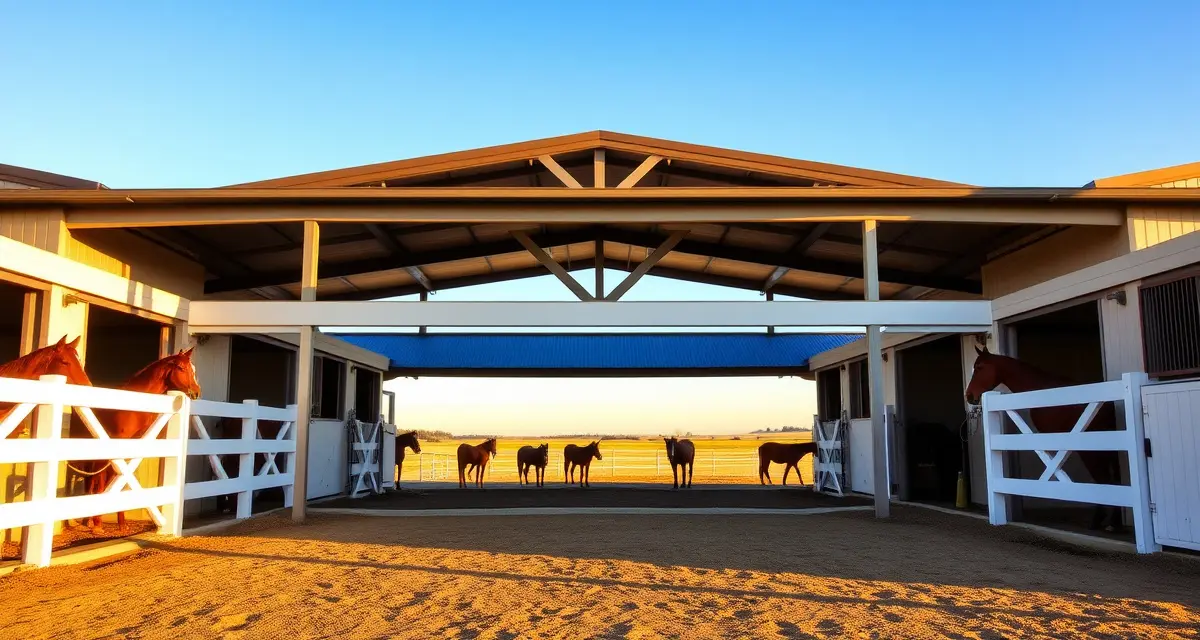
Running a Horse Boarding Business in Idaho: Guide for Barn Owners
Horse boarding is a $4B+ industry across the United States, and Idaho's strong rural culture, growing population, and active equestrian community make it one of the more viable markets in the West. Whether you're running a small backyard barn or a full-service facility near Boise or Twin Falls, the fundamentals of a profitable horse boarding business in Idaho come down to pricing, compliance, and operations.
TL;DR
- Horse boarding in Idaho carries startup costs of $150,000 to $400,000+ for a 10-stall operation before a single horse arrives
- Full care boarding rates vary by region; pricing must cover feed, bedding, labor, insurance, and maintenance with margin for vacancies
- Break-even planning should assume 70% occupancy or less; most barns take four to five months to reach stable occupancy
- Labor is the most consistently underestimated operating expense, often running 40% higher than initial projections
- A 90-day cash reserve is a practical minimum for any new boarding operation
- Digital barn management software reduces administrative labor by hours per week and improves billing accuracy from day one
This guide covers what Idaho barn owners actually need to know.
Idaho's Boarding Market: What You're Working With
Idaho has a high rate of horse ownership relative to its population, particularly in counties like Ada, Canyon, Cassia, and Twin Falls. Demand for boarding tends to outpace supply in suburban-rural transition zones where landowners are selling off acreage.
That gap is an opportunity, but only if your operation is structured correctly from day one.
Licensing and Legal Requirements for Idaho Boarding Barns
Idaho does not require a specific "horse boarding license" at the state level, but that doesn't mean you operate without oversight. Here's what applies to most Idaho boarding operations:
- Business registration: Register your business with the Idaho Secretary of State. An LLC structure is common and provides liability separation.
- Zoning and land use: Check with your county planning department. Agricultural zoning typically permits boarding, but commercial boarding operations may require a conditional use permit.
- Water rights: If you're drawing from a well or irrigation source, confirm your water rights cover livestock use.
- Sales tax: Idaho charges sales tax on some boarding-related services. Consult an Idaho CPA familiar with agricultural businesses.
A well-drafted boarding contract is your most important legal document. It should cover liability waivers, care standards, payment plans, and what happens if a horse owner defaults. Idaho courts have upheld agister's lien rights, which gives you legal recourse if a client doesn't pay.
How to Price Horse Boarding in Idaho
Boarding rates in Idaho vary significantly by region and service level. Full-care boarding in the Treasure Valley (Boise metro) typically runs $400 to $700 per month. Pasture board in more rural areas can be as low as $150 to $250 per month.
When setting your rates, factor in:
- Feed and hay costs: Idaho hay prices fluctuate seasonally. Build in a buffer or include a fuel/feed surcharge clause in your contract.
- Labor: Even if you're owner-operated, price your time. Many barn owners undercharge because they don't account for their own hours.
- Facility overhead: Mortgage or lease, utilities, insurance, and maintenance should be divided across your stall count.
- Add-on services: Blanketing, turnout schedule, and medication administration are revenue opportunities that many barns leave on the table.
Review your rates at least annually. If your waitlist is long, your prices are probably too low.
How many horses do I need to board to be profitable in Idaho?
Break-even depends on your fixed costs and board rate. A rough rule is that you need occupancy at or above 70% of capacity to cover overhead. In Idaho, full care board rates range widely by region; model your break-even before setting your rate rather than pricing against local competition and hoping the math works.
What insurance does a boarding barn need in Idaho?
Most boarding operations in Idaho need commercial general liability insurance, care custody and control coverage for boarded horses, and property insurance for structures and equipment. Equine-specific insurance brokers are familiar with Idaho requirements and can structure coverage that matches the actual risks of a boarding operation.
Related Articles
FAQ
What is Running a Horse Boarding Business in Idaho: Guide for Barn Owners?
Running a horse boarding business in Idaho means providing stabling, feed, care, and facilities for horse owners who lack their own land or infrastructure. Idaho's rural culture and active equestrian community support demand across the Treasure Valley, Magic Valley, and beyond. Operations range from small backyard barns with a handful of stalls to full-service facilities offering training, arenas, and trail access. The business combines livestock management, customer service, and property operations under one roof.
How much does Running a Horse Boarding Business in Idaho: Guide for Barn Owners cost?
Startup costs for a 10-stall Idaho boarding operation typically run $150,000 to $400,000 before the first horse arrives, covering construction, fencing, water systems, feed storage, and equipment. Ongoing monthly expenses include feed, bedding, labor, insurance, and maintenance. Full care boarding rates vary by region and service level. New operators should maintain a minimum 90-day cash reserve and build pricing models that cover all costs at 70% occupancy or lower.
How does Running a Horse Boarding Business in Idaho: Guide for Barn Owners work?
Horse boarding works by charging horse owners a monthly fee in exchange for stabling, daily feeding, stall cleaning, turnout, and basic care. Idaho barn owners typically offer tiered service levels—pasture board, partial care, and full care—each priced differently. Revenue depends on occupancy rates and ancillary services like training or arena rentals. Digital barn management software streamlines billing, scheduling, and client communication, reducing administrative hours significantly from the start.
What are the benefits of Running a Horse Boarding Business in Idaho: Guide for Barn Owners?
A well-run Idaho boarding barn provides steady recurring revenue, strong community ties within the local equestrian market, and the opportunity to build a business around land you already own or operate. Benefits include predictable monthly income from contracts, potential for service expansion into lessons or training, and appreciation of the underlying real estate. Idaho's growing population and rural character support long-term demand in markets like the Treasure Valley and surrounding areas.
Who needs Running a Horse Boarding Business in Idaho: Guide for Barn Owners?
This guide is for anyone considering or currently operating a horse boarding facility in Idaho—from hobby farmers converting an existing barn to entrepreneurs building a purpose-built equine facility. It's especially relevant for operators near Boise, Twin Falls, or other growth corridors where demand is rising. Anyone who has underestimated labor, pricing complexity, or occupancy risk will find the financial modeling and compliance guidance directly applicable to their situation.
How long does Running a Horse Boarding Business in Idaho: Guide for Barn Owners take?
Reaching stable occupancy typically takes four to five months for a new Idaho boarding operation. Full profitability depends on achieving consistent 70%+ occupancy, controlling labor costs—which routinely run 40% higher than initial projections—and managing seasonal fluctuations. Building a client base through local equestrian networks, shows, and word of mouth accelerates the timeline. Operators who price correctly from day one and invest in management software tend to reach break-even faster than those who adjust reactively.
What should I look for when choosing Running a Horse Boarding Business in Idaho: Guide for Barn Owners?
When evaluating whether to open or improve a horse boarding operation in Idaho, prioritize location relative to your target clientele, water access and quality, zoning and agricultural use compliance, and realistic labor capacity. Assess whether your pricing covers feed, bedding, labor, insurance, and maintenance with a margin at less than full occupancy. Look for facilities with adequate turnout, drainage, and expansion room. Choosing the right management software early reduces billing errors and saves hours of administrative work each week.
Is Running a Horse Boarding Business in Idaho: Guide for Barn Owners worth it?
For the right operator with realistic financial projections and appropriate land, horse boarding in Idaho is a viable business. The $4B+ national industry has strong regional footing in Idaho given its equestrian culture and rural infrastructure. Success depends on disciplined pricing, occupancy planning at 70% or below, and accounting for labor as your largest variable cost. Operators who treat it as a serious business rather than a lifestyle supplement—and use tools to manage it efficiently—consistently outperform those who don't.
Sources
- American Association of Equine Practitioners (AAEP)
- American Horse Council
- Kentucky Equine Research
- UC Davis Center for Equine Health
- American Horse Council Economic Impact Study
Get Started with BarnBeacon
Running a profitable boarding barn in Idaho requires more than good horsemanship. The administrative side, billing, client communication, health records, and staff coordination, determines whether your margins hold as you scale. BarnBeacon gives Idaho barn owners the operational infrastructure to run the business side as professionally as the care side. Start a free trial with your first month's data and see where the gaps are.