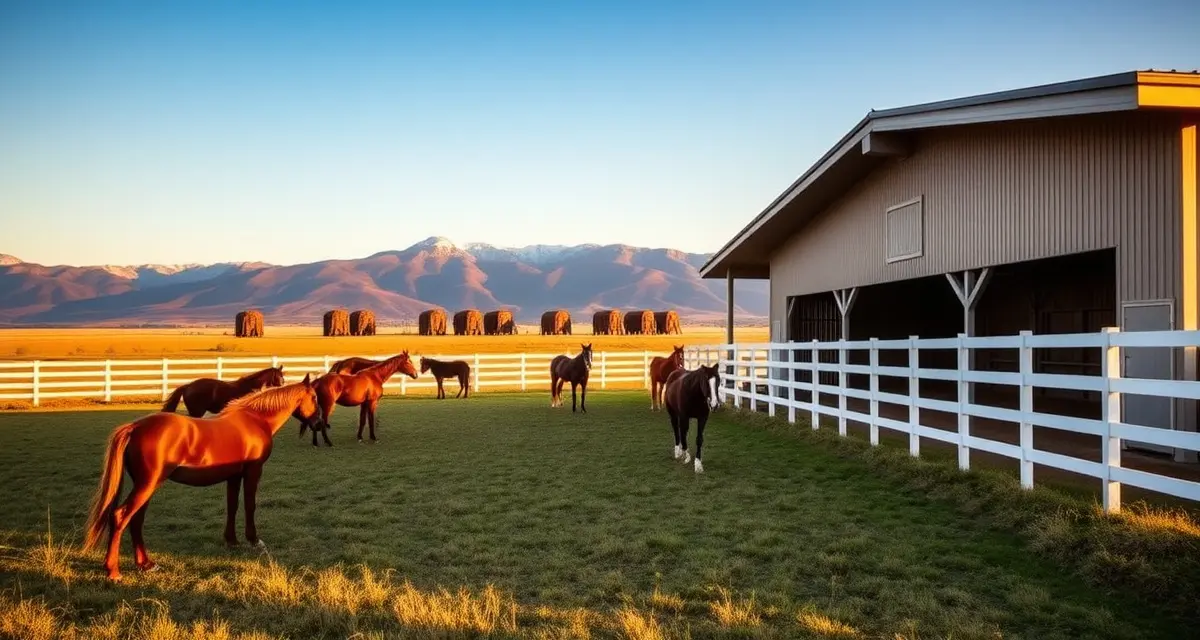
Running a Horse Boarding Business in Montana: Guide for Barn Owners
Horse boarding is a $4B+ industry across the United States, and Montana's wide-open terrain, strong ranching culture, and growing equestrian community make it one of the more active markets in the West. Whether you're running a small private barn outside Bozeman or a full-service facility near Billings, the fundamentals of a profitable horse boarding business in Montana come down to three things: legal compliance, smart pricing, and efficient operations.
TL;DR
- Horse boarding in Montana carries startup costs of $150,000 to $400,000+ for a 10-stall operation before a single horse arrives
- Full care boarding rates vary by region; pricing must cover feed, bedding, labor, insurance, and maintenance with margin for vacancies
- Break-even planning should assume 70% occupancy or less; most barns take four to five months to reach stable occupancy
- Labor is the most consistently underestimated operating expense, often running 40% higher than initial projections
- A 90-day cash reserve is a practical minimum for any new boarding operation
- Digital barn management software reduces administrative labor by hours per week and improves billing accuracy from day one
What Montana Barn Owners Need to Know Before Taking on Boarders
Montana doesn't require a specific "horse boarding license," but that doesn't mean you can operate without paperwork. You'll need to register your business with the Montana Secretary of State, collect a sales tax ID if you're selling feed or supplies, and comply with county zoning regulations that vary significantly between Gallatin, Yellowstone, and Flathead counties.
Liability insurance is non-negotiable. Most Montana barn owners carry a minimum of $1M in general liability coverage, and many lenders or landlords require it before you open. Equine-specific policies through carriers like Markel or USAA Equine cover scenarios that standard farm policies miss, including horse-on-horse injury and boarder accidents on your property.
A signed boarding contract protects both parties. Montana follows equine activity liability statutes under MCA 27-1-727, which limits your liability for inherent risks of equine activity, but only if boarders have signed an appropriate release. Don't skip this step.
Pricing Horse Boarding in Montana
Rates vary by region and service level. Full-care boarding in the Bozeman and Missoula markets typically runs $400 to $700 per month. Pasture board in more rural areas can be as low as $150 to $250 per month. Partial care falls in between, usually $275 to $450 depending on what's included.
When setting your rates, account for:
- Feed and bedding costs, which have increased 20-30% since 2021 in many Montana counties
- Labor, including daily feeding, stall cleaning protocols, and turnout
- Facility overhead, including water, electricity, and equipment maintenance
- Seasonal factors, since Montana winters drive up hay and heating costs significantly
Build in an annual rate review. Many barn owners in Montana undercharge for years because they set rates once and never revisit them. A 5-10% annual adjustment tied to input costs keeps your margins intact without shocking boarders.
Three Keys to Running a Tight Equine Boarding Operation in MT
1. Standardize Your Intake Process
Every new boarder should complete a signed contract, a horse health record form, and an emergency contact sheet before their horse arrives. This protects you legally and sets professional expectations from day one.
2. Communicate Consistently With Owners
Boarders who feel informed are boarders who stay. A quick weekly update on their horse's condition, feeding changes, or vet visits goes a long way toward retention. Many Montana barn owners use barn management software to automate owner messaging, track feed cards, and manage billing in one place, saving hours of admin work each week.
3. Track Your Numbers Monthly
Know your cost per stall, your occupancy rate, and your revenue per horse. A barn running at 80% occupancy with tight cost controls will outperform a full barn with sloppy expense tracking. Review your numbers every month, not just at tax time.
For a deeper look at building a boarding operation from the ground up, the horse boarding business guide covers contracts, staffing, and facility planning in detail.
How many horses do I need to board to be profitable in Montana?
Break-even depends on your fixed costs and board rate. A rough rule is that you need occupancy at or above 70% of capacity to cover overhead. In Montana, full care board rates range widely by region; model your break-even before setting your rate rather than pricing against local competition and hoping the math works.
What insurance does a boarding barn need in Montana?
Most boarding operations in Montana need commercial general liability insurance, care custody and control coverage for boarded horses, and property insurance for structures and equipment. Equine-specific insurance brokers are familiar with Montana requirements and can structure coverage that matches the actual risks of a boarding operation.
FAQ
What is Running a Horse Boarding Business in Montana: Guide for Barn Owners?
Running a horse boarding business in Montana means providing stabling, feed, and care services for horses owned by others. Montana's ranching culture and growing equestrian community make it an active market in the West. Operations range from small private barns outside Bozeman to full-service facilities near Billings. Success hinges on three fundamentals: legal compliance with state and county requirements, smart pricing that covers all costs with margin, and efficient daily operations supported by modern barn management tools.
How much does Running a Horse Boarding Business in Montana: Guide for Barn Owners cost?
Startup costs for a 10-stall Montana boarding operation typically run $150,000 to $400,000 before the first horse arrives, covering infrastructure, fencing, equipment, and initial supplies. Monthly operating costs include feed, bedding, labor, insurance, utilities, and maintenance. Full care boarding rates vary by region but must cover all expenses plus vacancy buffer. Labor consistently runs 40% higher than initial projections, making it the most underestimated line item. A 90-day cash reserve is the practical minimum for any new operation.
How does Running a Horse Boarding Business in Montana: Guide for Barn Owners work?
A horse boarding business works by charging monthly fees in exchange for stabling, feeding, turnout, and varying levels of care. Montana barns typically offer tiered service levels: pasture board, partial care, and full care. Owners sign boarding agreements that define responsibilities, liability, and payment terms. Daily operations involve feeding schedules, stall cleaning, health monitoring, and facility upkeep. Digital barn management software streamlines billing, reduces administrative hours, and improves accuracy across all boarder accounts from day one.
What are the benefits of Running a Horse Boarding Business in Montana: Guide for Barn Owners?
Key benefits include tapping into Montana's $4B+ U.S. horse boarding industry with recurring monthly revenue from boarders. The state's terrain and ranching culture support strong local demand. A well-run barn builds a loyal community of equestrians and can layer in additional income through lessons, training, or arena rentals. Once occupancy stabilizes, monthly cash flow becomes predictable. Digital tools further reduce overhead by automating invoicing, communications, and record-keeping, freeing owners to focus on horse care and facility quality.
Who needs Running a Horse Boarding Business in Montana: Guide for Barn Owners?
Montana horse boarding businesses serve recreational riders, competitive equestrians, ranchers without sufficient land, and horse owners relocating to the state. Ideal clients are in areas like Bozeman, Billings, Missoula, and the Flathead Valley where horse ownership is common but private land for keeping horses isn't universal. Barn owners themselves are typically experienced equestrians, ranchers, or agriculture entrepreneurs who want to monetize existing land and infrastructure while operating within a community they already know.
How long does Running a Horse Boarding Business in Montana: Guide for Barn Owners take?
Most new Montana boarding operations take four to five months to reach stable occupancy after opening. Break-even planning should assume 70% occupancy or less during that ramp period, not a full barn from day one. Building to full capacity depends on local demand, marketing, reputation, and word-of-mouth within the equestrian community. Seasonal factors, including Montana's harsh winters, can also affect move-in timing. Owners should plan financially for a six-month runway before expecting consistent profitability.
What should I look for when choosing Running a Horse Boarding Business in Montana: Guide for Barn Owners?
When setting up a Montana horse boarding business, prioritize a clear boarding contract drafted with equine law awareness, even though Montana has no specific boarding license requirement. Evaluate your property's carrying capacity honestly before accepting boarders. Price services to cover feed, bedding, labor, insurance, and vacancy without undercutting sustainability. Invest in reliable fencing, water systems, and shelter rated for Montana winters. Choose barn management software early to establish clean billing and communication habits before operations scale.
Is Running a Horse Boarding Business in Montana: Guide for Barn Owners worth it?
For the right person with land, experience, and realistic financial planning, horse boarding in Montana is a viable and rewarding business. The state's equestrian demand, open land culture, and ranching infrastructure create a genuine market. However, it requires significant upfront capital, disciplined cost management, and patience through the occupancy ramp. Labor and cash flow surprises catch most new operators off guard. Those who plan conservatively, price correctly, and invest in operational systems consistently build profitable, stable boarding operations over time.
Sources
- American Association of Equine Practitioners (AAEP)
- American Horse Council
- Kentucky Equine Research
- UC Davis Center for Equine Health
- American Horse Council Economic Impact Study
Get Started with BarnBeacon
Running a profitable boarding barn in Montana requires more than good horsemanship. The administrative side, billing, client communication, health records, and staff coordination, determines whether your margins hold as you scale. BarnBeacon gives Montana barn owners the operational infrastructure to run the business side as professionally as the care side. Start a free trial with your first month's data and see where the gaps are.