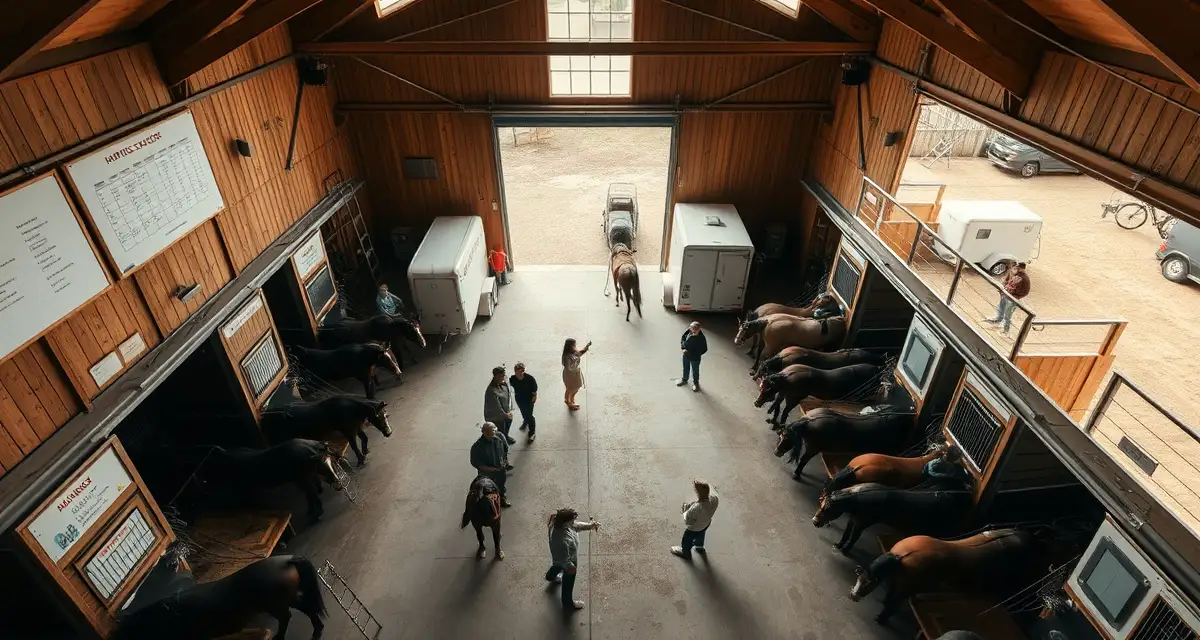
Managing a Barn Through Show Season
Show season changes the rhythm of a horse barn significantly. Horses are hauled out for weekends or longer, care needs intensify before and after travel, documentation requirements multiply, and the barn operates in a constant state of coordinating departures and returns. Managing this well requires planning that starts before the first show of the season.
Pre-Season Planning
The most effective show barn managers plan the entire season in broad strokes before it starts. This does not mean having every detail locked down in January, but it does mean having a clear picture of what is coming.
Pull together each show horse's show schedule for the season. Map the travel dates on a calendar. Identify every interstate trip that will require health certificates. Note shows with specific vaccination documentation requirements. Look at the schedule and identify any periods where multiple horses are traveling simultaneously, which will create staffing and care coverage challenges.
This early view lets you:
- Schedule vaccine boosters before they fall out of compliance window
- Coordinate health certificate timing with your vet
- Plan staffing for high-travel periods
- Identify any training or conditioning changes needed before a specific show
Health record audits should happen now, not in the week before the first trailer loading. See horse show health records for the complete documentation review process.
Departure Preparation Protocol
Create a departure checklist that applies every time a show horse leaves the barn. Customize it for your operation, but a comprehensive version includes:
Documentation. Coggins certificate, vaccine records, health certificate if required, USEF passport if applicable. All current, all in the trailer.
Health check. Temperature, pulse, respiration, gut sounds, visual assessment before departure. Note the baseline. If the horse arrives at a show with a temperature, you want documentation of what it was before loading.
Medications. All medications the horse needs for the trip, with correct doses and a written schedule. Any pre-competition administration done at the appropriate time.
Equipment check. All tack and equipment labeled. Blankets labeled. All items inventoried against a packing list.
Emergency plan. Your vet's contact number, the destination show's preferred emergency vet if known, and an after-hours contact for your barn.
Log the departure time and health baseline in BarnBeacon before the trailer leaves. This creates a record and ensures someone at the home barn knows the horse's status at departure.
During Show Weekends
For horses attending multi-day shows, maintain basic health logging even when away from home. A brief note on eating, drinking, and general attitude at the show is the minimum. Any health observations that would prompt documentation at home should be documented on the road.
This documentation has clinical value if health issues appear after returning home. "Horse seemed slightly off feed the second day of the show" in the record context of a show weekend is relevant information for a vet trying to understand a post-show illness.
Return and Recovery Protocols
The return from a show deserves the same attention as the departure. Horses that have traveled, competed, and been exposed to a large population of other horses need monitoring for the days following return.
Conduct a health check immediately on return: temperature, pulse, respiration, visual assessment. Compare to the pre-departure baseline. Log the findings.
Monitor for the first few days post-return for respiratory symptoms (coughing, nasal discharge, elevated temperature) that can signal exposure to equine influenza or rhinopneumonitis. These symptoms typically appear two to ten days after exposure, so post-show monitoring is not just on return day.
Staffing During Show Season
Show season creates staffing challenges. Horses and people leave for weekends, the barn is often understaffed for weekend care of the horses that stay home, and the intensity of care needs fluctuates significantly.
Plan your staffing calendar for show season in advance. Know which weekends are high-travel weekends and ensure adequate coverage for the horses at home. Consider a show-season hire if volume warrants it.
Ensure whoever is responsible for the barn when you are traveling with show horses has access to all records, care instructions, and emergency contacts for the horses left in their care.
FAQ
What is Managing a Barn Through Show Season?
Managing a barn through show season refers to the coordinated approach of running a horse facility during the competitive show calendar. It encompasses pre-season planning, health documentation, staffing adjustments, travel logistics, and post-show care routines. Unlike routine barn management, show season introduces frequent horse departures and returns, intensified veterinary coordination, and shifting daily schedules. A structured approach ensures horses are prepared, records are current, and barn operations remain stable even when multiple horses are hauling out simultaneously.
How much does Managing a Barn Through Show Season cost?
There is no single cost to managing a barn through show season—expenses vary widely based on how many horses are competing, how far they travel, and what support staff is required. Common costs include health certificates (typically $25–$75 each), additional veterinary visits, extra feed and supplements for traveling horses, and potential temporary staffing. Barns that plan ahead tend to avoid costly last-minute vet calls and documentation errors that can prevent a horse from crossing state lines.
How does Managing a Barn Through Show Season work?
Effective show season barn management works through layered planning. It starts with mapping the full show calendar before the season opens, auditing health records, and scheduling vaccinations to stay within compliance windows. From there, managers coordinate health certificates with their vet, adjust staffing for high-travel weekends, and establish clear protocols for pre-travel prep and post-travel recovery. Communication between barn staff, horse owners, trainers, and veterinarians keeps everything moving without gaps in care.
What are the benefits of Managing a Barn Through Show Season?
Good show season management reduces stress for both horses and humans. Horses benefit from consistent care routines, timely vaccinations, and thoughtful recovery protocols after travel. Barn managers benefit from fewer emergencies and clearer communication. Owners gain confidence that their horses are prepared and compliant. Financially, proactive planning prevents missed shows due to expired health certificates or documentation errors. Operationally, the barn maintains stability even during weekends when several horses and staff are away at competitions.
Who needs Managing a Barn Through Show Season?
Any barn that sends horses to competitions needs some form of show season management. This includes boarding facilities with multiple competitive riders, private barns with a single serious competitor, and training operations managing a full show string. The scale differs, but the core challenges—health documentation, travel prep, staffing coverage, and post-show care—apply across the board. Barns with horses competing in multiple states or crossing international borders face additional regulatory requirements that make structured management especially important.
How long does Managing a Barn Through Show Season take?
Show season management is not a one-time project—it runs for the entire duration of the competitive calendar, which can span several months. Pre-season planning typically begins six to eight weeks before the first show to allow time for health record audits, vaccine boosters, and vet scheduling. Individual show prep cycles usually begin one to two weeks before each event. Post-show recovery protocols vary by horse and travel distance. Sustained attention throughout the season is what separates well-run show barns from reactive ones.
What should I look for when choosing Managing a Barn Through Show Season?
When evaluating your approach to show season barn management, look for systems that provide clear documentation tracking, reliable veterinary communication, and realistic staffing plans. Good systems are proactive rather than reactive—health certificates are scheduled in advance, not requested the morning of departure. Look for protocols that address both outbound prep and post-travel recovery. If you are hiring a barn manager or evaluating a boarding facility, ask specifically how they handle multi-horse travel weekends and what their process is for interstate health documentation.
Is Managing a Barn Through Show Season worth it?
Yes, for any barn with horses actively competing, a structured approach to show season management is worth the investment of time and planning. The alternative—scrambling for health certificates, managing exhausted horses without recovery protocols, and covering staffing gaps last-minute—creates stress, increases costs, and risks missed shows. Barns that plan the season in advance run more smoothly, maintain healthier horses, and give owners and riders more confidence. The upfront planning effort pays off quickly once the competitive calendar accelerates.