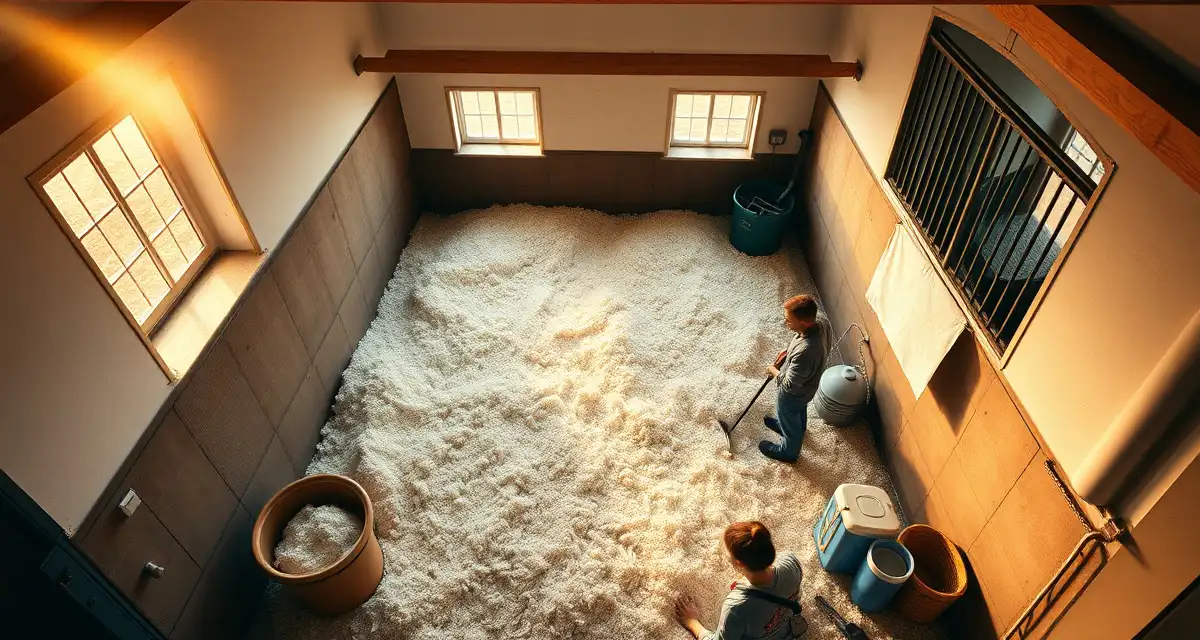
Lesson Barn Stall Cleaning: School Horse Hygiene Protocols
Lesson barn stall cleaning protocols is a different animal than private boarding. School horses cycle through multiple riders daily, produce more waste per stall, and their living spaces are visible to parents, students, and prospective clients at all hours. Facilities with digital cleaning accountability see 44% fewer stall quality complaints, and that gap comes down to one thing: knowing exactly who cleaned what, and when.
TL;DR
- Effective barn management requires systems that match actual daily workflows, not adapted generic tools
- Per-horse record keeping with digital access reduces the response time to owner questions from hours to seconds
- Automated owner communication and health alerts reduce inbound calls while increasing owner satisfaction and retention
- Billing errors cost barns thousands of dollars annually; point-of-service charge logging is the most effective prevention
- Staff accountability systems with named task assignments and completion logs prevent care gaps without micromanagement
- Purpose-built equine software connects health records, billing, and owner communication in one place
This guide walks through the specific protocols that high-traffic riding schools need, from scheduling multiple daily checks to documenting completion in a way that holds staff accountable.
Why Lesson Barns Need a Different Standard
A school horse in active rotation can produce 50 to 60 pounds of manure per day. With lessons running morning through evening, a single morning clean is not enough. Ammonia builds up fast, and wet bedding causes thrush and respiratory issues that pull horses from the lesson rotation.
Beyond horse health, there is a visitor experience problem. Parents dropping off children and prospective students touring the facility will form an opinion within the first 30 seconds of walking into your barn aisle. A dirty stall is a lost enrollment.
How to Build a Lesson Barn Stall Cleaning Protocol
Step 1: Map Your Cleaning Windows Around the Lesson Schedule
Start by printing your weekly lesson schedule and identifying the gaps. Most lesson barns have three natural cleaning windows: early morning before lessons begin, midday between lesson blocks, and end of day after the last ride.
Assign each window a task level. Morning is a full clean, strip wet spots, remove all manure, refresh bedding. Midday is a spot check, remove visible manure, check water, assess bedding depth. End of day is a second full clean for horses that have been in heavy rotation.
Step 2: Assign Stalls to Specific Staff Members
Vague assignments create gaps. "Whoever has time" means no one takes ownership. Assign each stall to a named staff member for each cleaning window, and make that assignment visible on a physical board or in your barn management software.
This matters especially when you have part-time staff and volunteers. When accountability is unclear, corners get cut. When a name is attached to a stall, the standard holds.
Step 3: Define What "Clean" Actually Means
Write down your standard and post it. A clean stall in a lesson barn should include: all manure removed, wet bedding stripped to the mat or floor, dry bedding redistributed evenly to a minimum depth of 6 inches, water bucket scrubbed and refilled, and the stall door and nameplate wiped down.
That last point matters more than most barn managers realize. A clean stall with a dirty door still reads as neglected to a visitor. Your barn daily checklist should include door and nameplate condition as a line item.
Step 4: Implement a Timestamp and Sign-Off System
Paper sign-off sheets work until they don't. Staff mark tasks complete before finishing them, sheets get wet or lost, and there is no way to verify timing. A digital system that timestamps completion and ties it to a specific staff login solves all three problems.
BarnBeacon timestamps every stall cleaning with the responsible staff member and supports photo attachments, so you have a verifiable record of condition at the time of cleaning. This is the kind of accountability that most tools skip, BarnManager, for example, has no stall-by-stall completion tracking or photo documentation built in.
Step 5: Add a Midday Visual Inspection Role
Designate one person per shift to do a 10-minute walk of the barn between lesson blocks. This is not a full clean, it is a quick pass to catch anything that needs immediate attention before the next group of students arrives.
Give that person a simple checklist: manure in aisle, visible wet spots through stall doors, water buckets below half, any horse showing signs of distress. A five-minute fix at noon prevents a 45-minute problem at 4 PM.
Step 6: Build Odor Management Into the Protocol
Ammonia control is not just about comfort, it is a health issue for horses and riders. In a lesson barn with 10 to 20 horses in a shared airspace, ammonia levels can spike quickly if wet bedding is not addressed at every cleaning window.
Use a stall deodorizer or agricultural lime on wet spots before adding fresh bedding. Track which stalls are consistently wet, this often signals a horse drinking excessively or a drainage issue that needs a fix, not just more bedding. Your stall cleaning schedule should include a column for deodorizer application so it does not get skipped.
Step 7: Document and Review Weekly
Pull your completion data at the end of each week. Look for patterns: which stalls are consistently flagged, which staff members are falling behind, which cleaning windows are being rushed.
This is where photo documentation earns its value. If a stall is marked complete but a photo shows insufficient bedding depth, you have a coaching conversation with evidence rather than a dispute. Weekly reviews also let you adjust staffing before a problem compounds.
Common Mistakes in Riding School Stall Management
Treating all horses the same. A horse in six lessons per week needs more frequent checks than one in two. Build your schedule around individual horse workload, not just stall number.
Skipping the midday check on busy days. The days when lessons are back-to-back are exactly when midday checks matter most. Busy days are not a reason to skip, they are the reason the check exists.
No standard for bedding depth. "Add some shavings" is not a standard. Without a minimum depth requirement, bedding gets topped off instead of properly managed, and wet material stays in the stall.
Relying on memory for completion. If your accountability system depends on staff remembering to report back, it will fail. Completion needs to be logged at the point of task, not reconstructed later.
FAQ
What should a stall cleaning schedule include?
A lesson barn stall cleaning schedule should include at minimum three daily windows: a full morning clean, a midday spot check, and a full end-of-day clean. Each window should list assigned staff by name, specific tasks for that window, and a sign-off or timestamp requirement. Bedding depth standards, deodorizer application, and water bucket maintenance should all appear as line items.
How do I track which staff member cleaned each stall?
The most reliable method is a digital system that requires staff to log in and mark tasks complete in real time, generating a timestamp tied to their account. Paper sign-off sheets are a fallback but are easy to falsify and difficult to audit. Tools like BarnBeacon attach a staff member's identity and a timestamp to every stall cleaning entry, giving managers a clear record without relying on self-reporting.
How do I verify stalls are cleaned to standard?
Photo documentation is the most effective verification method. When staff attach a photo at the time of sign-off, managers can review condition without being physically present for every cleaning. Combine this with weekly data reviews to identify patterns, consistently low-quality stalls or missed windows show up quickly when you have timestamped records to compare.
How does BarnBeacon compare to spreadsheets for barn management?
Spreadsheets require manual updates, lack real-time notifications, and create version control problems when multiple staff members are working from different files. BarnBeacon centralizes records, pushes alerts automatically based on logged events, and connects care records to billing and owner communication in one system. Most facilities report saving several hours per week after switching from spreadsheets.
What is the setup process like for BarnBeacon?
Most facilities complete the initial setup in under a week. Horse profiles, service templates, and billing configurations can be imported from existing records or entered directly. BarnBeacon's US-based support team is available to assist with setup, and most managers are running their first billing cycle through the platform within days of starting.
Can BarnBeacon support a barn with multiple staff members?
Yes. BarnBeacon supports multiple user accounts with role-based access, so barn managers, barn staff, and owners each see the information relevant to their role. Task assignments, completion logs, and communication history are all attached to the barn's account rather than to individual staff phones or email addresses.
What is Lesson Barn Stall Cleaning: School Horse Hygiene Protocols?
Lesson barn stall cleaning protocols are standardized hygiene systems designed specifically for school horse facilities, where multiple riders use the same horses daily. Unlike private boarding, lesson barns require more frequent cleaning, stricter documentation, and visible accountability since parents, students, and prospective clients observe conditions at all times. These protocols typically combine named staff assignments, digital completion logs, and per-horse health tracking to maintain consistent stall quality and reduce complaints.
How much does Lesson Barn Stall Cleaning: School Horse Hygiene Protocols cost?
Implementing lesson barn stall cleaning protocols is largely a process and software investment rather than a fixed-price product. Basic digital accountability tools vary by provider, but purpose-built equine management platforms typically range from $50 to $200 per month depending on barn size and features. The return on investment is significant—facilities using digital tracking report 44% fewer stall quality complaints, reduced billing errors, and lower staff oversight costs, making the systems cost-effective for most lesson operations.
Sources
- American Association of Equine Practitioners (AAEP)
- American Horse Council
- UC Davis Center for Equine Health
- Penn State Extension Equine Program
Get Started with BarnBeacon
Running a lesson barn well requires the right tools behind the right protocols. BarnBeacon gives managers the health record tracking, billing automation, and owner communication infrastructure to operate efficiently without adding administrative staff. Start a free trial and see how the platform fits the way your barn already works.