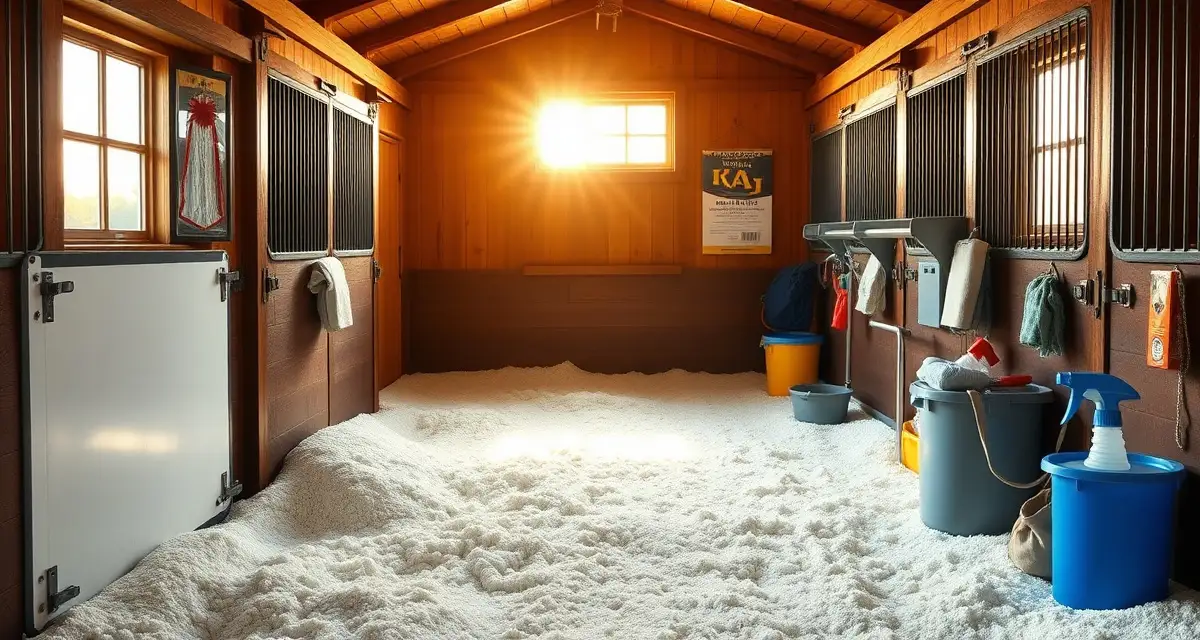
Stall Cleaning Schedules for Boarding Barns
Stall cleaning is one of the highest-frequency, highest-impact tasks in a boarding barn. Done consistently, it keeps horses comfortable, reduces respiratory disease risk from ammonia buildup, and reflects well on the facility. Done inconsistently, it creates health problems and generates client complaints.
Getting stall cleaning right means having a clear schedule, assigned responsibilities, and a way to verify that cleaning is actually being done on schedule.
Basic Stall Cleaning Principles
Most boarding barns clean stalls at least once daily, with some facilities doing twice-daily cleanings for horses that are stalled more hours or for higher-end board packages. At minimum, stalls should be thoroughly picked and bedded every 24 hours.
Beyond the daily pick, most stalls need a more thorough cleaning periodically, stripping the bedding completely, scrubbing the floor, treating for ammonia, and re-bedding. The frequency depends on bedding type, drainage, and how much time the horse spends in the stall. For stalls with heavy continuous occupancy, a thorough stripping weekly is typical. For horses that spend significant time outside, every two to three weeks may be adequate.
Setting Up a Cleaning Schedule in BarnBeacon
In BarnBeacon's staff task management system, stall cleaning tasks can be set up as recurring items on each staff member's shift task list. Each stall has a daily cleaning task assigned to a specific shift and staff role. The task appears on the appropriate person's list each day; when they complete it, they check it off with a timestamp.
For deeper cleans, you create a separate recurring task on a weekly or bi-weekly schedule. This task appears on the appropriate shift's list at the scheduled interval.
The result is a complete log of every stall cleaning across the barn: who cleaned which stall, when, and whether any issues were noted.
Why Documentation Matters
Stall cleaning documentation is useful in several specific situations:
Client disputes. If a horse owner claims their horse's stall is consistently not being cleaned, you have a complete log showing otherwise, with timestamps and staff names. This resolves disputes quickly and fairly.
Health investigations. If a horse develops a respiratory problem or hoof issue potentially linked to stall conditions, the cleaning log is part of the health investigation. Consistent cleaning records help rule out environmental causes.
Staff accountability. When staff know their task completions are logged, completion rates improve. This isn't about surveillance; it's about making clear expectations and verifying they're being met.
New staff training. Clear documented protocols for each stall's cleaning requirements, including any special considerations for specific horses, give new staff what they need to do the job correctly from day one.
Connecting Cleaning to Care Logs
In BarnBeacon, stall cleaning is one component of the broader staff care logging system. When a groom cleans a stall, they can note anything relevant observed during cleaning: bedding condition, unusual waste output, any concerns about the stall itself.
These observations connect to the horse's daily record. If multiple mornings in a row a specific horse has unusual manure in its stall, that pattern is visible in the log. It's the kind of early signal that helps catch health issues before they become serious.
Bedding and Supply Tracking
Stall cleaning is also connected to bedding supply management. A barn that runs through shavings faster than expected is either cleaning more thoroughly than planned or something about the stall situation has changed. Tracking bedding usage per stall, or at least per barn section, helps manage supply orders and costs.
BarnBeacon's variable charge tracking lets you log bedding usage per horse where appropriate and attach those costs to the horse's billing record if the board agreement includes cost pass-through for premium bedding.
Stall Cleaning in the Overall Barn Schedule
Stall cleaning fits into the broader daily schedule framework in BarnBeacon. It's part of the morning shift's task list, sometimes also the afternoon shift depending on barn practice. The scheduling task management tools manage how it fits into the overall shift structure alongside feeding, turnout, and other daily tasks.
When the cleaning schedule runs consistently and is documented automatically, the barn manager can focus on higher-level management work rather than tracking whether basic care tasks are being performed.
FAQ
What is Stall Cleaning Schedules for Boarding Barns?
A stall cleaning schedule for boarding barns is a structured plan that defines how often stalls are picked, stripped, and re-bedded, who is responsible for each task, and how completion is verified. Most boarding barns clean stalls at least once daily, with periodic deep-cleaning that strips bedding entirely, scrubs the floor, and treats for ammonia. A clear schedule prevents inconsistency, reduces health risks, and ensures every horse in the facility receives the same standard of care regardless of which staff member is on duty.
How much does Stall Cleaning Schedules for Boarding Barns cost?
Stall cleaning schedules themselves cost nothing to create, but the labor and materials involved are a significant operational expense for boarding barns. Bedding, cleaning tools, and staff time add up quickly. BarnBeacon's task management system is available as part of its barn management platform, which offers tiered pricing based on barn size and features. Automating schedule creation and verification through software can reduce wasted labor and over-bedding, helping facilities manage costs more effectively over time.
How does Stall Cleaning Schedules for Boarding Barns work?
A stall cleaning schedule works by assigning specific tasks — daily picking, spot checks, and full strip-outs — to designated staff members at set intervals. Each task is logged when completed, creating an accountability trail. In BarnBeacon, tasks can be assigned by stall, triggered on a recurring basis, and marked complete from a mobile device. Managers can view completion status across the entire barn in real time, so nothing slips through the cracks during busy mornings or staff transitions.
What are the benefits of Stall Cleaning Schedules for Boarding Barns?
Consistent stall cleaning schedules reduce ammonia buildup, which lowers respiratory disease risk and hoof health issues like thrush. They improve horse comfort, especially for stalled horses spending 12 or more hours inside. For barn managers, schedules create clear staff accountability and reduce client complaints about dirty stalls. A documented cleaning history also protects the facility if a horse health issue arises. Operationally, scheduled strip-outs prevent bedding waste from over-compensating for poor daily cleaning habits.
Who needs Stall Cleaning Schedules for Boarding Barns?
Any boarding barn with multiple horses and more than one staff member benefits from a formal stall cleaning schedule. Small private barns with a single caretaker may manage informally, but once you have shift changes, part-time staff, or more than 10 stalls, undocumented expectations lead to missed cleanings and inconsistency. Facilities offering multiple board levels — full care, pasture board, or premium stall packages — especially need schedules to ensure each horse receives the level of service the owner is paying for.
How long does Stall Cleaning Schedules for Boarding Barns take?
Daily stall picking typically takes 10 to 20 minutes per stall depending on horse habits, bedding type, and stall size. A full strip-out including scrubbing, ammonia treatment, and re-bedding usually takes 30 to 60 minutes per stall. For a barn with 20 stalls, daily cleaning can represent four to six hours of labor. Establishing an efficient route and having bedding and tools staged properly reduces time significantly. BarnBeacon task tracking helps managers identify which stalls are consistently taking longer than expected.
What should I look for when choosing Stall Cleaning Schedules for Boarding Barns?
When choosing a stall cleaning schedule approach, look for clarity on task frequency, staff assignment, and verification. A good schedule specifies daily picking, periodic strip-out intervals tied to actual stall occupancy, and a method for confirming completion — not just assuming it happened. If using software, look for mobile-friendly task logging, recurring task automation, and manager visibility across all stalls. Avoid generic schedules that treat all stalls the same; horses with more stall time, different bedding, or health conditions may need adjusted cleaning frequency.
Is Stall Cleaning Schedules for Boarding Barns worth it?
Yes. A structured stall cleaning schedule is one of the highest-return investments a boarding barn can make. Ammonia-related respiratory issues and hoof problems are costly to treat and damage your reputation with boarders. Clear schedules reduce the management overhead of checking on staff, prevent bedding waste, and give horse owners confidence their animals are cared for consistently. For facilities using BarnBeacon, the added layer of task logging and verification turns a basic cleaning routine into a documented quality assurance system.