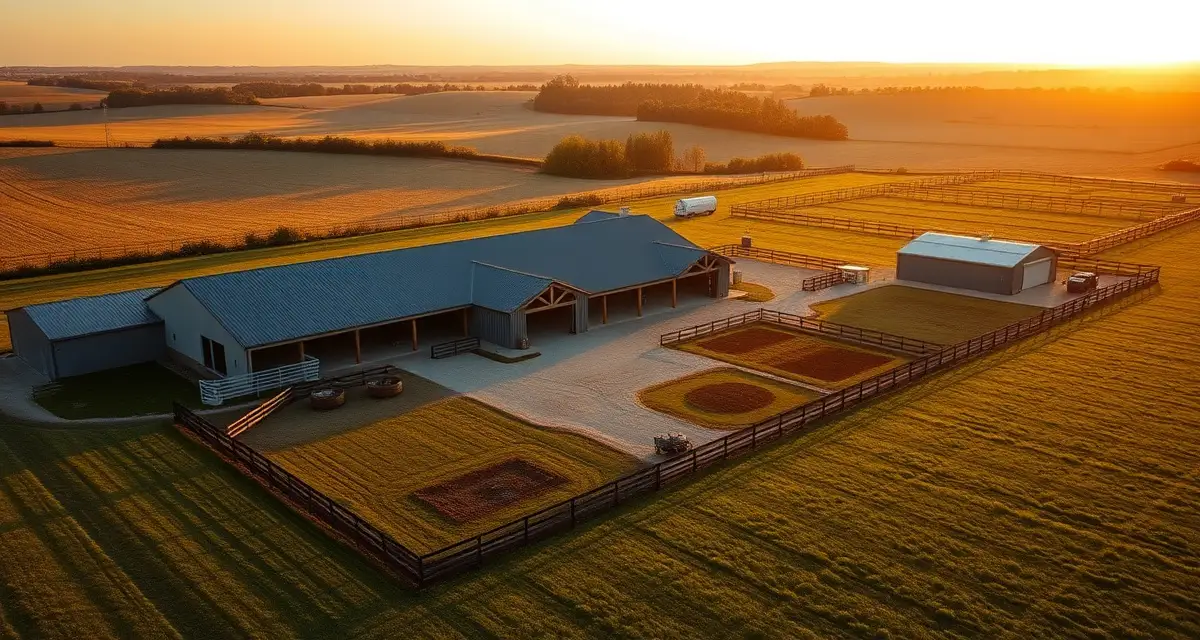
Equestrian Operations in Michigan
Michigan's equestrian community spans a geographically diverse state from the densely populated southeast near Detroit to the rural agricultural heartland of the Lower Peninsula and the remote, spectacular terrain of the Upper Peninsula. The state supports a broad range of disciplines and facility types, and for barn managers who run professional operations, Michigan offers a stable market with multiple distinct regional opportunities.
Regional Markets
Southeast Michigan, particularly Oakland, Washtenaw, and Livingston counties, has one of the most active boarding markets in the Midwest. The suburban horse-owning population in communities like Rochester, South Lyon, and Chelsea supports quality facilities at premium rates. Hunter/jumper programs are particularly strong in this area, with well-developed junior competition circuits and strong connections to national show organizations.
The Lansing and Grand Rapids areas have their own active markets, serving a mix of suburban and rural horse owners with more moderate pricing than the southeast. Western Michigan has a strong western performance culture alongside English disciplines.
Northern Lower Michigan, including areas around Traverse City and the Petoskey region, has a seasonal character. Summer ridership is high and tourism contributes to activity; winter is quiet for pleasure riding but some year-round operations continue. Trail riding and summer camps are important parts of the northern Michigan equestrian market.
The Upper Peninsula is sparsely populated and the equine market is correspondingly small, but facilities there serve a dedicated local community in an environment with excellent riding terrain.
Climate and Facility Requirements
Michigan winters are serious across the entire state and extreme in the Upper Peninsula and northern Lower Michigan. Indoor arenas are essential for year-round lesson and training programs. Winter barn management requires attention to water system function, bedding depth, ventilation to control moisture without creating drafts, and horse health monitoring for respiratory conditions that develop in poorly ventilated winter barns.
Lake effect snow from Lake Michigan and Lake Superior creates significant snowfall in western Lower Michigan and the Upper Peninsula. Facilities in these areas need reliable snow removal equipment and barn designs that handle heavy snow loads.
Spring mud is a consistent challenge. Michigan soils, particularly in areas with heavy clay content, can create difficult paddock conditions through March and May. Gravel sacrifice areas, managed turnout, and pasture rest during wet conditions are standard practices at well-run Michigan facilities.
The Michigan Horse Racing Industry
Michigan's horse racing industry has declined significantly over the past several decades, but the state still has active harness racing programs at Northville Downs and a few other venues, and the community of Standardbred breeders and trainers remains active. Facilities serving the harness racing community have their own operational characteristics and client relationships.
Health Requirements
Michigan requires a current negative Coggins test for horses at public events and for horses entering the state. The Michigan Department of Agriculture and Rural Development oversees equine health regulations and manages disease response programs. Michigan participates in the national equine disease surveillance network.
Michigan has a history of managing equine infectious anemia (EIA), and Coggins testing compliance is taken seriously by state regulators. Annual testing at minimum, with testing before interstate travel, is standard practice for Michigan facilities.
The Morgan and Draft Horse Communities
Michigan has active communities for Morgan horses and draft breeds, particularly in agricultural regions of the Lower Peninsula. Draft horse shows, pulling competitions, and working draft horse events are part of the cultural fabric in rural Michigan communities. Facilities serving these communities have different requirements than sport horse operations, including heavier-duty equipment and larger stall accommodations.
Management Tools for Michigan Barns
The combination of severe winters, diverse regional markets, and complex health documentation requirements makes organized management systems valuable for Michigan barn managers. BarnBeacon helps track health records, manage billing across diverse service types, schedule care protocols, and maintain documentation that protects the facility and serves the horses well.
For guidance on managing winter operations and year-round facility planning, see our articles on large barn operations and mobile barn management.
FAQ
What is Equestrian Operations in Michigan?
Equestrian operations in Michigan encompass the full range of horse-keeping and facility management activities across the state, including boarding, training, breeding, and competition programs. Michigan supports diverse disciplines from hunter/jumper and dressage in the southeast to western performance in Grand Rapids and trail riding in the Upper Peninsula. Facilities range from small private barns to large professional training centers, serving a broad base of horse owners across urban-adjacent suburbs and rural agricultural communities throughout the Lower and Upper Peninsulas.
How much does Equestrian Operations in Michigan cost?
Costs vary significantly by region and service level. Full-care boarding in southeast Michigan markets like Rochester and South Lyon typically runs $600–$1,200 per month, reflecting the premium suburban demand in Oakland and Washtenaw counties. The Lansing and Grand Rapids areas offer more moderate rates, generally $400–$800 per month. Northern Michigan facilities often have seasonal pricing structures. Training programs, lessons, and competition fees add additional costs, and facility overhead including land, insurance, and labor shapes what operators must charge to remain viable.
How does Equestrian Operations in Michigan work?
Michigan equestrian operations function by providing stabling, feed, turnout, and care services to horse owners who lack their own facilities. Barn managers coordinate daily feeding schedules, stall cleaning, farrier and veterinarian appointments, and pasture rotation. Training facilities layer structured lesson programs and show preparation on top of basic boarding. Regional markets drive how facilities position themselves—southeast Michigan supports premium full-service hunter/jumper programs, while western Michigan caters more to western performance disciplines, and northern facilities adjust staffing and programming around seasonal demand cycles.
What are the benefits of Equestrian Operations in Michigan?
Michigan's equestrian operations deliver significant benefits including professional horse care, access to quality arenas and training infrastructure, and community among riders. For horse owners without land, boarding facilities provide safe, managed environments that individual owners cannot replicate alone. For professionals, Michigan's diverse regional markets offer sustainable client bases, from wealthy suburban clients in Oakland County to rural boarding demand in agricultural areas. The state's active junior competition circuits and well-developed show connections in the southeast create additional income opportunities for training-focused operations.
Who needs Equestrian Operations in Michigan?
Barn managers, trainers, and facility operators building or running professional equestrian businesses in Michigan need to understand the state's regional dynamics. Horse owners evaluating where to board or train benefit from knowing how southeast Michigan's premium market differs from western or northern Michigan pricing and culture. Equine professionals relocating to Michigan, investors considering facility acquisitions, and existing barn owners looking to grow or reposition their programs all need a working knowledge of how Michigan's distinct regional markets operate and what client bases they support.
How long does Equestrian Operations in Michigan take?
Establishing a functional equestrian operation in Michigan typically takes 12–24 months from property acquisition to a stable, full client roster. Facility build-out or renovation, zoning approvals, and insurance setup often take six months or more. Building a reputation, filling stalls, and developing a training program clientele requires consistent effort over the first one to two years. Seasonal markets in northern Michigan compress this timeline differently—summer occupancy can fill quickly while winter requires planning for reduced demand or alternative revenue streams to maintain cash flow year-round.
What should I look for when choosing Equestrian Operations in Michigan?
When evaluating a Michigan equestrian operation, prioritize facility condition, regional market fit, and the operator's discipline expertise. Look for well-maintained stabling, safe fencing and footing, and proximity to competition venues relevant to your discipline. In southeast Michigan, hunter/jumper program credentials and junior circuit connections matter. In western Michigan, assess western performance culture fit. For northern facilities, understand the seasonal model and how the barn manages winter. Verify the barn's veterinary and farrier relationships, turnout quality, and whether the management style aligns with your horse's care needs.
Is Equestrian Operations in Michigan worth it?
For horse owners in Michigan, professional equestrian operations offer strong value given the state's active market, particularly in the southeast where premium facilities support serious competitive programs. For operators, Michigan provides a stable, diversified market with multiple regional niches. The density of horse-owning households in Oakland, Washtenaw, and Livingston counties supports premium pricing that makes well-run facilities financially viable. Northern and western Michigan offer lower-cost entry points with loyal client bases. Overall, Michigan's breadth of disciplines, geography, and horse culture makes it a compelling state for equestrian investment and professional barn management.