Equestrian Operations in Mississippi
Mississippi's equine industry is rooted in the state's agricultural heritage and southern horse traditions. Quarter horses, gaited breeds, and western performance disciplines are the backbone of the state's horse community, with some hunter/jumper and English riding activity in urban areas. The state's warm climate and rural character create a distinctive operating environment for equine facilities.
Climate and Facility Considerations
Mississippi's climate is warm and humid, with hot summers that demand active heat management for horses. Summer temperatures regularly exceed 95 degrees, and the combination of heat and high humidity creates heat stress risk that must be managed through adequate shade, water availability, ventilation, and modified work schedules during the hottest parts of the day.
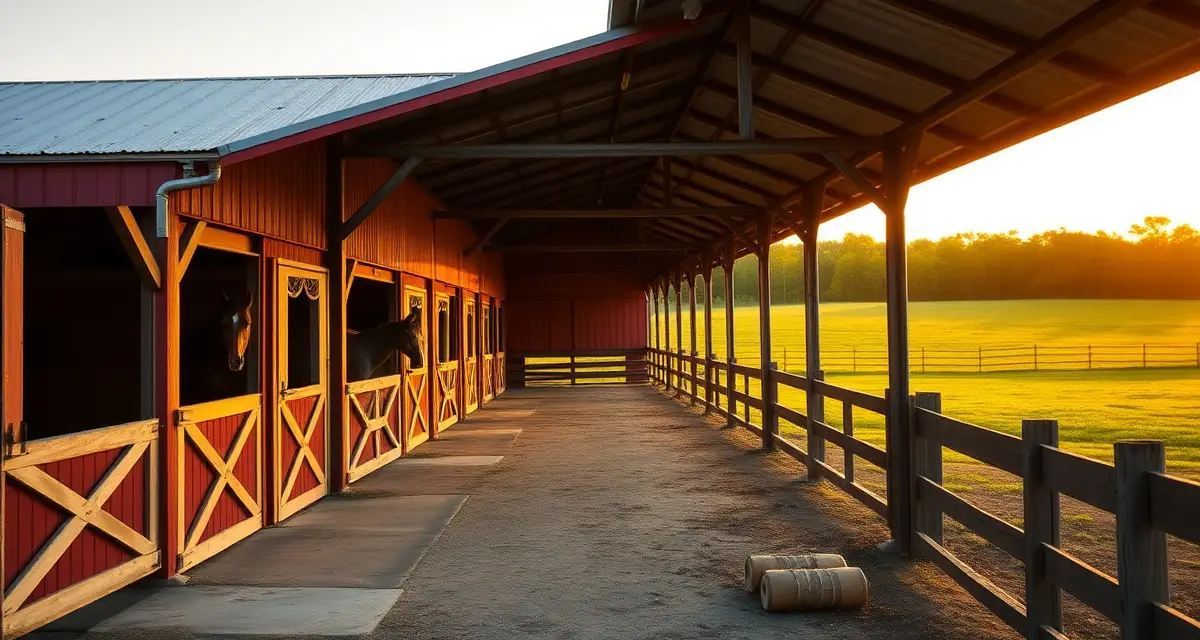
Barn ventilation is critical in Mississippi. Enclosed barns without proper ridge venting, open sides, or mechanical ventilation become dangerously hot in summer. Many Mississippi facilities use open-sided or partially open designs that maximize airflow. Fans in stalls and aisles are standard during summer months.
Winter in Mississippi is mild compared to most of the country, but the state does experience cold fronts that can drop temperatures significantly. Horses that have been conditioned to the warm climate may require blankets and additional management during cold snaps, even if the temperatures would be considered moderate in northern states.
Parasite management is a year-round concern in Mississippi's warm climate. Internal parasites, particularly small strongyles, are active longer in the year than in colder climates. Strategic deworming programs based on fecal egg counts and veterinary guidance are appropriate for Mississippi horses, recognizing that the parasite season is essentially continuous.
Western Performance and Gaited Breeds
Mississippi's equestrian culture is predominantly western. Quarter horses and paints are the most common breeds, and western pleasure, barrel racing, roping, and trail riding are the most common activities. The Mississippi Quarter Horse Association and various affiliated show circuits support an active show community.
Gaited horses, particularly Tennessee Walking Horses, Rocky Mountain Horses, and Missouri Fox Trotters, have a significant following in Mississippi. Trail riding on gaited horses is a popular activity, and the state's terrain in the hill country of the north and the pine forests of the south provides good trail riding conditions. Facilities that cater to gaited horse owners represent a distinct niche.
Agricultural Integration
Many Mississippi equine facilities are integrated with broader agricultural operations, combining horse boarding or training with cattle, crops, or other farm enterprises. This integration can make economic sense by sharing infrastructure costs, but it also requires clear boundaries between equine and agricultural operations for biosecurity and management clarity.
Health Requirements
Mississippi requires a current negative Coggins test for horses at public events and for horses entering the state from other jurisdictions. The Mississippi Board of Animal Health oversees equine health regulations. Given the warm climate, mosquito-borne diseases including Eastern equine encephalitis and West Nile virus are genuine risks, and vaccination protocols appropriate for the region should be maintained year-round.
Veterinary Access
Veterinary access in Mississippi varies considerably by location. The Mississippi State University College of Veterinary Medicine in Starkville is the primary referral center for complex equine cases. Field veterinary services are available across most of the state, though response times in rural areas may be longer.
Mississippi State University's equine programs also support the state's equine industry through extension education and research, and barn managers can access educational resources through MSU Extension.
Management Systems
Mississippi barn managers, like those across the South, benefit from management systems that handle the year-round care demands of a warm-climate facility. BarnBeacon helps track health records, medication protocols, deworming schedules, and billing in one organized system accessible from anywhere on the property.
For more on warm-climate barn management, see our guides on medication tracking and mobile barn management.
FAQ
What is Equestrian Operations in Mississippi?
Equestrian operations in Mississippi encompass the full range of horse-keeping and facility management practices tailored to the state's climate, culture, and horse community. This includes managing Quarter horses, gaited breeds, and western performance disciplines alongside facility design suited to Mississippi's hot, humid summers and mild winters. Operations range from private backyard setups to commercial boarding barns, training facilities, and breeding operations rooted in the state's strong agricultural and southern horse traditions.
How much does Equestrian Operations in Mississippi cost?
Costs vary widely depending on operation type and scale. Basic horse boarding in Mississippi typically runs $200–$600 per month for pasture or stall board. Building or upgrading a barn with proper ventilation for Mississippi's climate can cost $50,000–$300,000+. Land, feed, farrier, and veterinary expenses add ongoing costs. Smaller owner-operated farms may manage for under $20,000 annually, while larger commercial facilities carry significantly higher overhead tied to labor, insurance, and equipment.
How does Equestrian Operations in Mississippi work?
Equestrian operations in Mississippi function by combining land management, horse care routines, and facility maintenance adapted to the local environment. Daily operations include feeding, turnout scheduling, stall cleaning, and health monitoring. In summer, heat management protocols—early morning or evening workouts, fans, shade, and ample water—are essential. Winter cold fronts require blanketing and shelter adjustments. Facilities typically follow a seasonal rhythm aligned with Mississippi's climate, with training and show schedules built around the heat cycle.
What are the benefits of Equestrian Operations in Mississippi?
Operating equestrian facilities in Mississippi offers access to affordable rural land, a tight-knit horse community, and a year-round riding climate. Mild winters allow consistent training with minimal weather shutdowns. The state's strong Quarter horse and western discipline culture provides a ready market for boarding, training, and lessons. Lower land costs compared to coastal states make it feasible to build quality facilities, and the agricultural infrastructure—feed suppliers, farriers, vets—is well-established across rural Mississippi.
Who needs Equestrian Operations in Mississippi?
Anyone keeping, training, breeding, or boarding horses in Mississippi benefits from understanding local equestrian operations. This includes first-time horse owners learning to manage heat stress and parasite control, experienced trainers scaling up commercial boarding facilities, and hobby farmers adding horses to mixed agricultural operations. 4-H youth programs, western performance competitors, trail riding clubs, and hunter/jumper enthusiasts in metro areas all operate within Mississippi's equine landscape and face the same climate and regulatory realities.
How long does Equestrian Operations in Mississippi take?
There is no fixed timeline—equestrian operations in Mississippi are an ongoing commitment. Setting up a basic boarding or training facility typically takes 6–18 months from land acquisition to first horses in. Seasonal management cycles repeat annually, with summer heat protocols running roughly May through September and winter prep beginning in November. Horse training programs run on individual horse timelines. New facility managers should expect a full year before operations feel routine and seasonal rhythms are well understood.
What should I look for when choosing Equestrian Operations in Mississippi?
When evaluating or establishing equestrian operations in Mississippi, prioritize ventilation design—barns without adequate airflow become unsafe in summer. Look for well-draining pastures that handle Mississippi's heavy rainfall without becoming muddy traps. Assess proximity to qualified large animal veterinarians and farriers. Review water infrastructure for high-demand summer periods. For boarding or training businesses, consider the local discipline market—western and Quarter horse services dominate, though pockets of English riding demand exist near larger cities like Jackson.
Is Equestrian Operations in Mississippi worth it?
For horse owners and operators suited to Mississippi's climate and horse culture, equestrian operations here offer strong value. Land is affordable, the riding season is long, and the community is active. The investment in heat management infrastructure—ventilation, fans, shade—pays dividends in horse health and performance. Those who plan facilities around Mississippi's specific challenges rather than generic barn templates see better outcomes. If you're committed to the lifestyle and prepared for summer heat demands, Mississippi is a viable and rewarding place to operate.