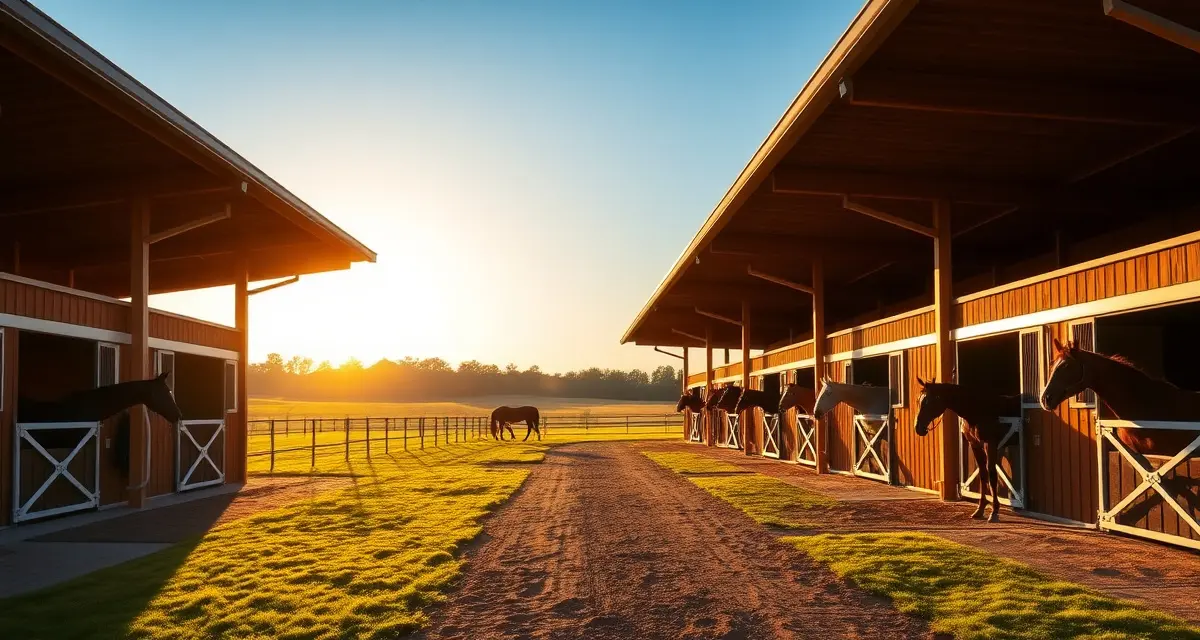
Equestrian Operations in Missouri
Missouri occupies a central position in the American equine landscape, both geographically and culturally. The state supports one of the most diverse horse communities in the country, with significant populations of quarter horses, Tennessee Walking Horses, Missouri Fox Trotters, Arabians, warmbloods, and nearly every other breed. Disciplines from trail riding to cutting to dressage all have active Missouri followings. The state's central location makes it a natural hub for equine commerce, events, and transport.
Regional Markets
The Kansas City metro, particularly Johnson County, Missouri, and the surrounding communities, has a strong boarding and lesson market with demand across disciplines. Facilities in Lee's Summit, Blue Springs, and the communities south and east of Kansas City serve a large suburban horse-owning population.
The St. Louis metro, particularly St. Charles and Jefferson counties to the west and south, has its own active market with strong hunter/jumper and dressage programs alongside western disciplines. Facilities in this area benefit from proximity to the large St. Louis suburban population and the well-developed show circuit in the region.
Springfield, Columbia, and the communities of central Missouri have markets that reflect the state's agricultural character: more western performance, trail riding, and pleasure riding relative to the urban markets, with lower cost structures and a less competitive boarding environment.
The Ozarks region in southern Missouri has a strong trail riding culture, and facilities there often cater to trail riders visiting state and federal land. Some of the most scenic riding terrain in the Midwest is in this region.
Missouri Fox Trotters
Missouri is the home breed state of the Missouri Fox Trotter, and the state has a significant and devoted community of Fox Trotter owners, breeders, and competitors. The Missouri Fox Trotting Horse Breed Association is headquartered in the state, and the annual celebration in Ava draws thousands of attendees. Facilities that serve the Fox Trotter community represent a distinct and loyal market segment.
Climate and Seasonal Management
Missouri's climate sits at a transition zone between northern and southern weather patterns. Summers are hot and humid, with conditions in July and August that require active heat management for horses. Winters are cold but generally less severe than the northern Plains states, with temperatures regularly below freezing but not the extreme cold of Minnesota or North Dakota.
Spring storms in Missouri can be severe. Tornado risk is real, and barn managers need documented emergency plans for severe weather situations.
Missouri Health Certificate and Coggins Requirements
Missouri requires a current negative Coggins test for horses at public events and for horses entering the state from other jurisdictions. The Missouri Department of Agriculture oversees equine health regulations, including the Certificate of Veterinary Inspection (CVI) requirements for horses moving interstate.
See our dedicated guide on Missouri equine health requirements for detailed information on documentation standards for horses moving through or into Missouri.
The Mark Twain National Forest and Trail Riding
Missouri's Mark Twain National Forest, along with various state parks and conservation areas, provides extensive trail riding opportunities that support trail-focused equine facilities across the southern part of the state. Horse camping and trail riding tourism contribute to the economy of rural Missouri communities, and facilities that serve visiting trail riders occupy an important niche.
Barn Management in Missouri
Missouri's diverse equine industry means that facilities in different parts of the state serve very different client bases, from urban-adjacent boarding barns competing on amenities to rural trail facilities serving a regional market. BarnBeacon adapts to this range of operational contexts, helping Missouri barn managers track health records, manage billing, and maintain organized documentation regardless of facility type.
For related guidance, see our articles on multi-discipline barn management and managing late board payments.
FAQ
What is Equestrian Operations in Missouri?
Equestrian operations in Missouri encompass the full range of horse-related businesses and facilities across the state, including boarding barns, training centers, lesson programs, breeding operations, and competition venues. Missouri supports a remarkably diverse horse community featuring quarter horses, Tennessee Walking Horses, Missouri Fox Trotters, warmbloods, and Arabians. Operations span disciplines from western performance and trail riding to hunter/jumper, dressage, and cutting, reflecting the state's blend of agricultural tradition and suburban horse culture.
How much does Equestrian Operations in Missouri cost?
Costs vary widely depending on discipline, location, and services offered. Boarding typically ranges from $300–$800/month for pasture board and $600–$1,500/month for full-care stall board in metro areas like Kansas City and St. Louis. Lesson programs average $50–$100 per session. Training costs $800–$2,000/month. Facilities in suburban Johnson County or St. Charles County tend to command higher rates than those in rural central Missouri, where agricultural character keeps pricing more modest.
How does Equestrian Operations in Missouri work?
Missouri equestrian operations function by connecting horse owners with appropriate facilities and services based on discipline, location, and budget. Owners research barns, tour facilities, and evaluate staff credentials and horse care standards. Metro areas like Kansas City and St. Louis offer concentrated facility clusters, while central Missouri markets like Columbia and Springfield serve more rural clientele. Barn management software, online directories, and local equestrian associations help match owners with the right operation for their needs.
What are the benefits of Equestrian Operations in Missouri?
Missouri's central geography makes it a natural hub for equine commerce, transport, and events. Horse owners benefit from a dense network of facilities, experienced trainers across disciplines, and access to regional and national show circuits. The state's diverse breed and discipline community means owners can find specialized expertise whether they compete in cutting, dressage, or trail. Strong suburban markets in Kansas City and St. Louis provide competitive pricing and modern amenities alongside rural operations with spacious land.
Who needs Equestrian Operations in Missouri?
Anyone involved with horses in Missouri can benefit from understanding local equestrian operations—from first-time horse owners seeking boarding to experienced competitors looking for training facilities. Breeders, lesson students, trail riders, and show competitors all rely on Missouri's facility network. Property owners considering opening a barn, investors evaluating equine businesses, and relocating horse owners assessing the local market also need a clear picture of how Missouri's regional equestrian landscape is structured.
How long does Equestrian Operations in Missouri take?
There is no single timeline—equestrian operations are ongoing businesses rather than one-time services. Finding and onboarding at a boarding facility typically takes two to four weeks, including tours, trials, and paperwork. Training programs show measurable progress over three to six months. Establishing a new equestrian business in Missouri, from permitting through opening, commonly takes six to eighteen months depending on facility scope, local zoning requirements, and whether existing infrastructure is being renovated or built from scratch.
What should I look for when choosing Equestrian Operations in Missouri?
Prioritize horse care standards, staff qualifications, and facility safety. Evaluate pasture quality, stall size, footing in arenas, and veterinary and farrier access. Confirm the barn's discipline focus aligns with your goals—hunter/jumper programs near St. Louis differ significantly from western performance barns in Springfield. Check trainer credentials, lesson structures, and the overall culture of the horse community at the facility. References from current boarders and a trial period before committing are both strongly recommended.
Is Equestrian Operations in Missouri worth it?
For most Missouri horse owners, engaging with the state's equestrian infrastructure is not optional—it is essential. The density and diversity of facilities, especially in the Kansas City and St. Louis metros, give owners real choices in quality, price, and specialization. Missouri's central location and active show circuit add long-term value for competitive riders. Whether you are boarding, training, or building a business, Missouri's established equine community provides the support network, market depth, and regional connectivity to make equestrian investment worthwhile.