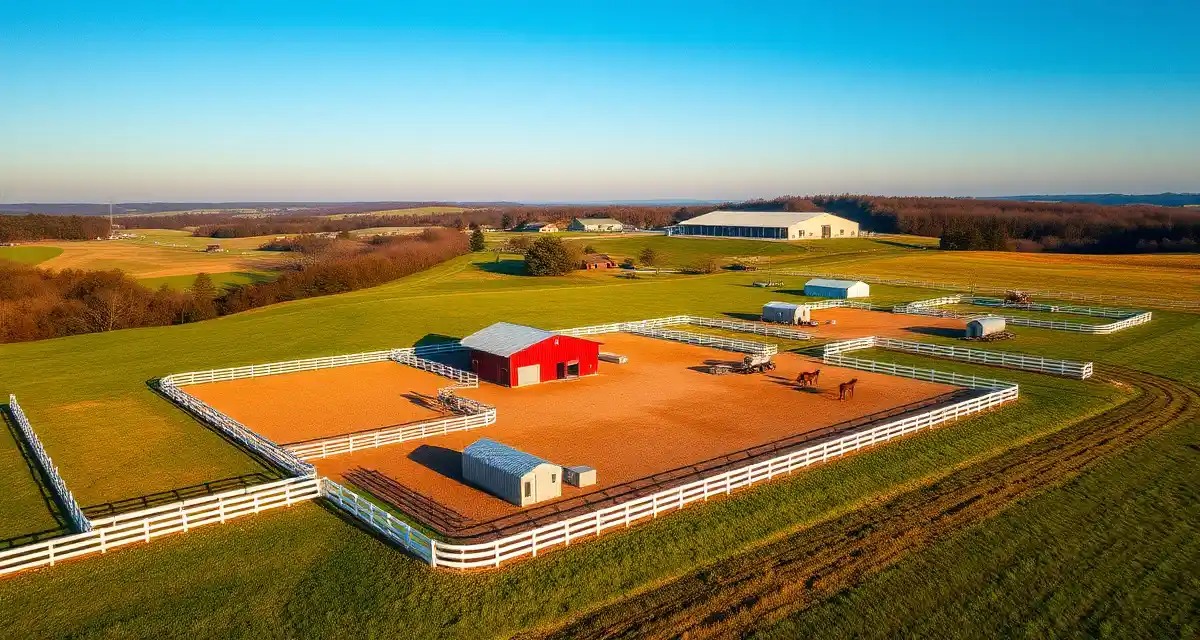
Equine Facilities in New Jersey
New Jersey has one of the densest horse populations per square mile of any state in the country. Despite its reputation as the most densely populated state overall, significant equestrian corridors exist from Hunterdon County through Somerset and Morris counties, and down through the Pinelands in Burlington and Ocean counties. Running a horse facility in New Jersey means competing in a sophisticated market with well-informed clients and a wide range of facility types.
Regional Concentrations of Equine Operations
Hunterdon County is the heart of New Jersey's horse country. The rolling terrain, large historic farms, and established equestrian culture make it the premier region for boarding, hunter/jumper training, and foxhunting. Property values are among the highest in the state, and facilities here cater to clients who expect top-tier amenities.
Somerset and Morris counties blend suburban access with agricultural land. Facilities in this corridor serve commuters who keep sport horses but have limited time at the barn. These clients rely heavily on digital communication and expect their barn managers to keep them informed without requiring frequent visits.
The Pinelands region of South Jersey offers a different environment. Sandy, fast-draining soils make for excellent turnout year-round, and land is more affordable. Trail riding outfitters and smaller boarding operations thrive here. Western disciplines and pleasure riding are more common than in the north.
The Regulatory Environment
New Jersey has a robust agricultural preservation program that has protected significant equine land from development. The State Agriculture Development Committee administers farmland preservation easements, and many horse operations participate in the Farmland Assessment program, which substantially reduces property taxes for qualifying operations.
Environmental regulations are more stringent in New Jersey than in many other states. Stormwater runoff from horse facilities, manure management, and well water compliance are areas where inspections do occur. Facilities near the Pinelands Protection Area face additional oversight. Getting your manure management plan documented and followed is not optional in this state.
Client Expectations in a Competitive Market
New Jersey boarders are sophisticated consumers. Many have ridden at facilities in multiple states, attended competitions along the East Coast, and know what a well-run facility looks like. The competition for quality boarding clients is real, and word-of-mouth both positive and negative travels fast in tight-knit equestrian communities.
Facilities that use management software like BarnBeacon to deliver transparent billing, clear communication, and consistent health tracking retain clients more reliably than those that operate informally. When an owner receives a notification that their horse was seen limping during turnout, along with the barn manager's notes from the veterinarian call, that level of communication builds trust that keeps clients in your barn.
Show and Competition Infrastructure
New Jersey supports a year-round show calendar. The New Jersey Horse Shows Association sanctions events through the season, and proximity to major venues in Pennsylvania, New York, and Virginia gives New Jersey horse owners easy access to rated competition. Barns that support active show programs need tight management of health records, medication logs, and Coggins documentation to avoid scrambling before a show departure.
Staff and Operational Considerations
Labor costs in New Jersey are among the highest in the country, driven by the state's minimum wage increases and the high cost of living that makes housing expensive for barn workers. Facilities that provide staff housing have a significant advantage in recruitment and retention.
The organizational burden of managing a full equestrian operation in New Jersey is substantial. Tasks need to be clearly assigned, feeding charts need to be accurate and updated, and owner requests need to be trackable. Investing in systems that reduce the margin for error and missed communication saves money and client relationships over time.
Land Transition and Equine Real Estate
As suburban development continues to press into horse country, facilities are changing hands with increasing frequency. Buyers taking over established operations should audit all existing boarding agreements, health records, and maintenance schedules before assuming operations. See our guide on owner billing management for a practical starting point when inheriting an existing client base.
For related reading, see owner communication tools and payment tracking.
FAQ
What is Equine Facilities in New Jersey?
Equine facilities in New Jersey encompass a wide range of horse-keeping operations, including boarding barns, training centers, riding schools, and breeding farms. The state is home to one of the densest horse populations per square mile in the country, with major equestrian corridors running through Hunterdon, Somerset, and Morris counties, as well as the sandy Pinelands of South Jersey. These facilities serve disciplines from hunter/jumper and dressage to foxhunting and trail riding.
How much does Equine Facilities in New Jersey cost?
Costs vary significantly by region and service level. Full-care boarding in premier Hunterdon County facilities can run $1,200–$2,500 or more per month, reflecting high property values and top-tier amenities. More affordable options exist in the Pinelands and other South Jersey regions. Additional costs include farrier visits, veterinary care, training fees, and supplements. Prospective clients should request a detailed fee schedule to understand exactly what is and isn't included in the base board rate.
How does Equine Facilities in New Jersey work?
New Jersey equine facilities typically operate on a boarding agreement that outlines daily care, turnout schedules, feeding protocols, and communication expectations. Barn managers coordinate feeding, stall cleaning, turnout, and health monitoring. Many facilities in the Somerset and Morris County corridors use digital barn management platforms to keep busy, commuter-oriented clients informed through app updates, feeding logs, and health alerts without requiring frequent on-site visits.
What are the benefits of Equine Facilities in New Jersey?
Keeping a horse at a New Jersey facility offers access to well-maintained arenas, professional trainers, and an established local show circuit. Facilities in Hunterdon County provide proximity to foxhunting clubs and top hunter/jumper competitions. South Jersey's Pinelands offers exceptional trail riding on fast-draining sandy terrain. Boarding also removes the burden of daily care from owners, providing peace of mind that horses receive consistent, professional attention from experienced barn staff.
Who needs Equine Facilities in New Jersey?
Any horse owner in New Jersey who lacks their own property or adequate facilities benefits from professional equine boarding. This includes competitive riders needing access to quality training infrastructure, commuters in the Somerset and Morris corridors who can't be at the barn daily, and owners of high-value sport horses requiring specialized care. Breeding operations, lesson programs, and rehabilitation clients also rely on established New Jersey equine facilities for appropriate space and expertise.
How long does Equine Facilities in New Jersey take?
Most New Jersey boarding facilities operate on month-to-month or annual contracts. The onboarding process—moving a horse in, completing a health records review, and establishing a care routine—typically takes one to two weeks. Settling a horse into a new environment can take four to eight weeks as the animal adjusts to new herd dynamics and routines. Training programs and lesson enrollment timelines vary by facility and instructor availability.
What should I look for when choosing Equine Facilities in New Jersey?
When evaluating New Jersey equine facilities, prioritize cleanliness, turnout quality, and footing in arenas and paddocks. Ask about staff-to-horse ratios, emergency veterinary protocols, and how the barn communicates with owners. Check whether the facility uses barn management software for feeding and health logs. Review the board contract carefully for what's included. For competitive riders, confirm proximity to recognized shows and the trainer's credentials. Visit during both busy and quiet times to get an accurate sense of daily operations.
Is Equine Facilities in New Jersey worth it?
For most horse owners in New Jersey, professional equine facilities are not just worth it—they're essential. The state's high land costs make private horse-keeping impractical for most riders. Quality facilities provide trained staff, proper infrastructure, and a community of like-minded owners that individual property owners can't replicate. In a competitive, sophisticated market like New Jersey, a well-run facility using modern barn management tools and offering transparent communication delivers genuine value that justifies the monthly investment.