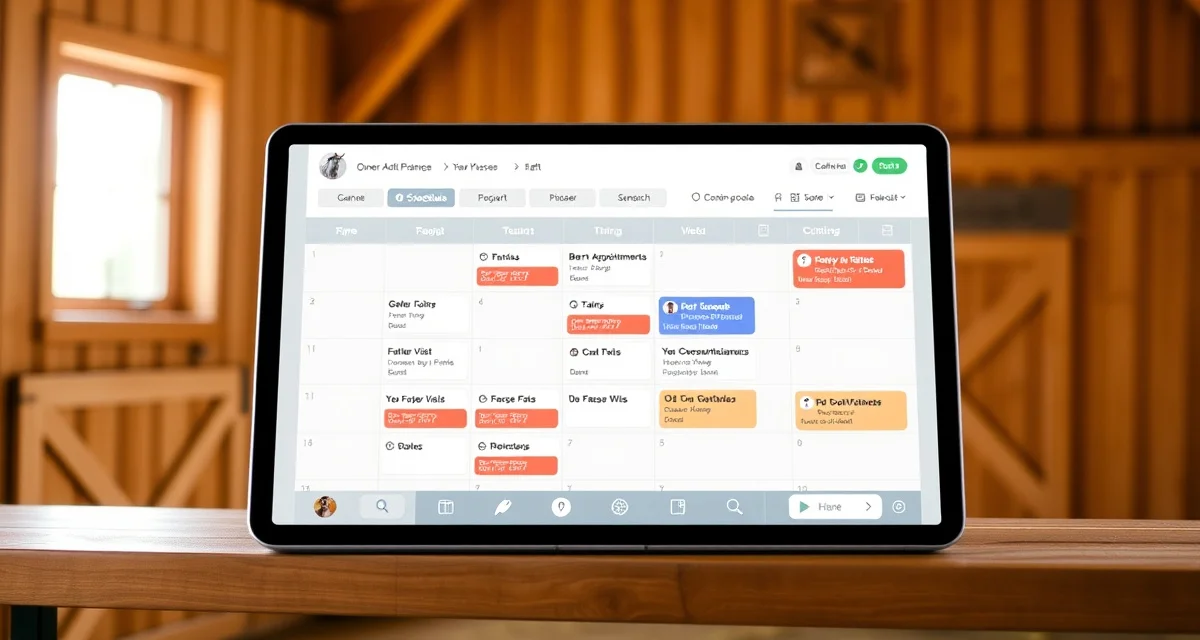
Scheduling Features in Owner Portals
Scheduling is one of the most friction-heavy areas of boarding barn operations. Coordinating farrier visits, vet appointments, dental floats, and lesson schedules across dozens of horses and their owners generates a disproportionate amount of administrative work. Owner portal scheduling features reduce that friction by giving owners visibility into their horse's schedule and, in some implementations, the ability to request or book appointments directly.
What Scheduling Visibility Means for Owners
The baseline scheduling feature in an owner portal is visibility: the owner can see what appointments are upcoming for their horse. This is valuable for several reasons.
It allows owners to plan their own schedule if they want to attend a vet appointment or be present for a farrier visit. Without advance notice, owners often show up after the fact and miss appointments they would have attended.
It confirms that routine care is being scheduled. An owner who can see that their horse's next farrier appointment is in three weeks, and the one after that is six weeks later, has confidence that a schedule is being maintained. An owner who has no visibility into scheduling wonders whether routine care is happening as expected.
It reduces scheduling-related inbound messages. "When is the farrier coming?" is a question that disappears when the owner can check the calendar themselves.
Shared Barn Calendar vs. Individual Horse Schedule
Owner portal scheduling can be implemented at two levels: the individual horse level and the facility level.
Individual horse scheduling shows appointments specific to that owner's horse: upcoming farrier visit, scheduled vet appointment, dental float due date, next Coggins test expiration. This level of detail is most useful and most appreciated by owners.
Facility-level calendar shows barn-wide events: farrier visit day, veterinary clinic day, barn closure dates, upcoming shows the facility is attending. This is useful for planning barn visits and understanding when professional service providers will be on-site.
The most complete owner portal combines both, with the individual horse schedule linked to the facility calendar so that a farrier visit day on the barn calendar connects to an appointment record for the individual horse.
Appointment Notifications
The scheduling feature is only as useful as the notifications that go with it. A reminder that a farrier appointment is scheduled for Tuesday should go out with enough lead time for the owner to plan to attend if they want to. Two to three days ahead is generally appropriate.
A follow-up notification after the appointment closes the loop: "Farrier completed today's visit. Routine trim, no concerns noted." This post-appointment notification is one of the most appreciated communication touchpoints in a boarding operation. It confirms the service happened and gives the owner relevant information without requiring them to ask.
For health-related appointments, the post-visit notification should include the veterinarian's findings or the dentist's assessment at a summary level. Owners who receive clear post-appointment summaries feel informed and trust the management of their horse.
Scheduling Requests from Owners
Some barn management platforms allow owners to submit scheduling requests through the portal. An owner who wants their horse's teeth floated in the next month can submit a request, which the barn manager reviews and schedules at a convenient time.
This feature reduces the back-and-forth of scheduling conversations. Instead of an email thread to find a mutually convenient time, the owner submits a request, the barn manager schedules it, and the appointment appears on the owner's portal.
The effectiveness of this feature depends on implementation. If requests fall into an inbox that doesn't get checked regularly, the feature becomes a source of frustration rather than efficiency. Build a clear workflow for handling scheduling requests before offering this capability to clients.
Integration with Your Care Management System
Scheduling features work best when integrated with the broader management system. When a farrier visit is scheduled and the appointment appears in the owner portal, the same record should drive the billing charge when the visit is completed. When a vet appointment is logged, the notes and findings from that appointment should appear in the horse's health record, which is visible in the portal.
BarnBeacon connects scheduling, care records, and owner communication so that appointments, completions, and billing all flow through one system. This eliminates the administrative work of maintaining separate records in separate places and ensures that owners see a complete, current picture of their horse's care.
FAQ
What is Scheduling Features in Owner Portals?
Scheduling features in owner portals are digital tools built into barn management software that give horse owners visibility into their animal's upcoming appointments — farrier visits, vet exams, dental floats, and lessons. More advanced implementations allow owners to request or book appointments directly. These features are part of a broader owner portal that centralizes communication, health records, and billing between boarding barns and the horse owners they serve.
How much does Scheduling Features in Owner Portals cost?
Scheduling features are typically included as part of a barn management software subscription rather than priced separately. Most platforms charge barn operators a monthly fee ranging from roughly $50 to $300 or more depending on barn size and feature tier. Owners generally access the portal at no cost. If you're comparing platforms, ask whether scheduling is included in the base plan or requires an upgraded tier.
How does Scheduling Features in Owner Portals work?
Owner portals with scheduling features connect to the barn's internal calendar. When a barn manager books a farrier or vet appointment, it appears in the owner's portal view for their specific horse. Some systems send automated notifications via email or SMS. In self-service implementations, owners submit appointment requests through the portal, which the barn manager approves or adjusts, eliminating back-and-forth phone calls and messages.
What are the benefits of Scheduling Features in Owner Portals?
The primary benefits are reduced administrative workload for barn staff and greater transparency for owners. Staff spend less time answering routine questions like 'when is the farrier coming?' Owners gain confidence that scheduled care is being maintained and can plan to attend appointments they'd otherwise miss. The result is fewer communication gaps, stronger trust between barn and owner, and a more professionally managed operation overall.
Who needs Scheduling Features in Owner Portals?
Any boarding barn managing multiple horses and owners can benefit, but the need becomes acute at mid-size to large facilities where coordinating schedules across dozens of horses creates meaningful administrative overhead. Owners who are actively involved in their horse's care — attending vet visits, monitoring farrier cycles, tracking lesson progress — get the most direct value. Barns competing for discerning clients also benefit from the professionalism that transparent scheduling signals.
How long does Scheduling Features in Owner Portals take?
Setup time depends on the platform and how much existing schedule data needs to be migrated or entered. Most barns can configure basic scheduling visibility within a day or two of onboarding. Owners typically gain access immediately once the barn activates their portal. Ongoing time investment is minimal — appointment data flows from the barn's existing scheduling workflow into the portal without requiring duplicate data entry when the system is properly integrated.
What should I look for when choosing Scheduling Features in Owner Portals?
Look for a system where scheduling integrates with the barn's existing workflow rather than requiring separate data entry. Automated notifications (email or SMS) when appointments are booked or changed are important for owner engagement. If self-service booking matters to you, confirm whether owners can request appointments or only view them. Also evaluate how the calendar handles recurring appointments like regular farrier cycles, and whether the portal makes it easy to attach notes or outcomes to completed visits.
Is Scheduling Features in Owner Portals worth it?
For barn operators managing more than a handful of horses, yes. The reduction in inbound scheduling questions alone recovers meaningful staff time each week. For owners, the visibility reduces anxiety and builds trust in the barn's management practices. The compounding benefit is that better communication reduces turnover — owners who feel informed are more likely to stay. Most barns that adopt scheduling features cite it as one of the higher-value components of their owner portal investment.