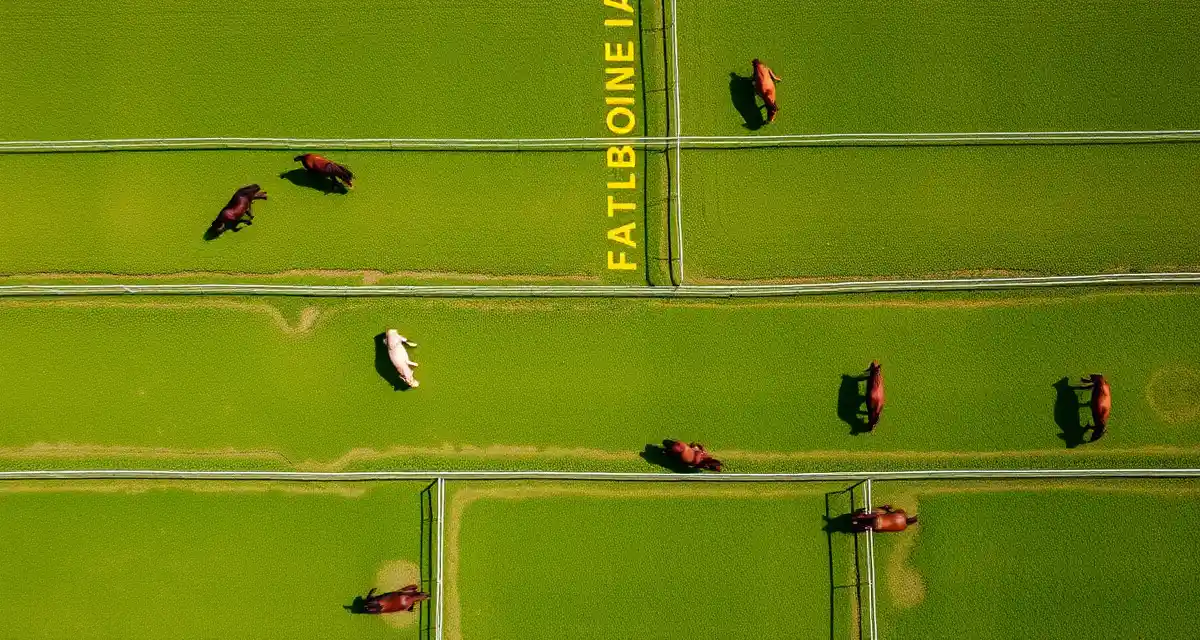
Planning Pasture Rotation at a Horse Property
Starting a pasture rotation program requires upfront planning that pays off in years of better pasture condition, lower hay costs, and healthier horses. This guide walks through the planning process from initial assessment to building a workable rotation schedule.
Step One: Assess Your Current Situation
Before designing a rotation system, understand what you're working with.
Walk every paddock and pasture on your property and note: current grass cover percentage, predominant plant species, areas of heavy overgrazing or bare soil, drainage patterns and wet areas, and existing fencing that could define sections.
Count your horses and estimate how many will be on turnout simultaneously. A facility with twenty-five horses doesn't necessarily turn all twenty-five out at once; some may be in active training, in stalls for medical reasons, or on limited turnout.
Calculate your rough grazing acreage, excluding sacrifice paddocks, drylots, and consistently wet areas that won't support grass.
Step Two: Determine Your Section Count and Size
The rule of thumb for planning section count is that you need enough sections that each section gets adequate rest while the others are being grazed. More sections mean longer rest periods for each one.
A practical minimum is three sections, which allows one-third of your acreage to rest while two-thirds are in use. Four sections is better; it allows a more generous rest cycle and flexibility to leave a section out of rotation for renovation or reseeding.
If your calculations suggest your horse population is too large for your acreage to support any meaningful rotation, that's critical information. A facility with thirty horses on ten acres doesn't have a rotation opportunity; it has an overgrazing problem that requires reducing horse density or bringing in significant hay to reduce grazing pressure.
Step Three: Design Your Section Layout
On a property map, sketch your proposed sections. Consider:
Natural boundaries: Trees, drainage features, and topographic changes can help define sections without additional fencing.
Existing fencing: Existing internal fences can become section dividers if they're in the right locations.
Gate placement: Each section needs a gate or access point that allows you to move horses without routing them through other sections when possible.
Water access: Each section needs water. Plan where tanks or automatic waterers will be located before finalizing your layout.
Section shape: Irregular shapes work; horses graze in all directions. What matters more is that each section has consistent access to water and shade and doesn't have dangerous fence corners where horses could get trapped.
Step Four: Build a Rotation Calendar
A rotation calendar translates your section plan into a practical schedule. For each month of the year, assign which section will be grazed and which sections will rest.
Account for seasonal variation. In spring with fast growth, you may be able to rotate through sections quickly and allow recovery in two to three weeks. In late summer drought or winter, recovery may take four to eight weeks or longer.
Build in flexibility. If a section is damaged in a wet spring, you may need to pull it from rotation earlier than planned and put it into a longer recovery. A rigid schedule that can't accommodate weather and conditions will break down.
Write the calendar down and post it in the barn. If you use a barn management platform, build the rotation dates into your task schedule. BarnBeacon supports recurring task scheduling so that rotation reminders are built into your weekly task list rather than depending on memory.
Step Five: Establish Pasture Monitoring Habits
A rotation calendar tells you when to move horses. Monitoring tells you whether the schedule is actually working.
Get in the habit of measuring or estimating grass height in each section regularly. When a grazed section reaches the move threshold of three to four inches, move the horses regardless of whether the calendar says it's time. When a resting section reaches the return threshold of six to eight inches, it's ready to bring horses back.
Take notes when you make schedule adjustments so you build a historical picture of how your pastures perform in different seasons. This information improves your planning each year.
Step Six: Soil and Seed Renovation
A rotation program gives you the opportunity to renovate sections during their rest periods. Overseeding bare spots, applying lime or fertilizer based on soil test results, and harrowing to spread manure piles are all best done when horses are off the section.
Build renovation work into your annual calendar as part of the rotation plan. The section that comes out of rotation in September is a candidate for overseeding in October. The section that hasn't had lime in three years gets it applied in the fall while it's resting.
For related reading, see pasture rotation management and pasture group management.
FAQ
What is Planning Pasture Rotation at a Horse Property?
Pasture rotation at a horse property is a structured grazing management system where horses are moved between divided paddock sections on a scheduled basis. Rather than allowing horses continuous access to the same ground, the property is split into multiple sections so each area can rest and regrow between grazing periods. This prevents overgrazing, reduces bare soil and weed pressure, and maintains healthier, more productive grass cover year-round.
How much does Planning Pasture Rotation at a Horse Property cost?
Pasture rotation itself costs nothing beyond your time and planning effort. Upfront expenses vary by property and may include fencing to divide existing pastures into sections, water line extensions to new paddocks, and any reseeding or soil amendment needed for damaged areas. Most horse property owners can implement a basic three- or four-section rotation for a few hundred to a few thousand dollars depending on acreage and existing infrastructure.
How does Planning Pasture Rotation at a Horse Property work?
Pasture rotation works by dividing your grazing acreage into multiple sections and moving horses through them in sequence. Horses graze one section while the others rest and regrow. The cycle length depends on how quickly grass recovers in your climate, typically four to eight weeks per section. A sacrifice paddock or drylot keeps horses off all pasture sections during wet conditions or when grass needs extended recovery time.
What are the benefits of Planning Pasture Rotation at a Horse Property?
The main benefits include significantly improved grass cover and pasture productivity, reduced hay costs as pastures produce more usable forage, lower parasite loads because rest breaks interrupt larval development cycles, reduced mud and erosion from overgrazing, and better hoof and respiratory health for horses spending less time in bare, dusty or muddy conditions. Properties with consistent rotation programs often see pasture quality improve measurably within a single growing season.
Who needs Planning Pasture Rotation at a Horse Property?
Any horse property owner managing horses on grass can benefit from pasture rotation, but it is especially important for properties with multiple horses, limited acreage, or pastures already showing signs of overgrazing. Small properties with two or more horses are particularly vulnerable to rapid pasture degradation without rotation. Boarding facilities, breeding operations, and private hobby farms all benefit, though the scale and complexity of the rotation plan will vary.
How long does Planning Pasture Rotation at a Horse Property take?
Initial planning typically takes a few hours to a few days depending on property size and complexity. Walking paddocks, assessing grass coverage, counting grazing animals, and sketching a section layout can usually be completed in a weekend. Installing additional fencing or water access may take additional weeks. Once the system is set up, ongoing management is straightforward, requiring periodic moves between sections and seasonal monitoring of grass height and recovery.
What should I look for when choosing Planning Pasture Rotation at a Horse Property?
When designing your rotation plan, look for a system with enough sections to provide adequate rest periods, ideally three sections at minimum and four or more for better flexibility. Ensure each section has reliable water access and manageable footing. Consider your soil type, climate, and grass recovery rate when setting rotation intervals. Also evaluate whether you have or need a sacrifice paddock to keep horses off pasture during wet weather or extended rest periods.
Is Planning Pasture Rotation at a Horse Property worth it?
Yes, pasture rotation is widely considered one of the highest-return investments a horse property owner can make. The upfront planning and any fencing costs are typically recovered through reduced hay purchases, lower parasite treatment costs, and less reseeding or pasture rehabilitation expense over time. Beyond economics, healthier pastures mean healthier horses and better overall property condition. For any property with multiple horses on limited acreage, rotation is not just worthwhile but essentially necessary for long-term sustainability.