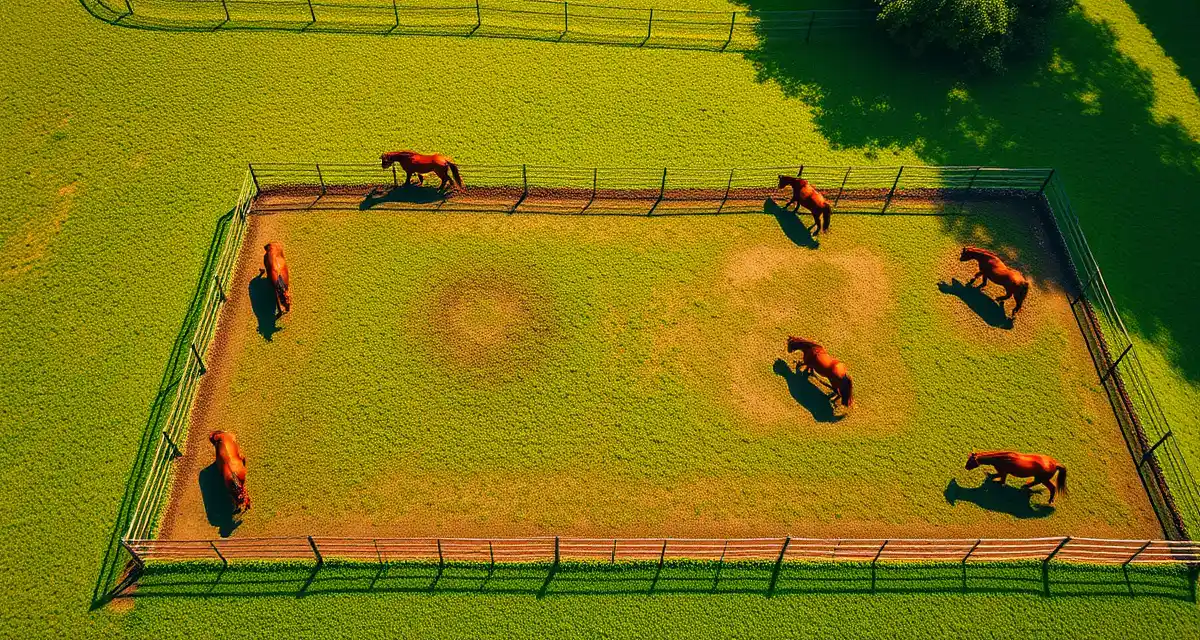
Scheduling Paddock Rotation to Protect Pasture and Manage Groups
Paddock rotation is one of the most effective tools an equine facility manager has for protecting pasture health, managing parasite loads, and reducing mud and overgrazing. It's also one of the most frequently neglected aspects of facility management because it requires planning and discipline that can fall apart under the daily pressures of running a barn.
Done well, a rotation schedule extends the productive life of your pastures significantly, reduces your hay costs during grazing season, and creates better conditions for horses in turnout. Done poorly, you end up with a few destroyed paddocks and a few underused ones, and the management value is lost.
Why Rotation Matters
Horses are hard on pasture. They overgraze favorite areas down to bare dirt while leaving other sections tall and rank. They concentrate manure near fence lines and water sources. Their hooves compact soil and break down turf, especially in wet conditions.
Without rotation, the degraded areas get worse every season. Weeds colonize bare patches. Parasite larvae concentrate where manure accumulates. Mud becomes a permanent condition in high-traffic areas. Over years, a facility without a rotation program can lose significant pasture productivity.
With rotation, grass has time to recover between grazing periods. Parasites die off in unused paddocks because the horse population isn't there to maintain the cycle. Manure can be spread or composted in rested areas. Soil structure recovers. The cumulative effect over several seasons is dramatically better pasture condition.
Planning Your Rotation Schedule
The basic principle is dividing your total turnout acreage into sections and moving horses between them on a schedule that gives each section adequate rest time. The rest period depends on grass growth rate, which varies by season and climate. In active growing conditions, four to six weeks of rest between grazings is often sufficient. In late summer drought or winter, rest periods may need to be longer because grass recovery is slower.
A common rule of thumb is that horses should be moved off a paddock when grass is grazed down to three to four inches, and returned when it has regrown to six to eight inches. This prevents the overgrazing that eliminates root reserves and kills turf.
Calculate your paddock needs based on your horse population and your land. A rough planning figure is one to two acres per horse for full-time turnout, divided into three to four rotating sections. A facility with twenty horses and forty acres might divide into four ten-acre sections, rotating every four to six weeks during growing season.
Grouping Horses for Rotation
Rotation scheduling intersects with your group management strategy. Moving compatible groups between paddocks is easier than rotating individual horses, and maintaining consistent social groups reduces the stress of rotation.
When designing your rotation groups, think about compatibility: mares and geldings if your facility separates by sex, dominant horses who do better with particular paddock mates, horses with special feeding needs who should not be in a mixed grazing group. See our guide on pasture group management for a deeper look at group composition.
Map your rotation so that paddock reassignments align with your existing group structure. If possible, rotate groups to paddocks that haven't hosted that group before, which helps with parasite management since larvae from the previous group will have died off in the rest period.
Tracking and Managing the Schedule
Rotation schedules that exist only in the barn manager's head fail when the manager is sick, on vacation, or dealing with a crisis and doesn't have mental bandwidth for the rotation calendar. Write the schedule down, and use a system that sends reminders when a paddock rotation is due.
BarnBeacon's scheduling tools allow you to build recurring tasks for paddock rotation, so the reminder arrives before the paddock gets overgrazed rather than after you notice the damage. Staff can see which group is due to rotate and to which paddock without needing to ask the manager.
Adjusting for Wet Seasons
The most common reason rotation schedules break down is wet weather. When paddocks are saturated, moving horses off dry pads into a muddy field is counterproductive, and the temptation is to keep horses on sacrifice areas until conditions improve.
Have wet-weather contingencies built into your plan. Designate sacrifice paddocks for wet conditions and remove them from the rotation during recovery. Graveled or geotextile-surfaced sacrifice areas allow you to maintain turnout without sacrificing the planted paddocks to mud damage.
For related reading, see pasture rotation management and pasture paddock management.
FAQ
What is Scheduling Paddock Rotation to Protect Pasture and Manage Groups?
Paddock rotation scheduling is a systematic approach to moving horses between divided pasture areas on a planned cycle. Rather than allowing continuous grazing in one area, horses are shifted to rested paddocks while grazed sections recover. For equine facility managers, it combines grass recovery timing, group compatibility, parasite management, and seasonal conditions into a repeatable schedule that protects long-term pasture health and keeps horses in better turnout conditions throughout the year.
How much does Scheduling Paddock Rotation to Protect Pasture and Manage Groups cost?
Paddock rotation itself costs nothing beyond your existing land and fencing. The real investment is in setup: dividing pastures into multiple paddocks using temporary or permanent fencing, which can range from a few hundred to several thousand dollars depending on acreage and materials. Ongoing costs are minimal. The financial upside is significant — reduced hay costs during grazing season and lower long-term pasture rehabilitation expenses far outweigh the initial infrastructure investment for most facilities.
How does Scheduling Paddock Rotation to Protect Pasture and Manage Groups work?
A rotation schedule divides available pasture into three or more paddocks. Horses graze one section for a set period — typically 5 to 14 days depending on grass growth and stocking density — then move to the next rested paddock. The vacated section is rested, ideally for 30 to 60 days, allowing grass to regrow to a target height before reintroduction. Manure harrowing during rest periods accelerates recovery and disrupts parasite larval development.
What are the benefits of Scheduling Paddock Rotation to Protect Pasture and Manage Groups?
The benefits include healthier, more productive pasture that requires less hay supplementation, reduced parasite burdens through interrupted larval development cycles, less mud and soil compaction from concentrated hoof traffic, better weed control as grass canopy recovers, and more consistent turnout quality for horses. Facilities with well-managed rotation programs also tend to have lower long-term land maintenance costs and greater flexibility when managing multiple groups or turnout schedules.
Who needs Scheduling Paddock Rotation to Protect Pasture and Manage Groups?
Any equine facility with more than one or two horses and access to pasture benefits from a rotation program. It is especially critical for boarding barns managing multiple groups, breeding operations with varying turnout needs, and training facilities where pasture condition directly affects horse welfare and client satisfaction. Small private farms with limited acreage benefit most, since overgrazing pressure is highest when stocking density relative to available land is elevated.
How long does Scheduling Paddock Rotation to Protect Pasture and Manage Groups take?
A single rotation cycle — from grazing one paddock to returning to it — typically takes 30 to 60 days depending on climate, soil fertility, grass species, and stocking rate. Within that cycle, individual paddocks are grazed for roughly one to two weeks. Establishing a functional rotation system from scratch, including fencing and layout planning, usually takes one to two weeks of setup work before the first cycle begins.
What should I look for when choosing Scheduling Paddock Rotation to Protect Pasture and Manage Groups?
Look for a schedule built around your specific grass growth rates and local climate rather than a generic template. Effective rotation plans account for seasonal slowdowns in grass growth, adjust rest periods accordingly, and include flexibility for weather disruptions. Consider how group compatibility and individual horse needs affect paddock assignments. A good system is also realistic for your staffing — a rotation that requires daily moves may not be sustainable at a busy facility.
Is Scheduling Paddock Rotation to Protect Pasture and Manage Groups worth it?
Yes, for nearly any facility with horses on pasture, paddock rotation is worth the effort. It extends the productive life of your pastures, reduces dependence on purchased hay during grazing season, and creates measurably better conditions for horse health and welfare. The initial work of setting up a rotation plan pays back quickly in reduced pasture rehabilitation costs and lower hay bills. Facilities that skip rotation often face escalating costs from degraded land that becomes harder and more expensive to recover over time.