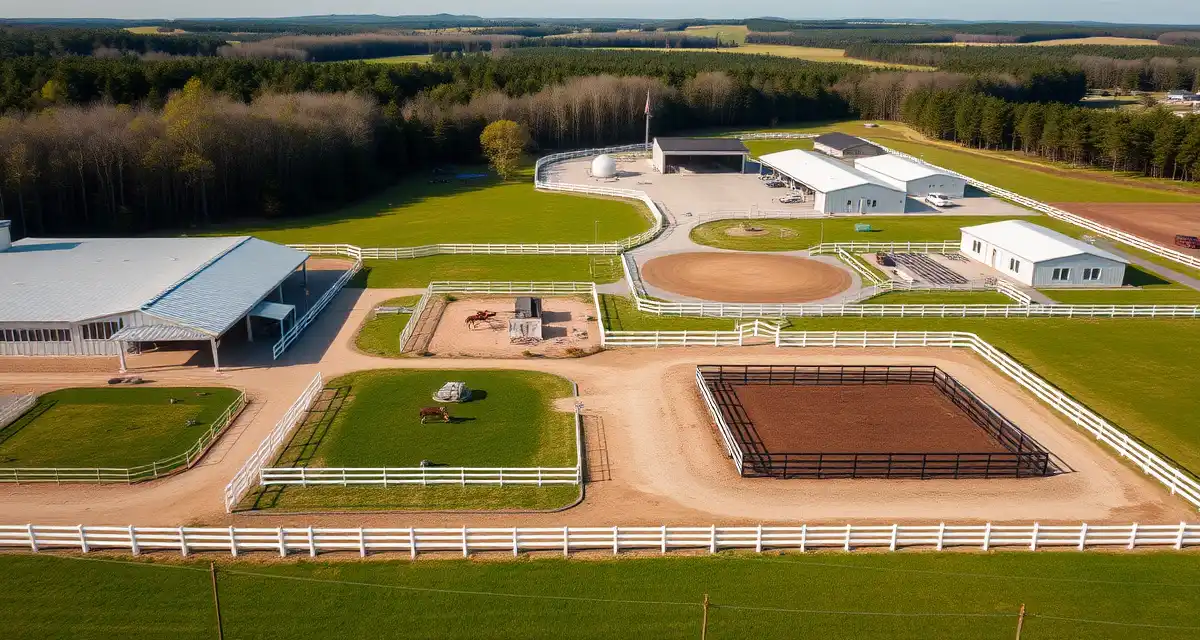
Barn Management for Virginia Equine Facilities
Virginia has one of the strongest equestrian communities in the United States. The combination of favorable climate, deep equestrian tradition, proximity to Washington D.C., and established infrastructure for horse sport makes it a genuinely distinctive market for equine facility operations.
Virginia's Equestrian Landscape
Virginia's equine industry is concentrated in the Piedmont and Northern Shenandoah Valley regions, with significant populations in Loudoun, Fauquier, Clarke, and Albemarle counties. The Northern Virginia market in particular is dense with boarding facilities serving a competitive, high-income clientele with serious expectations about facility quality and management communication.
The discipline mix in Virginia leans heavily toward hunter/jumper and dressage, with foxhunting traditions maintained by active hunt clubs throughout the Piedmont. Western disciplines have a presence in the more rural western counties. Racing, both thoroughbred and standardbred, maintains a significant industry footprint in the state.
This mix means Virginia boarding barns serve a range of clients, from recreational trail riders in the western counties to serious competitive riders preparing for rated shows on the A circuit. The management needs differ substantially between these populations.
Client Expectations in the Virginia Market
Virginia's competitive equestrian market has calibrated boarder expectations upward. Clients who board in Middleburg, The Plains, or Warrenton often have significant experience with high-quality facilities and expect professional-grade management practices.
Key expectations in the Virginia market:
Communication quality. Regular updates, documented health records, and proactive notification of any health or care issues. Virginia boarders are generally not the type to call once a month and take your word for it. They want records they can access and communication that's timely.
Veterinary coordination. Many Northern Virginia boarding facilities work with well-known ambulatory practices that serve the show community. Vet communication and veterinary records management that's organized and current supports those professional relationships.
Billing clarity. Variable charges are common in a market where supplemental services are standard. Variable charge tracking that produces clean, itemized invoices reduces billing friction with clients who review their statements carefully.
Turnout quality. Virginia's climate allows for substantial outdoor time most of the year. Facilities that can document turnout hours and paddock rotation are better positioned with clients who care about these practices.
Climate and Operations
Virginia's climate is generally favorable for horses, with mild winters in most years, warm summers, and adequate rainfall for pasture management. The main climate challenges are:
Summer heat and humidity. Especially in the Northern Piedmont and along the I-66 corridor, July and August can be hot and humid. Turnout management during summer months should account for heat by scheduling outdoor time in cooler morning and evening windows.
Mud. Virginia soils, particularly clay-heavy soils common in the Piedmont, can become severely muddy in wet seasons. Pasture management and paddock footing investment are common topics at Virginia facilities. Turnout rotation protocols help preserve pasture quality.
Horse show season. Virginia's show calendar is extensive. Facilities serving competitive clients will see horses leaving for multi-day shows regularly, which creates scheduling gaps and requires careful communication about who is responsible for care during transport and while on the road.
Regulatory and Industry Context
Virginia has an active equine industry organization and state-level resources through Virginia Cooperative Extension, which provides practical guidance on everything from pasture management to equine health. Virginia also has established regulations around equine activity liability that boarding facilities should understand and address in their contracts.
Technology Adoption in the Virginia Market
Northern Virginia's proximity to D.C. and the region's general affluence have accelerated technology adoption in the equine market there. Boarders who use digital tools for everything else expect digital access to their horse's care records. Barn management software that offers owner-facing record access is increasingly a baseline expectation at competitive facilities in the region.
BarnBeacon's owner communication tools address this directly: owners can view their horse's turnout records, health notes, upcoming appointments, and vaccination status from their phone without requiring staff to compile and send information manually.
What makes Virginia's equine market distinctive compared to other states?
The density of competitive horse sport, particularly in the Northern Piedmont region, creates a clientele with elevated expectations around facility quality and management communication. The market rewards professionalism.
Is barn management software standard practice at Virginia boarding facilities?
It's becoming so at competitive facilities in Northern Virginia. Boarders in this market are accustomed to digital access to services and information.
How do I handle the scheduling complexity of a facility that serves competitive clients?
Software that handles horse-specific scheduling, competition-related health documentation, and owner communication in one place reduces the coordination overhead significantly.
FAQ
What is Barn Management for Virginia Equine Facilities?
Barn management for Virginia equine facilities refers to the systems, software, and operational practices used to run horse boarding operations, training barns, and equestrian centers across the state. Given Virginia's dense equestrian market—especially in Loudoun, Fauquier, and Albemarle counties—effective barn management encompasses horse health tracking, client communication, billing, scheduling, and compliance with state agricultural regulations. It addresses the specific needs of Virginia's discipline mix, from hunter/jumper and dressage operations to foxhunting properties and racing stables.
How much does Barn Management for Virginia Equine Facilities cost?
Barn management software for Virginia facilities typically costs between $50 and $300 per month depending on the size of your operation and the features required. Larger Northern Virginia boarding barns serving competitive A-circuit clients may invest in premium platforms with advanced client portals and invoicing. Many providers offer tiered pricing based on horse count or stall numbers. Some offer free trials, and the cost is generally offset quickly by reduced administrative hours and fewer billing errors.
How does Barn Management for Virginia Equine Facilities work?
Barn management for Virginia facilities works by centralizing daily operations into a structured system—either software-based or procedural. Managers track horse care schedules, feeding programs, farrier and vet appointments, turnout rotations, and boarder billing in one place. Communication tools keep clients updated on their horses, which is especially important for the high-expectation clientele common in Northern Virginia markets. Automated invoicing, digital waivers, and health record logging replace paper systems and reduce administrative overhead for barn staff.
What are the benefits of Barn Management for Virginia Equine Facilities?
The primary benefits include reduced administrative burden, fewer billing disputes, stronger client retention, and better horse health oversight. For Virginia barns serving competitive riders, professional communication and transparent record-keeping are often deciding factors in where clients choose to board. Structured management systems also help facilities scale, maintain compliance with state veterinary and agricultural requirements, and respond quickly during emergencies such as disease outbreaks or severe weather events common to the Virginia Piedmont.
Who needs Barn Management for Virginia Equine Facilities?
Any Virginia equine facility with paying boarders or a training program benefits from structured barn management. This includes full-care boarding barns in Loudoun and Fauquier counties, hunter/jumper and dressage training operations, foxhunting stables, lesson programs, and racehorse stabling operations. Even smaller hobby farms transitioning to commercial boarding need foundational systems for billing, liability documentation, and horse care records. Facilities serving Northern Virginia's competitive, high-income clientele especially benefit from polished client-facing tools.
How long does Barn Management for Virginia Equine Facilities take?
Implementing barn management software typically takes one to four weeks for a Virginia equine facility, depending on operation size and the complexity of existing records. Initial setup involves importing horse and client data, configuring billing structures, and establishing care protocols. Staff training generally requires a few days. Transitioning from paper-based systems takes longer than upgrading from basic spreadsheets. Most facilities see full workflow adoption within 30 to 60 days of going live with a new platform.
What should I look for when choosing Barn Management for Virginia Equine Facilities?
Look for software built for equine operations specifically, not generic farm management tools. Prioritize features like per-horse health records, automated invoicing, client communication portals, and mobile accessibility for barn staff. For Virginia facilities, consider platforms that handle the nuances of board agreements, add-on service billing, and show prep scheduling. Ease of use matters—your staff needs to adopt it. Read reviews from comparable operations, request demos, and confirm the provider offers responsive customer support.
Is Barn Management for Virginia Equine Facilities worth it?
Yes, for most Virginia equine facilities operating at a commercial scale, structured barn management is worth the investment. The Northern Virginia and Piedmont markets are competitive, and boarders have high expectations for communication and professionalism. Barns that run organized, transparent operations retain clients longer and attract higher-value boarders. The time saved on administrative tasks alone often justifies the software cost within the first few months, and the reduction in billing errors and client disputes adds further measurable value.
Sources
- Virginia Cooperative Extension, equine management resources
- Virginia Horse Industry Board, industry statistics and resources
- American Association of Equine Practitioners (AAEP), equine care guidelines
- Virginia Department of Agriculture and Consumer Services, equine resources