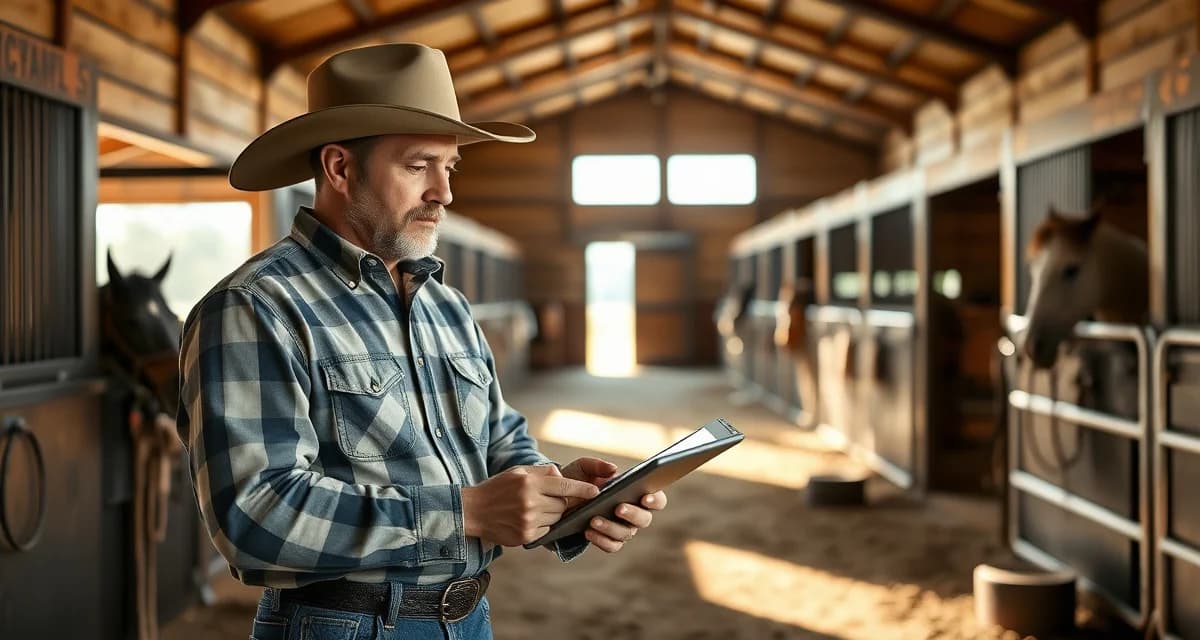
Team Roping Barn Owner Communication: Communication and Updates
Team roping barn owner communication runs on a different clock than most equine disciplines. Owners are often traveling the rodeo circuit, juggling header and heeler schedules, and making fast decisions about which horses compete when. Generic barn software was not built for that reality.
TL;DR
- Emergency protocols are only useful if they are written, posted, and reviewed with all staff before an emergency occurs.
- Contact sheets with vet, farrier, and owner information should be in every barn aisle and accessible from every phone.
- Incident documentation immediately after an event protects the facility legally and supports insurance claims.
- Evacuation routes for horses need to be practiced, not just posted: horses trained to load quickly during drills load faster in emergencies.
- Staff who have never seen a colic or lacerations make worse decisions than staff who have reviewed protocols in advance.
- BarnBeacon stores emergency contacts, health records, and Coggins documents accessibly from any device at any time.
The lead data point is simple: team roping disciplines have unique owner communication patterns that off-the-shelf barn management tools consistently fail to address. This guide walks through exactly how to fix that.
Why Team Roping Barns Need a Different Communication Approach
Most barn communication guides assume a predictable weekly rhythm: lessons, trail rides, maybe a show on the weekend. Team roping does not work that way.
Horses rotate in and out of competition readiness based on soreness, scoring streaks, and partner availability. Owners need real-time updates, not a weekly newsletter. A header's horse that pulled up short on Tuesday affects a heeler's competition plan by Wednesday morning.
The stakes are also financial in a very specific way. A competitive team roping horse can represent a $50,000 to $200,000+ investment. Owners expect communication that reflects that value, not a generic "your horse is doing well" text message.
Step 1: Map Your Owner Communication Touchpoints
Identify Who Needs What Information
Start by segmenting your owners into communication tiers. Not every owner needs the same update frequency or level of detail.
- Active competitors: Owners whose horses are currently in rotation for jackpots or ropings. These owners need daily or near-daily updates during competition weeks.
- Conditioning owners: Horses in training but not yet competing. Weekly progress reports with specific metrics work well here.
- Layup or recovery owners: Horses resting or rehabbing. These owners need clear milestone updates, not daily check-ins.
Write down each owner's name, their horse's current status, and their preferred contact method. This list becomes your communication baseline.
Audit Your Current Communication Gaps
Ask yourself where updates fall through the cracks. Common failure points in team roping barns include:
- No system for notifying owners when a horse is pulled from a scheduled roping
- Inconsistent vet and farrier update delivery
- No record of what was communicated and when
If you cannot pull up a log of the last five things you told a specific owner, you have a documentation gap.
Step 2: Set Up Your Communication Channels
Choose a Primary Channel and Stick to It
The biggest mistake team roping barn managers make is using too many channels at once. Text messages, Facebook messages, phone calls, and emails all running in parallel means things get missed and owners get frustrated.
Pick one primary channel for routine updates. For most team roping barns, a dedicated owner communication portal outperforms text threads because it creates a searchable record both parties can reference.
Use Secondary Channels for Urgency Tiers
Reserve phone calls for genuine emergencies: colic, injury, or a horse that needs an immediate vet decision. Use your primary channel for everything else.
Set this expectation with owners upfront. Tell them directly: "Routine updates come through the portal. If I'm calling your cell, it's urgent." That single sentence reduces after-hours interruptions significantly.
Step 3: Build Your Update Templates
Daily Competition Week Update
During jackpot weeks or major ropings, owners want a short, factual update. A template that works:
> [Horse Name] - [Date]
> Condition: [Good / Monitoring / Pulled from rotation]
> Today's work: [Brief description]
> Competition status: [Scheduled / Scratched / Competed - result]
> Next update: [Time/day]
Keep it under 100 words. Owners on the road read these on their phones between runs.
Weekly Training Progress Report
For horses in conditioning, a slightly longer format works better:
> Weekly Update: [Horse Name]
> Training focus this week: [e.g., rate and stop work, barrier practice]
> Notable progress: [Specific observation]
> Any health or soundness notes: [Or "No concerns this week"]
> Upcoming: [Next milestone or scheduled evaluation]
Specific observations beat vague reassurances every time. "He's rating the dummy consistently at 25 feet" tells an owner more than "he's coming along nicely."
Vet and Farrier Visit Summary
Every professional visit should generate a written summary sent to the owner within 24 hours. Include:
- Date and provider name
- What was done or assessed
- Any follow-up recommended
- Cost if applicable
This protects you legally and builds owner trust simultaneously.
Step 4: Implement a Structured Update Schedule
Set Expectations at Intake
When a new horse arrives at your barn, hand the owner a one-page communication policy. It should cover:
- How often they will receive routine updates
- What triggers an immediate notification
- How to reach you for non-urgent questions
- Response time expectations on your end
Owners who know what to expect are far less likely to send anxious texts at 10 PM.
Use a Consistent Send Time
Routine updates sent at the same time each day or week train owners to look for them. 7 AM works well for team roping barns because it fits before most owners head to morning practice or travel.
Consistency also reduces the "no news is bad news" anxiety that drives unnecessary check-in calls.
Step 5: Use Technology That Fits Team Roping Workflows
What Generic Tools Get Wrong
Most barn management software was designed around lesson programs and boarding facilities with predictable schedules. They lack fields for competition rotation status, partner horse coordination, or event-specific performance notes.
When evaluating tools, look for the ability to log competition results alongside health records, flag horses as "active rotation" versus "conditioning," and send targeted updates to owner subgroups. For a deeper look at how these workflows connect, see team roping barn operations.
What BarnBeacon Does Differently
BarnBeacon's owner portal was built to adapt to discipline-specific reporting needs, including the fast-moving update cycles that team roping barns require. Owners get a dedicated view of their horse's status, competition history, and health records in one place.
The portal supports tiered communication, so you can push a competition-week update to active rotation owners without sending irrelevant information to owners whose horses are in layup. That targeting saves time and keeps every owner's inbox relevant to their situation.
Common Mistakes to Avoid
Waiting until something goes wrong to communicate. Owners who only hear from you when there's a problem start to associate your contact with bad news. Consistent positive updates build the relationship that makes hard conversations easier.
Over-promising update frequency. If you tell an owner you will send daily updates and then miss three days during a busy week, you have created a trust problem. Set a schedule you can actually maintain.
Sending the same update to every owner. A horse in active competition rotation and a horse in a 90-day conditioning program have nothing in common from a communication standpoint. Segment your updates.
No paper trail. Verbal updates do not protect you when an owner disputes what they were told about a vet recommendation or a competition scratch. Written records in a centralized system are non-negotiable.
Related Articles
- Team Roping Barn Owner Communication: Daily Updates and Best Practices
- Team Roping Barn Owner Communication: Health and Updates
FAQ
How do I communicate with team roping horse owners?
Use a single primary channel, such as a dedicated owner portal, for all routine updates and reserve phone calls for urgent situations. Build templates for daily competition updates, weekly training reports, and vet visit summaries so communication is consistent and fast. Set expectations at intake so owners know exactly when and how they will hear from you.
What do team roping owners want to know about their horses?
Team roping owners prioritize competition readiness, soundness, and training progression. They want to know if their horse is in active rotation or pulled, what specific work was done that week, and any health or farrier notes. Because these horses represent significant financial investments, owners respond well to specific, factual updates rather than general reassurances.
What owner portal features matter for team roping barns?
Look for a portal that supports tiered owner groups so you can target updates by horse status, competition rotation versus conditioning versus layup. The ability to log competition results alongside health records in one timeline is critical. BarnBeacon's owner portal handles discipline-specific workflows, including the rapid update cycles that active team roping competition schedules demand.
How often should staff review emergency protocols?
Emergency protocols should be reviewed with all staff at least twice per year, and with each new employee during onboarding. Physical drills for horse evacuation, even informal ones, build the muscle memory that makes actual emergencies less chaotic. A protocol that has never been practiced will not function as intended under stress. Documenting review dates and participants creates a record that supports the facility's insurance position.
What information should be in a barn emergency contact sheet?
The emergency contact sheet should include the primary veterinarian's number, the emergency or after-hours vet line, the farrier, the feed supplier for emergencies, each horse owner's name and emergency contact, the facility owner or manager's number, and the addresses and phone numbers of the nearest large animal vet clinic and equine hospital. This sheet should be posted in the barn aisle and saved digitally in a location accessible from every staff member's phone.
How should I document a horse injury incident at my facility?
Document the incident immediately: the time, the horse, the nature of the injury, how it was discovered, what was done in response, and who was notified. Photograph the injury before and after first aid. Note any environmental factors that may have contributed, such as fencing condition or footing. Notify the owner the same day, by phone before sending a written summary. This documentation is essential for insurance purposes and protects the facility if the owner later claims inadequate response.
What is Team Roping Barn Owner Communication: Communication and Updates?
Team Roping Barn Owner Communication refers to the systems and protocols barn managers use to keep team roping horse owners informed while they travel the rodeo circuit. Because owners juggle header and heeler schedules across events, effective communication requires real-time updates on horse health, incident reporting, billing, and emergency contacts — all accessible from any device. Tools like BarnBeacon are designed specifically for this fast-moving, mobile ownership environment.
How much does Team Roping Barn Owner Communication: Communication and Updates cost?
BarnBeacon, the barn management platform designed for team roping facilities, offers subscription-based pricing tailored to barn size and feature needs. Costs vary depending on the number of horses, staff accounts, and modules required. For current pricing details, visit the BarnBeacon website directly or contact their support team to find a plan that fits your facility's communication and management requirements.
Sources
- American Association of Equine Practitioners (AAEP), equine emergency response guidelines
- American Red Cross, first aid training resources applicable to farm environments
- National Fire Protection Association (NFPA), fire safety standards for agricultural structures
- United States Department of Agriculture (USDA), livestock emergency preparedness resources
- American Horse Council, equine facility safety and emergency planning guidance
Get Started with BarnBeacon
BarnBeacon stores emergency contacts, health records, and Coggins documents in one place accessible from any phone at any time, so the information you need in an emergency is never locked in a binder in the office. Start a free 30-day trial to see how it fits your facility's safety protocols.