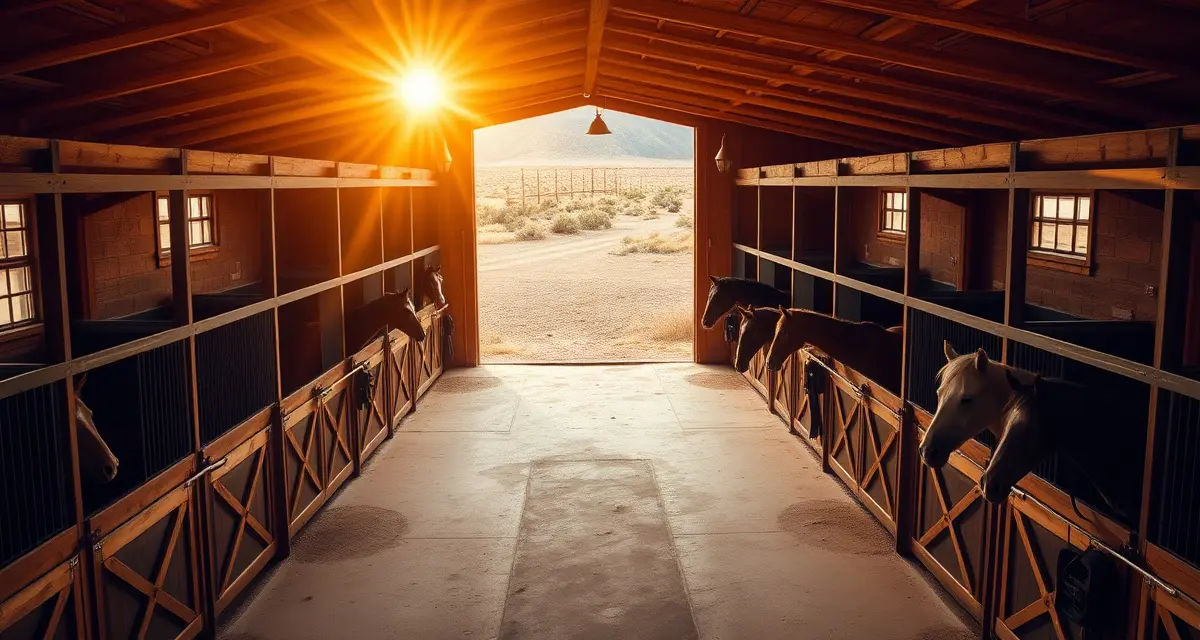
Running a Horse Boarding Business in New Mexico: Guide for Barn Owners
Horse boarding is a $4B+ industry in the United States, and New Mexico represents a meaningful slice of that market. With a strong ranching culture, active trail riding communities, and year-round rideable weather across much of the state, demand for quality boarding facilities is real and consistent.
TL;DR
- Horse boarding startup costs commonly reach $4 or more before a first horse arrives, depending on facility scope
- Break-even modeling should use 70% occupancy as the threshold, not full capacity
- Labor is underestimated by most new barn owners; budget 40% higher than your initial projection
- Feed and bedding alone can run $200 to $400 per horse per month at most US facilities
- A 90-day cash reserve is the practical minimum buffer for a new boarding operation
- Barn management software reduces administrative labor by hours per week, directly improving your break-even point
Running a horse boarding business in New Mexico comes with its own set of regulatory, operational, and pricing considerations. This guide covers what barn owners need to know to run a compliant, profitable operation.
The New Mexico Boarding Landscape
New Mexico's equine community is concentrated around Albuquerque, Santa Fe, Las Cruces, and the East Mountains, but rural boarding operations thrive throughout the state. The climate allows for outdoor paddock setups most of the year, which keeps infrastructure costs lower than in colder states.
That said, water access, drought conditions, and hay pricing fluctuations tied to regional supply chains are real cost pressures. Barn owners who don't account for these in their pricing often find margins eroding fast.
Licensing and Legal Requirements in New Mexico
New Mexico does not require a specific "horse boarding license," but operating a boarding facility still involves several legal steps.
- Business registration: Register your LLC or sole proprietorship with the New Mexico Secretary of State
- Zoning compliance: Confirm your property is zoned for agricultural or commercial equine use through your county
- Water rights: If you're drilling or diverting water for livestock, New Mexico's Office of the State Engineer may require a permit
- Sales tax: Boarding services may be subject to New Mexico's Gross Receipts Tax (GRT); consult a local CPA to confirm your obligations
Liability insurance is not legally mandated but is essential. Most lenders and property owners will require it, and one injury claim without coverage can end your business. Look for equine liability policies with at least $1M per occurrence.
Pricing Horse Boarding in New Mexico
boarding rates in New Mexico vary significantly by region and service level. General benchmarks:
- Pasture board: $150 to $300/month
- Dry lot or paddock board: $250 to $450/month
- Full stall board: $400 to $700/month in most markets; higher near Santa Fe and Albuquerque
Full-care operations that include daily feeding, turnout, and stall cleaning protocols sit at the higher end. Self-care or partial-care setups price lower but require less labor.
Factor in your actual costs before setting rates: hay, bedding, water, labor, insurance, and facility maintenance. Many New Mexico barn owners underprice because they don't account for hay cost volatility, which has spiked significantly in recent drought years.
Contracts and Owner Communication
A written boarding contract is non-negotiable. At minimum, yours should cover payment plans, late fees, care responsibilities, liability waivers, and emergency authorization for veterinary care.
New Mexico follows general contract law with no equine-specific boarding statute, so your contract language carries significant weight. Have an attorney review it before you use it.
Clear, consistent communication with horse owners reduces disputes and improves retention. Barn owners who use barn management software to send automated feeding updates, invoices, and health logs report fewer billing conflicts and stronger client relationships.
Managing Your Operation Efficiently
Manual tracking of board payments, feeding schedules, and farrier appointments across 20+ horses is where most barn owners lose time and money. A purpose-built platform handles the administrative side so you can focus on the horses.
BarnBeacon is built specifically for boarding barn operations, supporting New Mexico barn owners with billing automation, owner messaging, health record tracking, and digital contracts. If you're scaling past 10 horses or tired of chasing payments by text, it's worth a look.
For a broader overview of how to structure your operation from the ground up, the horse boarding business guide covers everything from facility planning to client acquisition.
How does BarnBeacon compare to spreadsheets for barn management?
Spreadsheets require manual updates, lack real-time notifications, and create version control problems when multiple staff members are working from different files. BarnBeacon centralizes records, pushes alerts automatically based on logged events, and connects care records to billing and owner communication in one system. Most facilities report saving several hours per week after switching from spreadsheets.
What is the setup process like for BarnBeacon?
Most facilities complete the initial setup in under a week. Horse profiles, service templates, and billing configurations can be imported from existing records or entered directly. BarnBeacon's US-based support team is available to assist with setup, and most managers are running their first billing cycle through the platform within days of starting.
Can BarnBeacon support a barn with multiple staff members?
Yes. BarnBeacon supports multiple user accounts with role-based access, so barn managers, barn staff, and owners each see the information relevant to their role. Task assignments, completion logs, and communication history are all attached to the barn's account rather than to individual staff phones or email addresses.
FAQ
What is Running a Horse Boarding Business in New Mexico: Guide for Barn Owners?
Running a horse boarding business in New Mexico means operating a facility where horse owners pay to house, feed, and care for their horses. New Mexico's strong ranching culture, year-round rideable climate, and active equine communities around Albuquerque, Santa Fe, and Las Cruces make it a viable market. This guide covers the regulatory requirements, pricing structures, operational best practices, and financial planning specific to barn owners launching or scaling a boarding operation in the state.
How much does Running a Horse Boarding Business in New Mexico: Guide for Barn Owners cost?
Startup costs for a New Mexico horse boarding facility commonly reach $4 or more per horse stall before the first boarder arrives, depending on facility scope and land costs. Ongoing expenses include feed and bedding ($200–$400 per horse per month), labor (budget 40% above your initial projection), insurance, and maintenance. Pricing typically ranges from $300 to $800+ per month per horse depending on services offered and region.
How does Running a Horse Boarding Business in New Mexico: Guide for Barn Owners work?
A horse boarding business works by leasing stall space and associated care services to horse owners who cannot or prefer not to keep horses on their own property. Barn owners manage daily feeding, turnout, stall cleaning, and facility upkeep. Revenue comes from monthly board fees, with add-on income from lessons, training, trail access, or arena rentals. Software tools now automate invoicing, feeding schedules, and communication to reduce administrative overhead.
What are the benefits of Running a Horse Boarding Business in New Mexico: Guide for Barn Owners?
Key benefits include recurring monthly revenue from a loyal customer base, relatively low churn compared to other service businesses, and the ability to scale gradually by adding stalls. New Mexico's climate reduces weather-related downtime. Diversifying into training, lessons, or event hosting increases revenue per square foot. Barn management software can save hours of administrative work weekly, directly improving your bottom line and allowing owners to focus on animal care.
Who needs Running a Horse Boarding Business in New Mexico: Guide for Barn Owners?
This guide is intended for aspiring barn owners considering launching a boarding facility in New Mexico, existing barn owners looking to improve profitability or compliance, and equestrians exploring a career transition into the equine services industry. It is also useful for investors or ranch owners evaluating whether to convert existing land into a boarding operation, and for anyone who wants to understand the financial and regulatory realities before committing capital.
How long does Running a Horse Boarding Business in New Mexico: Guide for Barn Owners take?
Building a profitable horse boarding business in New Mexico typically takes 12 to 24 months from initial planning to stable cash flow. Permitting, construction or renovation, and licensing can take three to six months before you accept your first horse. Reaching break-even generally requires hitting 70% occupancy, which can take six to eighteen months depending on your market and marketing effort. Maintaining a 90-day cash reserve is the practical minimum buffer during that ramp period.
What should I look for when choosing Running a Horse Boarding Business in New Mexico: Guide for Barn Owners?
When evaluating how to structure your New Mexico boarding operation, prioritize location relative to equestrian population centers like Albuquerque, Santa Fe, and Las Cruces. Look for clear zoning allowance for commercial equine use, water rights sufficient for livestock, and access to quality hay suppliers. Choose barn management software that handles billing, health records, and boarder communication in one platform. Ensure your liability insurance and boarding contracts comply with New Mexico agricultural and business statutes.
Is Running a Horse Boarding Business in New Mexico: Guide for Barn Owners worth it?
For the right person, yes. New Mexico's consistent riding climate, established equine culture, and underserved rural markets create genuine demand. However, success depends on disciplined financial modeling using 70% occupancy as your break-even threshold, not full capacity. Labor and feed costs are chronically underestimated by new operators. Those who invest in proper software, realistic cash reserves, and strong boarding contracts tend to reach profitability. Treat it as a business first and a lifestyle second.
Sources
- American Association of Equine Practitioners (AAEP)
- American Competitive Trail Horse Association (ACTHA)
- American Horse Council
- Kentucky Equine Research
- UC Davis Center for Equine Health
Get Started with BarnBeacon
A sound business plan and a reliable management system are two halves of the same operation. BarnBeacon gives boarding barns in New Mexico the billing automation, health record management, and owner communication tools that make the operational half work as well as the financial plan describes. Start a free trial and see how the platform fits the way your barn runs.