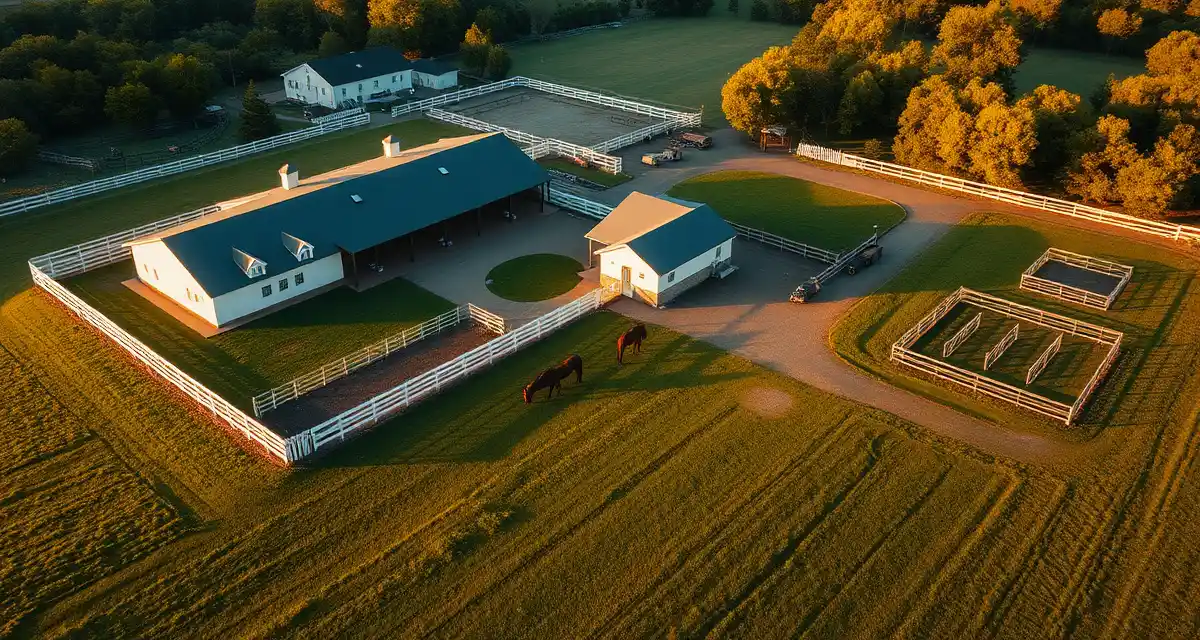
Rhode Island Equine Facilities: Barn Management Guide
Rhode Island is the smallest state geographically but has a dedicated equestrian community. The state's horse facilities are concentrated in Washington County, particularly in towns like Exeter, Richmond, and Hopkinton, where larger rural properties support boarding barns and training facilities. The hunt country tradition is strong in Rhode Island, and the state has several active fox hunting clubs.
Rhode Island's Equestrian Character
Rhode Island's equestrian community skews toward hunter-jumper, dressage, and hunt seat disciplines. The state's geography, with its accessible trail systems and rural western towns, also supports trail riding operations. The coastal areas attract recreational riders, while the inland western part of the state is home to most working equine facilities.
The horse population is modest by New England standards, which means most facilities serve a regional clientele and competition in the boarding market can be meaningful. Client retention and professional operations matter more in a smaller market.
Climate and Seasonal Management
Rhode Island's New England climate brings cold winters with ice and snow, humid summers, and wet springs. Mud management in spring is a significant operational challenge for most facilities. Managing paddock and arena footing through wet conditions, knowing when to restrict access to turnout areas to prevent damage, and maintaining proper drainage are ongoing facility management concerns.
Winter management involves frozen water systems, adequate barn ventilation, and adjusting blanketing as temperatures change through nor'easters and thaws. Documenting blanket management protocols ensures consistent care across staff shifts.
Regulatory Environment
Rhode Island does not have specific state licensing requirements for horse boarding facilities. Facilities with agricultural land may qualify for farm use tax exemptions through the Rhode Island Department of Environmental Management's agricultural assessment program. Local zoning in each town governs what uses are permitted on agricultural parcels.
Horses traveling for competition need current Coggins tests. Rhode Island occasionally implements additional import requirements during disease outbreaks in the region. Keeping organized veterinary records with current health documentation simplifies compliance.
Hunt Club Operations
Rhode Island's hunt clubs operate within a specific management tradition. Hunt club barns may board hunt horses, manage a hunt staff, and coordinate with landowners whose property the hunt crosses. The administrative complexity of managing a hunt club's horses, accounts, and relationships benefits from organized software tools.
BarnBeacon's billing and invoicing system handles the subscription and assessment billing common in hunt club structures, alongside standard board fees for individually owned horses.
Small Barn Operations
Many Rhode Island equine facilities are small, running 10 to 25 horses. At this scale, barn managers often wear multiple hats: they're also the primary care providers, trainers, and billing administrators. Efficiency in each of these functions is particularly important when one person handles all of them.
BarnBeacon's small barn features are designed for exactly this context. The owner portal reduces communication overhead even at small barns, and automated payment reminders eliminate the awkward follow-up process without requiring manual intervention.
Using Software at a Rhode Island Facility
The economics of small-state equine operations make every hour count. BarnBeacon's platform handles staff scheduling, per-horse charge tracking, and owner communication in one place, which reduces the time small barn managers spend on administration and increases the time available for horses and clients.
For Rhode Island facilities exploring software options, BarnBeacon's pricing starts at $49/month for small barns, making the investment accessible for operations at any scale.
FAQ
What is Rhode Island Equine Facilities: Barn Management Guide?
Rhode Island Equine Facilities: Barn Management Guide is a practical resource for horse facility owners and managers operating in Rhode Island's unique equestrian landscape. It covers the state's hunt country traditions, seasonal challenges, and regional boarding market dynamics. The guide addresses climate-specific concerns like mud management, winter footing, and wet spring conditions, while also providing operational guidance tailored to the hunter-jumper, dressage, and trail riding disciplines that dominate Rhode Island's equestrian community.
How much does Rhode Island Equine Facilities: Barn Management Guide cost?
The Rhode Island Equine Facilities: Barn Management Guide is a free informational resource available on BarnBeacon. There is no cost to access the guide. It is provided as an educational reference to help facility owners, barn managers, and equestrians in Rhode Island make more informed decisions about barn operations, seasonal management, and running a competitive boarding or training facility in a smaller regional market.
How does Rhode Island Equine Facilities: Barn Management Guide work?
The guide works by organizing Rhode Island-specific barn management knowledge into focused topic areas covering climate, seasonality, discipline trends, and regional market considerations. Readers can apply its practical recommendations directly to their facility operations — from restricting paddock turnout during wet spring conditions to understanding the competitive dynamics of a smaller boarding market where client retention is critical to long-term sustainability.
What are the benefits of Rhode Island Equine Facilities: Barn Management Guide?
The guide helps Rhode Island barn operators run more professional, efficient, and competitive facilities. Key benefits include targeted advice on mud and drainage management during wet New England springs, insight into the regional hunter-jumper and dressage market, and strategies for client retention in a smaller equestrian community. It also helps new facility owners understand what makes Rhode Island's horse culture distinct, particularly the strong fox hunting tradition concentrated in Washington County.
Who needs Rhode Island Equine Facilities: Barn Management Guide?
This guide is useful for anyone involved in managing or operating an equine facility in Rhode Island, including boarding barn owners, training facility managers, property owners considering entering the equestrian market, and experienced equestrians relocating to the state. It is also valuable for clients evaluating boarding options, as it outlines what professional facility management looks like in Rhode Island's specific climate and competitive landscape.
How long does Rhode Island Equine Facilities: Barn Management Guide take?
There is no set time commitment — the guide is a reference resource you can read in full or consult by topic as needed. Most facility managers will find the core content digestible in under an hour. Implementing its recommendations, however, is an ongoing process tied to Rhode Island's seasonal calendar, particularly the mud season preparation in late winter and the footing management demands that continue through the humid summer months.
What should I look for when choosing Rhode Island Equine Facilities: Barn Management Guide?
When evaluating barn management guidance for a Rhode Island facility, look for resources that address New England's specific climate challenges, including ice management, mud season footing, and humidity. Prioritize guides that reflect the regional discipline mix — hunter-jumper, dressage, and hunt seat — rather than generic national advice. Also look for practical operational detail on client retention, drainage infrastructure, and paddock rotation, which are especially important in Rhode Island's smaller, relationship-driven boarding market.
Is Rhode Island Equine Facilities: Barn Management Guide worth it?
Yes, for anyone managing or planning an equine facility in Rhode Island, this guide provides directly applicable, regionally specific guidance that generic barn management resources do not offer. Rhode Island's combination of a compact equestrian market, New England weather extremes, and strong hunt country traditions creates a distinct operational environment. Understanding those nuances helps facility operators make smarter infrastructure investments, retain clients more effectively, and build a more resilient and professionally run operation.