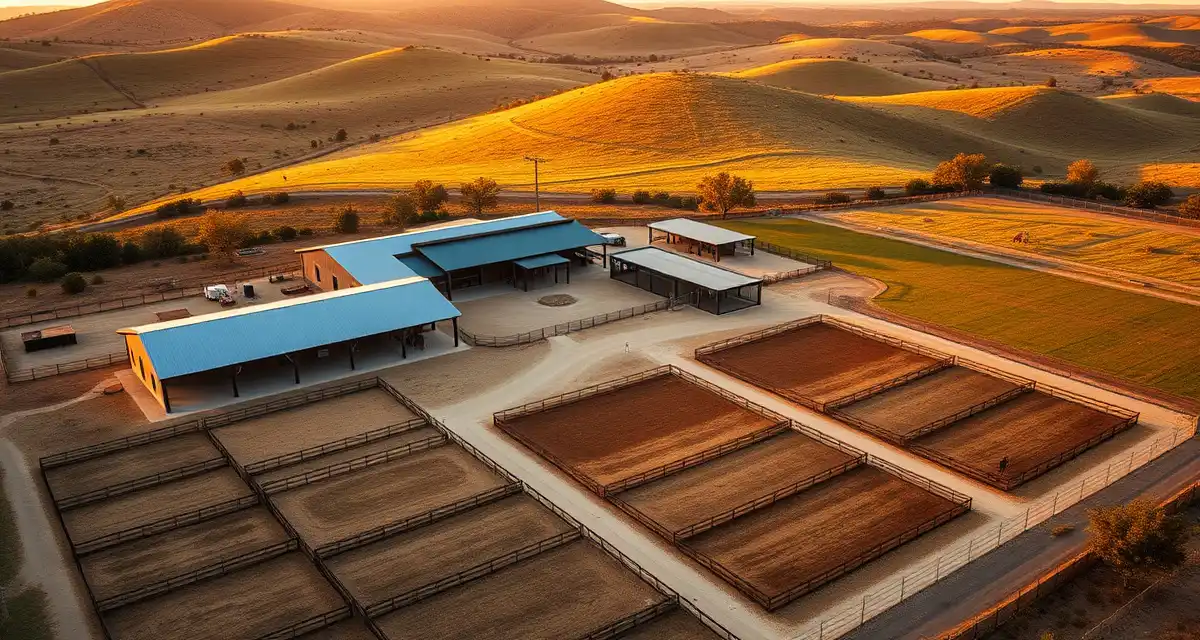
Texas Equine Facilities: Barn Management Guide
Texas has more horses than any other state, with estimates ranging from 700,000 to over a million horses depending on the source. The state's equestrian industry is enormous, diverse, and deeply embedded in Texas culture. From cutting horse royalty in the Hill Country to barrel racing powerhouses across the panhandle, from hunter-jumper show barns in the Houston area to working ranch programs in West Texas, the variety of equestrian operations in the state is unmatched.
Texas Equestrian Geography
Fort Worth and DFW metro. The Fort Worth Stockyards area and the broader DFW region have deep western horse culture. Fort Worth is home to major cutting horse events, and the region has a dense concentration of performance horse trainers and facilities.
Houston area. The Houston metro, particularly Katy and Cypress, has a large and affluent hunter-jumper and dressage community. Facilities in this area cater to competitive English discipline riders.
Hill Country and central Texas. This area is cutting horse country, with some of the most prestigious cutting horse programs in the world. Boerne, Brenham, and the areas around Austin have significant horse populations.
Panhandle and West Texas. Ranch horse, rodeo, and working cattle horse country. Operations here are often larger in acreage and more ranch-integrated than urban Texas facilities.
South Texas. Quarter horse racing has a strong presence in south Texas, with facilities serving breeding, training, and racing operations.
Regulatory Environment
Texas does not require a specific state license for horse boarding facilities, but local county and municipal permits may be required. The Texas Department of Agriculture oversees equine health requirements. Coggins testing is required for horses at public events.
Texas has a significant agricultural property tax exemption program. Horse operations that qualify for agricultural appraisal can see dramatically lower property tax burdens. Understanding the requirements and maintaining appropriate records for this appraisal is important for facility owners.
Texas also has relevant equine activity liability protections under the Texas Equine Activity Liability Act, which provides some protection for inherent equine risks. This doesn't eliminate the need for appropriate insurance and liability waivers.
Climate Considerations
Texas weather varies enormously by region. South Texas and the Houston area experience subtropical heat and humidity. West Texas is arid and hot. The panhandle has extreme temperature swings with cold winters and hot summers. Central Texas has intense summer heat with occasional winter ice storms.
Summer heat management is critical across most of Texas. Horse facilities need adequate shade, water, and ventilation, and many operations adjust work schedules to early morning or evening to avoid peak heat hours during summer. Staff scheduling tools that accommodate seasonal schedule shifts help manage this consistently.
The Scale of Texas Operations
Texas facilities range from small private barns to operations boarding 200 or more horses. At larger scales, the operational complexity requires serious management infrastructure. BarnBeacon scales to handle large Texas operations, with billing and invoicing tools that manage hundreds of horses per month without the errors that plague manual systems.
For cutting horse and other performance horse training operations, BarnBeacon's training program management and per-horse charge tracking handle the complex billing that comes with professional training programs.
Using Software at Texas Facilities
The combination of large operations, diverse disciplines, and high-value horses makes organized management particularly important in Texas. BarnBeacon handles the full stack: owner portal for client communication, staff scheduling for workforce management, billing automation for revenue capture, and veterinary records management for health documentation.
For Texas facilities exploring options, see pricing for plan details and small barn management or training barn management depending on your facility type.
FAQ
What is Texas Equine Facilities: Barn Management Guide?
Texas Equine Facilities: Barn Management Guide is a comprehensive resource covering best practices for operating equine facilities across Texas. It addresses the state's diverse equestrian landscape, from cutting horse programs in the Hill Country to hunter-jumper barns in the Houston metro. The guide covers facility planning, daily operations, feed and health management, and regional considerations specific to Texas climate, geography, and horse culture.
How much does Texas Equine Facilities: Barn Management Guide cost?
The guide is a free educational resource available on BarnBeacon. There is no cost to access the information. Implementing the recommendations may involve investment in facility upgrades, management software, staffing, or veterinary care, but costs vary widely depending on your operation's size, discipline, and existing infrastructure.
How does Texas Equine Facilities: Barn Management Guide work?
The guide is organized by topic and region, allowing Texas barn managers to navigate directly to what is most relevant to their operation. It covers operational frameworks for daily barn routines, horse health protocols, facility design considerations, and discipline-specific needs. Readers can apply the guidance incrementally or use it as a baseline audit checklist for an existing facility.
What are the benefits of Texas Equine Facilities: Barn Management Guide?
Benefits include improved horse health outcomes through better management routines, reduced operational inefficiencies, and clearer protocols for staff. Texas-specific content helps managers account for heat, humidity, drought, and regional discipline norms. Whether you run a working ranch in West Texas or a show barn in Katy, the guide helps align your facility operations with proven industry standards.
Who needs Texas Equine Facilities: Barn Management Guide?
Any Texas equine facility operator can benefit, including boarding barn managers, training facilities, breeding operations, and working ranches. It is especially useful for new barn managers setting up operations, existing facilities looking to improve systems, or horse owners transitioning to self-care who need a structured operational framework suited to Texas conditions.
How long does Texas Equine Facilities: Barn Management Guide take?
Reading the guide takes approximately 20 to 45 minutes depending on how thoroughly you engage with each section. Implementing recommendations is an ongoing process. Basic operational changes can be adopted within days, while facility infrastructure improvements or staff training programs may unfold over weeks or months depending on your resources and priorities.
What should I look for when choosing Texas Equine Facilities: Barn Management Guide?
Look for guidance that is specific to Texas climate and geography, covers your discipline or operation type, and provides actionable protocols rather than general advice. The best barn management resources address heat and humidity management, parasite control in Texas conditions, regional feed availability, and regulatory considerations relevant to Texas equine operations.
Is Texas Equine Facilities: Barn Management Guide worth it?
Yes. Texas's scale and diversity as an equine state means local context matters enormously. Generic barn management advice often misses region-specific factors like summer heat stress, drought impacts on forage, and the operational norms of specific disciplines concentrated in Texas. A Texas-focused guide helps managers make better decisions grounded in conditions they actually face.