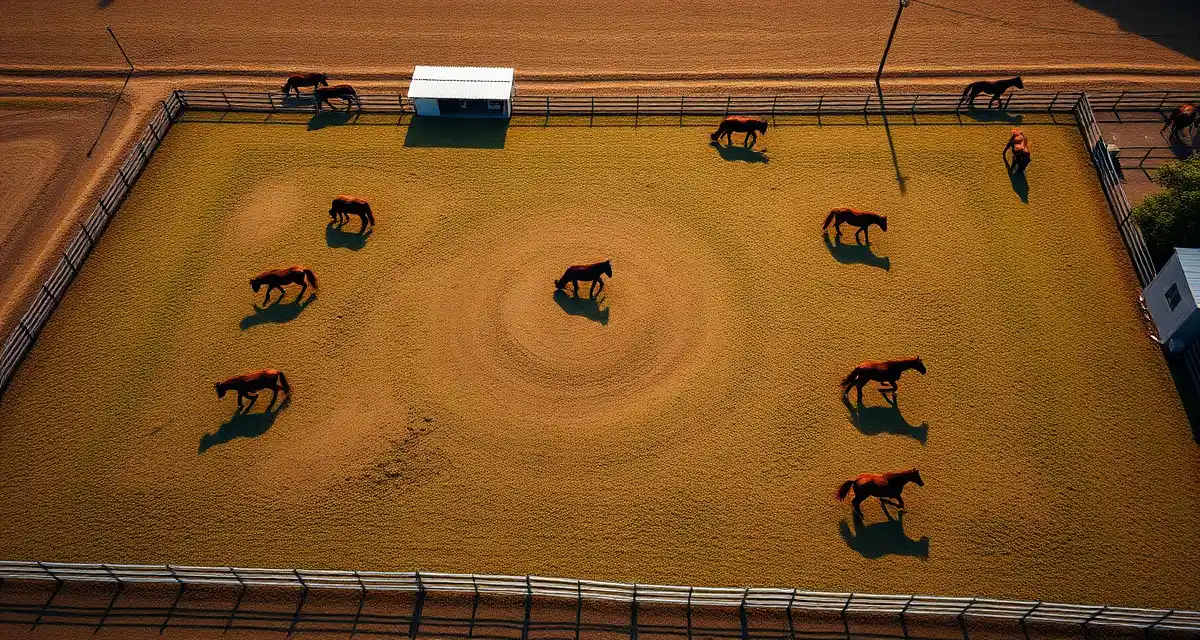
Turnout Rotation Planner for Horse Barns
Managing turnout at a boarding barn is one of the most conflict-prone jobs in equine facility management. According to industry surveys, 72% of boarding disputes involve disagreements about turnout records, who went out, with whom, for how long, and whether the right paddock was used. A structured turnout rotation planner for horse barns eliminates the guesswork and gives every staff member, boarder, and manager a single source of truth.
TL;DR
- Turnout rotation planning prevents overuse of specific paddocks, supports pasture recovery, and reduces mud and forage depletion.
- A written rotation schedule with paddock rest periods built in is more sustainable than rotating based on staff observation alone.
- Individual horse turnout requirements -- time, companions, surface preferences -- should be captured in the horse's profile at intake.
- Paddock maintenance tasks (dragging, seeding, drainage) should be triggered by the rotation schedule, not by visible deterioration.
- Digital rotation logs create the record needed to demonstrate that paddock management protocols were followed when health issues arise.
Get Started with BarnBeacon
Turnout rotation planning connects pasture management, horse compatibility groupings, and individual turnout requirements in a way that benefits from a centralized record system. BarnBeacon's scheduling and horse profile tools give you the platform to manage rotation assignments, track paddock maintenance intervals, and ensure that individual horse turnout requirements are reflected in the daily schedule. If turnout management is currently handled through informal systems, BarnBeacon offers a more reliable structure.
Who It's For
This tool is built for boarding barn managers, barn owners, and head grooms managing five or more horses across multiple paddocks. It's especially useful when:
- Multiple staff members handle turnout across morning and afternoon shifts
- Boarders have specific turnout requirements in their contracts
- You're managing horses with known aggression, injury restrictions, or dietary separation needs
- Paddock rotation is required for pasture health and mud management
If you're running a solo operation with three horses, a paper chart works fine. If you're managing 20 to 60 horses with rotating staff, manual systems break down fast.
How to Use It
Step 1: Enter Your Horse and Paddock Inventory
Start by adding each horse's profile: name, stall number, turnout preferences, dietary restrictions, and any known incompatibilities. Then map your paddocks with size, forage type, drainage quality, and current condition status.
BarnBeacon cross-references these profiles automatically when you build a rotation. You can also reference the turnout rotation setup guide for field-by-field instructions.
Step 2: Build Compatible Pairings
Compatibility is the most time-consuming part of manual turnout planning. Factors include herd hierarchy, sex, age, injury status, and owner preferences. The planner flags known conflicts before a rotation is saved, not after a horse gets kicked.
Group horses into turnout sets based on compatibility first, then assign those sets to paddocks. This prevents the common mistake of assigning paddocks first and then trying to force incompatible horses together.
Step 3: Assign Paddock Rotations by Season
Paddock rotation isn't just about horse behavior, it's about land management. Overused paddocks develop mud, parasite loads, and compaction. A standard rotation rests each paddock for 30 to 60 days depending on climate and stocking density.
Build your horse paddock rotation schedule around seasonal conditions: restrict wet paddocks in winter, rotate off high-traffic areas in spring when regrowth is critical, and manage shade access in summer. BarnBeacon lets you flag paddocks as restricted, resting, or active so staff can't accidentally assign horses to a paddock that's closed.
Step 4: Set Shift-Based Assignments
Most boarding barns run at least two turnout shifts: morning and afternoon. Each shift may have different staff, different horses going out, and different paddock availability. The planner assigns specific horses to specific staff members per shift, with a checklist confirmation required before the assignment closes.
This connects directly to your barn daily checklist, so turnout completion is tracked alongside feeding, medication, and stall cleaning in one workflow.
Step 5: Log and Audit Every Movement
Every time a horse is turned out or brought in, the system records the staff ID, exact time, paddock used, and which horses were present. If a boarder calls to ask whether their horse went out on Tuesday morning, you have a timestamped record in under 10 seconds.
This audit trail is what most tools lack entirely. Whiteboards get erased. Spreadsheets get overwritten. BarnBeacon's log is permanent and searchable.
Alternatives
Most barn managers start with one of three approaches before moving to dedicated software:
Whiteboards: Fast to update, zero cost, but no history and no conflict detection. One staff member erases the board and the record is gone.
Spreadsheets: Better for tracking history, but require manual entry, offer no compatibility alerts, and don't integrate with shift scheduling or daily checklists.
General farm management software: Some platforms include basic turnout fields, but few offer real-time conflict alerts or a full audit trail tied to individual staff IDs. That gap is where boarding disputes happen.
How do I create a turnout rotation for 30+ horses?
Start by grouping horses into compatible sets of two to four animals, then map those sets to available paddocks based on size and condition. Build a weekly rotation template that cycles each group through different paddocks to distribute pasture wear. With 30+ horses, you'll likely need four to six turnout groups and a minimum of six to eight paddocks to allow adequate rest periods between uses.
How do I track paddock assignments across shifts?
Use a shift-based assignment system where each turnout group is linked to a specific time block and staff member. Require a confirmation step when horses are turned out and again when they're brought in. BarnBeacon ties these confirmations to staff IDs so you always know who handled which horses during which shift, with no ambiguity between morning and afternoon crews.
What factors affect horse turnout compatibility?
The main factors are herd hierarchy and prior aggression history, sex (mares, geldings, and stallions often need separation), age and size differences, injury or lameness that makes a horse vulnerable in a group, dietary needs requiring separation from grass or grain access, and owner preferences or contract requirements. Compatibility should be assessed individually and reviewed any time a new horse joins the herd or a horse's health status changes.
How do I calculate the right paddock rotation interval for my facility?
Paddock rest periods for pasture recovery depend on grass growth rate, which varies by region and season. As a starting point, allow a minimum of 30 days of rest before returning horses to a grazed paddock in active growing season, and longer during slow growth periods. Overgrazing -- visible as bare soil in more than 30-40% of the paddock -- is the primary indicator that rotation intervals need to be lengthened.
How do I manage paddock rotation when some horses require separation from others?
Map your compatibility groupings before building the rotation schedule, not after. Incompatible horses that cannot share a paddock create constraints on which paddocks can follow which in the rotation. A paddock rotation tool that allows you to assign horses to specific groups and track which paddocks those groups use makes it possible to plan a rotation that satisfies both land management and compatibility requirements simultaneously.
Related Articles
FAQ
What is Turnout Rotation Planner for Horse Barns?
A turnout rotation planner for horse barns is a structured scheduling system that tracks which horses go out, to which paddocks, with which companions, and for how long. It replaces informal or memory-based staff decisions with a documented protocol that coordinates pasture recovery periods, horse compatibility groupings, and individual turnout requirements. Tools like BarnBeacon digitize this process so every staff member works from the same schedule and every turnout event is automatically logged.
How much does Turnout Rotation Planner for Horse Barns cost?
BarnBeacon offers turnout rotation planning as part of its barn management platform. Pricing varies by facility size and feature tier, so the best approach is to check BarnBeacon's current plans directly on their website. Many facilities find that even an entry-level digital tool pays for itself quickly by reducing paddock overuse damage, boarder disputes, and the staff time spent manually tracking who went where each day.
How does Turnout Rotation Planner for Horse Barns work?
A turnout rotation planner works by assigning each horse a turnout profile that captures time requirements, companion compatibility, and surface preferences. Paddocks are mapped with rest periods built into the rotation cycle. Each day, the system generates or confirms assignments based on those rules, logs completed turnouts with timestamps, and flags paddocks due for maintenance tasks like dragging or seeding. Staff check the schedule rather than relying on verbal handoffs or memory.
What are the benefits of Turnout Rotation Planner for Horse Barns?
Key benefits include reduced pasture wear through enforced rest periods, fewer boarder disputes because every turnout is documented, easier staff coordination across shift changes, and proactive paddock maintenance triggered by rotation data rather than visible damage. Facilities also gain a defensible record if a health issue arises and turnout history becomes relevant, and managers get clearer visibility into whether individual horse turnout agreements are actually being honored.
Who needs Turnout Rotation Planner for Horse Barns?
Any facility managing multiple horses across multiple paddocks benefits from a turnout rotation planner. This includes full-care boarding barns, lesson and training facilities, breeding operations, and large private properties with more than a few horses. It is especially valuable when more than one staff member handles turnout, when boarders have specific contractual turnout requirements, or when pasture health and forage quality are ongoing management concerns.
How long does Turnout Rotation Planner for Horse Barns take?
Setup time depends on facility size. Entering horse profiles, paddock maps, and compatibility groupings into a system like BarnBeacon typically takes a few hours initially. Once configured, daily scheduling takes minutes rather than the back-and-forth coordination that manual systems require. Paddock rest timers and maintenance triggers run automatically, so ongoing time investment is minimal compared to the record-keeping burden of paper logs or spreadsheets.
What should I look for when choosing Turnout Rotation Planner for Horse Barns?
Look for a planner that captures individual horse requirements at the profile level, supports paddock rest period tracking, logs completed turnouts with timestamps automatically, and is accessible to all staff without complex training. Integration with the rest of your barn management workflow matters too. A standalone spreadsheet creates silos; a platform like BarnBeacon connects turnout data to health records, boarder communication, and maintenance scheduling in one place.
Is Turnout Rotation Planner for Horse Barns worth it?
For any barn managing more than a handful of horses, a structured turnout rotation planner is worth it. The 72% dispute rate linked to turnout record gaps is a real operational and liability risk. Beyond conflict reduction, the pasture health benefits alone often justify the cost by extending grazing seasons and reducing footing repair expenses. Digital tools add an audit trail that paper systems simply cannot provide, making it a practical investment for serious facility managers.
Sources
- American Association of Equine Practitioners (AAEP)
- University of Minnesota Extension Equine Program
- Rutgers Cooperative Extension Equine Program
- American Horse Council
- Equine Land Conservation Resource