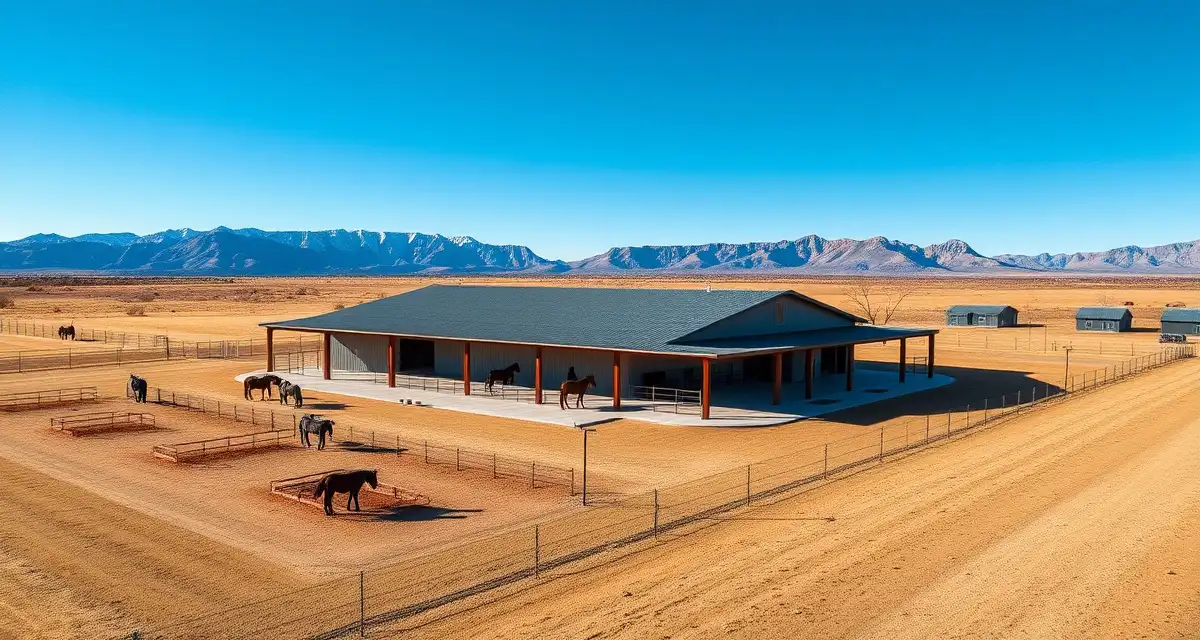
Barn Management for Utah Equine Facilities
Utah's equine facilities operate in one of the more demanding climates in the country. The high desert environment means hot, dry summers that stress horses and stress pastures, winters with sudden temperature swings, and a year-round altitude factor that affects horse conditioning and veterinary considerations. Barn management practices that work in wetter, more temperate states need to be adapted for Utah's specific conditions.
Utah's Equine Landscape
Utah has a significant and active equine community, concentrated heavily along the Wasatch Front in Salt Lake, Utah, Davis, and Weber counties, with additional population in rural areas like Cache Valley, southern Utah near St. George, and the Uinta Basin.
The sport horse and western pleasure communities are both well-represented. Reining, cutting, and ranch horse disciplines have deep roots in rural Utah. Along the Wasatch Front, the horse population skews toward boarding facilities serving suburban and semi-rural clients who keep horses primarily for recreational and competitive use.
This mix matters for barn management because the operational needs of a reining trainer running 30 horses in training are very different from a boarding barn serving 20 recreational horse owners. BarnBeacon scales to both use cases without requiring different platforms.
Climate Challenges for Utah Barns
Summer heat management. Temperatures along the Wasatch Front regularly exceed 100°F in July and August. At higher elevations, afternoons can be hot even when mornings are cool. Turnout management during summer needs to account for heat by scheduling outdoor time in early morning and late afternoon, avoiding peak afternoon temperatures.
Water consumption increases sharply during Utah summers. Facility management during this period requires more frequent water tank monitoring, particularly for horses kept in paddocks where automatic waterers may not keep up with demand.
Low humidity and pasture stress. Utah's arid climate means pastures require irrigation to maintain grass during summer. Without irrigation, most Utah paddocks become dry lots by mid-July. Barn managers running drylot turnout need to adjust variable charge tracking for supplemental hay and adapt their pasture rest protocols since there's no grass to recover.
Winter conditions. Utah winters are variable. The Salt Lake Valley can go weeks with mild conditions, then receive several feet of snow in a few days. Footing management during and after snow events is a significant operational task. Ice on paddock surfaces is a serious lameness risk and requires prompt attention.
Altitude. Much of Utah's equine population is kept at elevations between 4,000 and 6,000 feet. Horses being transported in from lower elevations for competitions in Utah may need acclimation time. Resident horses are generally well-adapted, but veterinary considerations around respiratory effort at altitude are worth discussing with your facility vet.
Barn Management Software for Utah Operations
Utah barn managers face the same documentation and scheduling challenges as managers everywhere, with the added complexity of climate-driven schedule variability. A barn management platform that handles schedule exceptions easily is particularly useful in Utah, where you may need to modify turnout routines multiple times per week during transition seasons.
Turnout schedule management software lets you define standard schedules and log deviations with minimal effort. When a heat advisory changes your morning routine, the system captures what actually happened rather than requiring staff to remember the adjustment days later.
BarnBeacon's owner communication tools also help with a challenge specific to Utah's suburban horse community: boarders who are highly engaged, ask frequent questions, and expect digital access to their horse's care records. Providing that access through the platform reduces phone calls without requiring extra staff work.
Veterinary and Farrier Resources
Utah has a good base of equine veterinary services along the Wasatch Front, with large animal practices serving both rural and suburban clients. For facilities in more rural areas, vet response times can be longer, making thorough on-site record-keeping more important. Vet scheduling that's organized and documented helps rural facilities maximize the efficiency of vet visits when they do occur.
Farrier availability varies significantly by region. The Wasatch Front has more farrier options than rural Utah, where scheduling reliable six-week appointments can require more lead time.
Key Considerations for Utah Facility Managers
The combination of climate extremes, an active equine community, and a mix of western and sport horse disciplines makes Utah an interesting operating environment. Facilities that thrive tend to have strong seasonal protocols, reliable staff who know how to adapt routines for weather, and management systems that support documentation and owner communication.
Software like BarnBeacon supports the documentation side without adding administrative overhead. In an environment where daily routines change regularly based on weather, having records that reflect what actually happened rather than what was planned is particularly valuable.
What are the biggest management challenges for Utah barn managers?
Summer heat, low humidity that stresses pastures, and variable winter footing. Schedule flexibility and clear weather protocols are more important in Utah than in more temperate states.
Does BarnBeacon work for western discipline barns?
Yes. BarnBeacon handles the scheduling, health records, and billing workflows relevant to any equine facility, regardless of discipline.
How do I manage boarder communication during weather disruptions?
BarnBeacon's messaging tools let you send updates tied to specific horse records. During a weather event, a single note about schedule changes reaches all affected boarders without individual texts.
FAQ
What is Barn Management for Utah Equine Facilities?
Barn management for Utah equine facilities refers to the systems, practices, and software used to run horse barns effectively in Utah's high desert climate. It covers scheduling, feeding, health tracking, billing, and daily operations adapted to Utah-specific challenges like extreme temperature swings, dry summers, altitude effects on conditioning, and the diverse needs of disciplines ranging from reining and cutting in rural areas to recreational boarding along the Wasatch Front.
How much does Barn Management for Utah Equine Facilities cost?
The cost varies depending on facility size, software platform, and operational complexity. Basic barn management software starts around $50–$100 per month for small facilities, while platforms like BarnBeacon offer scalable pricing based on horse count and features needed. Factor in time savings on billing, scheduling, and record-keeping — most Utah barn operators find the software pays for itself quickly by reducing administrative overhead and missed invoices.
How does Barn Management for Utah Equine Facilities work?
Barn management for Utah facilities works by centralizing daily operations into a unified system. Owners track feed schedules, veterinary appointments, farrier visits, turnout rotations, and client billing in one place. Software platforms send automated reminders, generate invoices, and log health records. In Utah's climate, this is especially useful for tracking water intake during dry summers, monitoring horses during winter temperature swings, and adjusting conditioning programs for altitude.
What are the benefits of Barn Management for Utah Equine Facilities?
Effective barn management reduces operational stress, improves horse health outcomes, and protects revenue. For Utah facilities, specific benefits include better monitoring during heat stress in summer, streamlined communication with boarding clients along the Wasatch Front, accurate health records for altitude-related veterinary considerations, and consistent feed and turnout schedules that support performance horses in disciplines like reining, cutting, and ranch horse competition across the state.
Who needs Barn Management for Utah Equine Facilities?
Any Utah horse operation benefits from structured barn management — from a solo trainer running 10 horses in Springville to a 50-stall boarding facility in South Jordan. Rural operations near St. George or the Uinta Basin managing working ranch horses have different needs than suburban boarding barns, but both need reliable scheduling, health tracking, and billing. BarnBeacon scales to fit both use cases without requiring a full-time office manager.
How long does Barn Management for Utah Equine Facilities take?
Setting up a barn management system typically takes one to two weeks, including data entry for existing horses, clients, and billing schedules. Day-to-day use becomes routine within the first month. Utah facilities transitioning from paper records or spreadsheets may spend additional time migrating health histories and farrier notes. The upfront time investment is modest compared to the ongoing hours saved each week on manual scheduling, invoicing, and record-keeping.
What should I look for when choosing Barn Management for Utah Equine Facilities?
Look for software that handles Utah-specific operational needs: flexible feeding and turnout scheduling for seasonal changes, health record tracking with veterinary note fields, automated billing for boarding clients, and mobile access for barn managers working outdoors. Prioritize platforms with reliable customer support, straightforward onboarding, and the ability to scale as your facility grows. Integrations with common payment processors and the ability to communicate directly with horse owners are also strong differentiators.
Is Barn Management for Utah Equine Facilities worth it?
Yes — for most Utah equine facilities, structured barn management pays off in reduced administrative time, fewer billing errors, and better horse health oversight. The high desert climate adds operational complexity that paper systems struggle to handle consistently. Whether you manage a Wasatch Front boarding barn or a rural training operation in Cache Valley, having centralized records and automated workflows reduces daily friction and helps you catch health or scheduling issues before they become costly problems.
Sources
- Utah Department of Agriculture and Food, equine industry resources
- American Association of Equine Practitioners (AAEP), heat stress guidelines
- University of Utah Extension, agricultural management publications