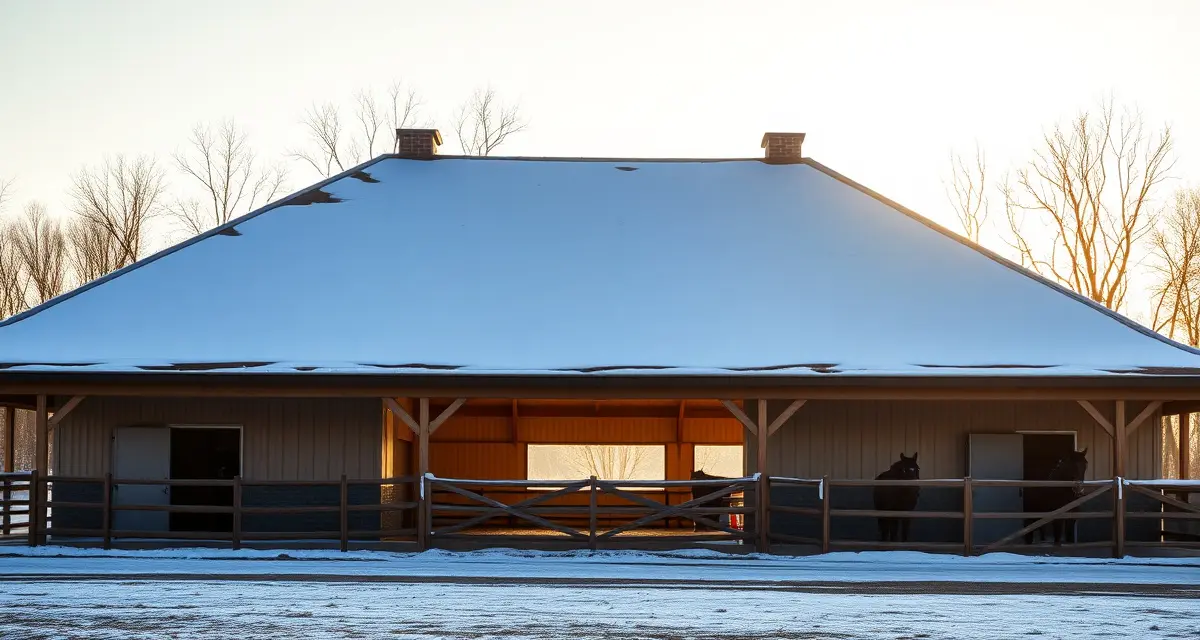
Barn Management for Wisconsin Equine Facilities
Wisconsin's equine facilities operate in a demanding northern climate with cold winters, significant snow accumulation, a spring mud season, and a summer that's excellent for horses but short. Managing a barn through Wisconsin's seasonal extremes requires planning, documented protocols, and a management system flexible enough to handle significant schedule variations.
Wisconsin's Equine Community
Wisconsin has a substantial and active equine community. The state has historically strong Quarter Horse and paint horse populations, an active draft horse community in agricultural areas, and growing sport horse and hunter/jumper communities particularly around Milwaukee, Madison, and the Lake Country corridor in Waukesha and Washington counties.
The 4-H equine program in Wisconsin is robust, with youth horse programs in nearly every county. This creates a specific management context for facilities that host 4-H horses, where educational goals intersect with farm management and youth safety is a primary concern.
Therapeutic riding programs exist across the state, with PATH Intl.-certified centers serving populations in urban and rural areas.
Winter Operations
Wisconsin winters are serious. Extended cold snaps below zero Fahrenheit, significant snowfall that requires regular barn approaches and paddock access maintenance, and ice events that create dangerous footing are all regular features of Wisconsin winter barn management.
Water management. Frozen water lines and waterers are the primary winter emergency at Wisconsin barns. A redundant system for providing water during freeze events, whether that's heated buckets, tank heaters, or a backup water hauling protocol, should be documented and tested before it's needed.
Footing and ice. Ice on paddock surfaces and barn approaches is a significant lameness risk. Management protocols for icing events should include who is responsible for assessment, what sand or other footing material is used, and what the threshold is for restricting horses to covered areas.
Blanketing. Wisconsin winters require consistent blanketing management. Multiple blanket changes per day are common during temperature swings, and horses arriving to the barn after outdoor time in heavy wet snow need prompt attention. Documenting blanket assignments for each horse, including which blankets they have available and at what temperature each is used, reduces errors during busy morning routines.
Turnout management in winter. Turnout during Wisconsin winters needs weather-specific protocols: minimum temperature thresholds, footing assessment before turnout, and clear guidance for when to limit or skip outdoor time entirely. Documenting these protocols, rather than leaving them to staff judgment each day, produces more consistent outcomes.
Spring and Mud Season
Wisconsin's spring mud season is less dramatic than Vermont's but still significant. April and May typically produce the combination of snowmelt and rain that turns paddocks into mud. Protecting primary pastures during this period by using sacrifice areas or keeping horses in covered paddocks preserves grass for the growing season.
Turnout rotation planning should account for the compressed Wisconsin growing season. Pastures that are overused in May may not recover fully before fall, reducing the available grazing window.
Summer Operations
Wisconsin summers, though short, are favorable for horses. Pasture quality can be excellent. The primary summer management concerns are heat and humidity during July and August, fly and pest control, and maximizing the grazing window before fall.
Turnout schedule management during summer can take advantage of extended daylight and favorable temperatures to maximize outdoor time, which benefits horse welfare and reduces stall maintenance needs.
Veterinary Resources
Wisconsin has good equine veterinary resources, with the University of Wisconsin School of Veterinary Medicine in Madison providing referral services and ambulatory practices serving most areas of the state. Rural northern and western Wisconsin may have longer response times for emergency veterinary services, reinforcing the importance of strong on-site record-keeping.
Vet scheduling in Wisconsin should account for the agricultural veterinary calendar. Spring is busy for all large animal vets with the general farm season. Planning vaccination programs and preventive care in advance to avoid the busiest scheduling windows helps ensure you get the appointment dates you need.
Technology Adoption
Wisconsin's equine community is generally practical in outlook. Technology adoption in barn management has been driven more by demonstrated utility than by market pressure. BarnBeacon's value proposition in this market is straightforward: organized records, cleaner billing, and owner communication tools that reduce phone calls, delivered in a system that barn staff can use without significant technical training.
What are the most important winter protocols for Wisconsin barn managers?
Water management, footing and ice assessment before turnout, and blanketing protocols for temperature swings. All three should be documented before winter starts, not improvised when conditions arrive.
How does BarnBeacon handle seasonal schedule variations?
BarnBeacon's scheduling tools allow you to record deviations from standard schedules with notes. This creates a record of what actually happened, which is useful for boarder communication and for reviewing how your protocols worked.
Is there a good time of year to implement new barn management software in Wisconsin?
Late summer or fall before the demanding winter season begins. This gives staff time to learn the system before operational pressure increases.
FAQ
What is Barn Management for Wisconsin Equine Facilities?
Barn management for Wisconsin equine facilities refers to the systems, protocols, and software used to operate horse barns through the state's demanding seasonal conditions. This includes scheduling feed and turnout routines, managing stall maintenance, tracking health records, coordinating staff, and adapting operations for Wisconsin's cold winters, spring mud season, and short summer. It encompasses everything from daily checklists to emergency cold-weather protocols for facilities housing Quarter Horses, draft horses, sport horses, 4-H youth horses, and therapeutic riding program animals.
How much does Barn Management for Wisconsin Equine Facilities cost?
The cost of barn management for Wisconsin equine facilities varies widely based on facility size, staff count, and software chosen. Basic management software starts around $50–$150 per month for small barns. Larger multi-discipline facilities with boarding, lessons, and 4-H programs may invest $200–$500 per month in comprehensive platforms. Beyond software, costs include staff training, equipment for winter operations, and infrastructure upgrades. Many operators find that structured management systems reduce waste and labor costs enough to offset the investment within the first season.
How does Barn Management for Wisconsin Equine Facilities work?
Effective barn management works by combining documented protocols with a flexible scheduling system. Managers set daily, weekly, and seasonal task routines — feeding schedules, stall cleaning, turnout rotation, farrier and vet appointments — then track completion through software or checklists. In Wisconsin, this system must account for weather-triggered adjustments: switching horses to winter feeding rates, opening and closing water heating systems, and managing mud-season turnout restrictions. Staff follow standardized procedures so operations stay consistent regardless of weather disruptions or personnel changes.
What are the benefits of Barn Management for Wisconsin Equine Facilities?
The primary benefits include improved horse health outcomes, reduced liability, and more consistent staff performance. For Wisconsin facilities, documented cold-weather protocols protect horses during sub-zero snaps and ensure water systems don't fail. Organized records simplify compliance for 4-H programs and PATH Intl.-certified therapeutic riding centers. Managers gain visibility across all horses and tasks simultaneously, reducing the risk of missed medications or overlooked maintenance. Over time, structured management also makes it easier to onboard seasonal staff during the busier summer months.
Who needs Barn Management for Wisconsin Equine Facilities?
Any Wisconsin horse facility with more than a few horses benefits from formalized barn management. This includes private boarding barns, lesson and training operations, 4-H host facilities, therapeutic riding centers, and working draft horse farms. The need is especially acute for facilities managing diverse horse populations — such as those in the Lake Country corridor near Milwaukee and Madison — where multiple disciplines, ownership arrangements, and care requirements must be tracked simultaneously. Solo owner-operators with small herds also benefit once seasonal workloads increase.
How long does Barn Management for Wisconsin Equine Facilities take?
Implementing a basic barn management system typically takes two to four weeks to set up properly. This includes inventorying all horses, documenting existing protocols, configuring software, and training staff. Seasonal protocol development — particularly winter preparation checklists — may take an additional few weeks before the first cold snap arrives. For facilities transitioning from informal systems, expect a 60-to-90-day adjustment period before the new routines feel fully embedded. Planning the rollout before Wisconsin's fall transition gives the most runway for a smooth start.
What should I look for when choosing Barn Management for Wisconsin Equine Facilities?
Look for a system that handles seasonal schedule variations without requiring a full rebuild each time conditions change. Wisconsin-specific priorities include weather-triggered task adjustments, water system monitoring integrations, and flexible turnout scheduling. For facilities with 4-H horses or therapeutic riding programs, check that the software supports multiple ownership types and health record tracking for compliance. Strong mobile access matters for staff working across outdoor areas in cold conditions. References from other northern-climate facilities are more useful than general reviews.
Is Barn Management for Wisconsin Equine Facilities worth it?
For most Wisconsin equine facilities, structured barn management is worth the investment. The state's climate demands more documented contingency planning than milder regions — a missed water heater check or inadequate cold-weather feeding protocol can create serious health emergencies. Facilities that host 4-H youth programs or therapeutic riding clients also face reputational and liability risks if management is inconsistent. The combination of horse welfare protection, staff accountability, and reduced operational chaos typically delivers clear returns within the first full year of use.
Sources
- University of Wisconsin Extension, equine and agricultural management resources
- Wisconsin Department of Agriculture, Trade and Consumer Protection, equine resources
- American Association of Equine Practitioners (AAEP), cold-weather equine care guidelines