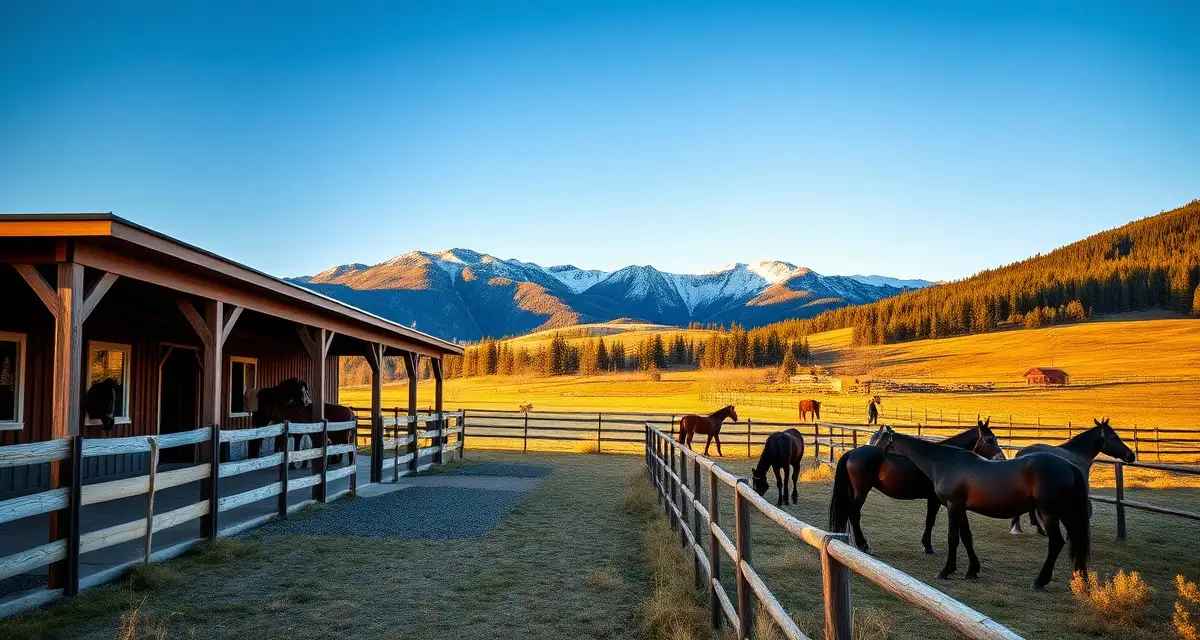
Barn Management for Wyoming Equine Facilities
Wyoming is horse country in the most literal sense. The state has one of the highest per-capita horse populations in the United States, a ranching culture where horses are working animals as much as recreational partners, and a landscape that demands tough, practical management approaches. Running an equine facility in Wyoming means operating in altitude, cold, and distances that shape every management decision.
Wyoming's Equine Character
Wyoming's equine community is rooted in working ranch horse traditions. Quarter horses, paints, and Appaloosas dominate the population. Rodeo disciplines, including team roping, barrel racing, and saddle bronc, are taken seriously across the state. The Wyoming High School Rodeo Association is one of the most competitive in the country.
In areas like Jackson Hole and the communities near national parks and forests, a different equine population exists alongside the ranch community: trail outfitters, guest ranches, and recreational riders who use horses for tourism-oriented purposes. These facilities have management needs distinct from working ranch operations.
The sport horse and hunter/jumper community is smaller than in states with more urban centers, but exists primarily along the I-25 corridor in cities like Cheyenne and Casper.
Climate and Altitude Challenges
Altitude. Much of Wyoming sits above 5,000 feet, with significant portions above 7,000 feet. Horses are generally well-adapted to altitude if they live there, but horses shipping in from lower elevations may need time to acclimate. Altitude affects respiratory physiology and exercise capacity in ways that are relevant for horses being pushed in early training or competition.
Winters. Wyoming winters are legitimately harsh. Wind chill factors that push apparent temperatures far below the actual air temperature, heavy snowfall in some regions, and extended cold snaps are annual realities. Water management during winter is critical. Frozen water lines and waterers are a priority emergency, and facilities without redundant water delivery options take real risks.
Turnout management during Wyoming winters requires clear protocols: temperature and wind chill thresholds for restricting outdoor time, footing assessment before turnout, and guidance for staff on making weather calls independently when managers aren't on site.
Wind. Wyoming is one of the windiest states in the country. Persistent high wind affects horses' behavior and stress levels, creates challenges for arena footing management, and increases exposure risk in paddocks without adequate windbreaks.
Summer heat. Wyoming summers are generally moderate, but the high desert areas of southwestern Wyoming can see significant summer heat. Heat management is less of a year-round concern than in southern states, but summer protocols should still address peak temperature windows.
Veterinary and Farrier Access
Wyoming's rural character and large geographic distances create real challenges for veterinary access in many parts of the state. Emergency response times in remote areas can be significant. The quality of on-site record-keeping and the barn manager's ability to provide accurate, complete information for phone triage are more consequential here than in states with denser veterinary service coverage.
Vet communication skills at Wyoming facilities need to include the ability to assess and describe a horse's condition clearly over the phone, because that call often determines whether the vet makes the trip immediately or provides management guidance to wait for scheduled follow-up. Complete veterinary records management that's accessible from the barn means you can answer questions about recent health history, medications, and observations without hunting through paper files.
For planned preventive care, batching multiple horses on a single farm visit is particularly important in Wyoming. Travel charges for ambulatory vet visits can be significant. Planning spring vaccination days, dental programs, and annual exams as coordinated events rather than individual appointments reduces cost and ensures nothing gets missed.
Farrier access varies by region. In ranching areas with working horse populations, quality farrier service is generally available. In more remote areas or with specialized needs (performance shoeing for competition horses), the options are more limited and advance scheduling is important.
Ranch Horse Management Considerations
Wyoming facilities that operate working ranch horses have different management contexts than boarding barns. Ranch horses work in ways that differ from arena-based performance horses: varied terrain, different muscle demands, exposure to range conditions, and often more independent handling by multiple people over a working day.
Record-keeping for ranch horses should include work logs that reflect actual workload, which informs veterinary care and helps identify horses that are developing soundness issues before they become significant. Variable charge tracking for ranch operations may involve different service categories than a boarding barn, including tracking costs associated with horses used for specific ranch tasks.
Key Takeaways
Wyoming equine facility management requires practical, resilient systems that function in cold, wind, altitude, and distance from support services. The facilities that operate most successfully tend to have strong documented protocols, good relationships with their veterinary and farrier providers, and management tools that keep records organized and accessible when they're needed.
What are the most critical winter management protocols for Wyoming barns?
Water access, footing assessment before turnout, and wind protection. All three should have documented protocols before the season starts.
How does BarnBeacon work at remote Wyoming facilities with limited connectivity?
BarnBeacon is designed to function in barn environments with intermittent connectivity. Records sync when connectivity is available.
Is BarnBeacon appropriate for working ranch operations as well as boarding barns?
Yes. BarnBeacon handles both working ranch and boarding contexts, with flexible record types and billing structures for different operational models.
FAQ
What is Barn Management for Wyoming Equine Facilities?
Barn management for Wyoming equine facilities refers to the systems, practices, and tools used to run horse operations across the state — from working ranch setups to guest ranch outfitters and competitive rodeo programs. It covers feed scheduling, health tracking, turnout rotation, staff coordination, and record-keeping tailored to Wyoming's unique demands: high altitude, harsh winters, remote distances, and a horse culture rooted in working ranch traditions rather than show barn conventions.
How much does Barn Management for Wyoming Equine Facilities cost?
Costs vary widely depending on operation size and whether you use software, hire additional staff, or build infrastructure. Basic barn management software typically runs $50–$200 per month for small facilities. Larger guest ranches or multi-horse operations may invest in more comprehensive platforms at $300–$600 monthly. Physical infrastructure improvements — insulated stalls, heated water systems for Wyoming winters — are separate capital costs that vary by facility age and size.
How does Barn Management for Wyoming Equine Facilities work?
Effective barn management in Wyoming combines daily routines with seasonal planning. Managers schedule feeding, turnout, and health checks while accounting for weather windows, grazing conditions, and rodeo or trail season demands. Many facilities use barn management software to track horse health records, farrier and vet visits, feed inventory, and client or guest bookings. The goal is reducing reactive decision-making by building consistent systems that hold up through Wyoming's variable climate and remote operating conditions.
What are the benefits of Barn Management for Wyoming Equine Facilities?
Good barn management reduces feed waste, prevents health crises through consistent monitoring, and keeps staff aligned across large or remote properties. For Wyoming operations, benefits include better preparedness for winter weather events, more reliable tracking of working horses used across multiple disciplines, and cleaner records for vet and farrier coordination. Guest ranches benefit especially from streamlined client communication and horse assignment tracking during peak tourism seasons in areas like Jackson Hole.
Who needs Barn Management for Wyoming Equine Facilities?
Any Wyoming horse operation benefits from structured barn management — working cattle ranches using horses daily, competitive rodeo programs tracking multiple athletes across disciplines, trail outfitters managing large rotating strings, and boarding or lesson facilities along the I-25 corridor. High school rodeo families with multiple horses also benefit. Essentially, any facility with more than a handful of horses and more than one person involved in their care needs reliable management systems.
How long does Barn Management for Wyoming Equine Facilities take?
Setting up barn management systems typically takes two to four weeks for most facilities — time spent configuring software, entering horse profiles, building feed charts, and training staff. Ongoing management is continuous by nature, but the upfront investment pays back quickly. Seasonal transitions, particularly preparing for Wyoming winters or ramping up for summer trail season, require dedicated planning time of several days to ensure supplies, staffing, and protocols are in place before conditions change.
What should I look for when choosing Barn Management for Wyoming Equine Facilities?
Look for systems built to handle Wyoming-specific realities: offline functionality for remote properties with unreliable connectivity, robust health and medication tracking for multi-horse operations, and flexible scheduling tools that adapt to seasonal workloads. Vendor experience with working ranch or western discipline facilities matters more than polish designed for show barns. Check whether the platform handles both the working horse side and any guest or client-facing booking needs your operation requires.
Is Barn Management for Wyoming Equine Facilities worth it?
Yes — for any Wyoming equine facility running more than a handful of horses, structured barn management is worth the investment. The state's climate, distances, and working horse culture create real operational complexity that informal systems struggle to handle. Facilities that invest in clear protocols and reliable software reduce emergency costs, retain better staff, and make smarter decisions about feed, turnout, and veterinary care. The return shows up in fewer crises, healthier horses, and less time spent reacting.
Sources
- University of Wyoming Extension, equine and agricultural management resources
- Wyoming Department of Agriculture, livestock and equine resources
- American Association of Equine Practitioners (AAEP), equine care and management guidelines
- Wyoming State Veterinary Laboratory, equine health resources