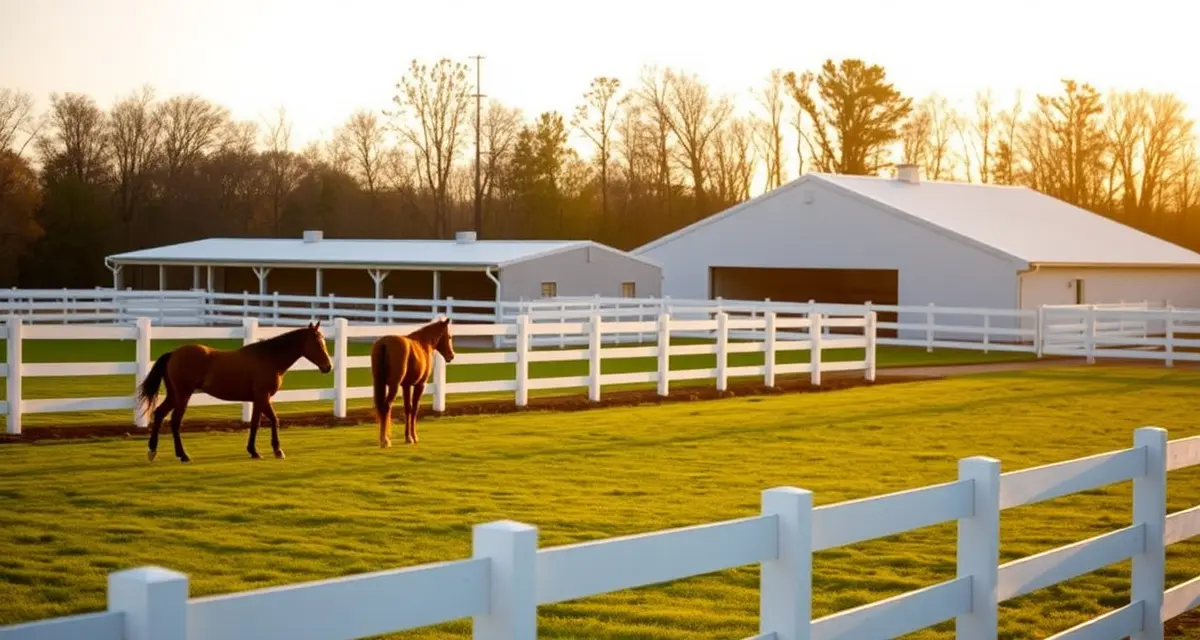
Connecticut Equine Facilities: Operating a Barn in the Northeast
Connecticut's equestrian community is well-established and concentrated, reflecting the state's high population density and proximity to major Northeast metropolitan areas. Many Connecticut equestrian facilities serve competitive riders from the New York City and Boston markets, and the state has a strong tradition of English disciplines including hunter/jumper, dressage, and eventing.
Connecticut's Equestrian Landscape
Connecticut's equestrian activity is concentrated in the central and northwestern parts of the state, where agricultural land use has been preserved through farmland protection programs. The state's equestrian community is predominantly English in discipline, with hunter/jumper programs dominant and significant dressage and eventing facilities as well.
Land costs in Connecticut are high relative to the national average, which affects facility economics. Many Connecticut barn operators have found that a higher level of service and professionalism (quality care, excellent communication, professional facilities) justifies premium boarding rates that make the land cost viable.
Connecticut's proximity to major horse show circuits in the Northeast means many boarders are competitive, and facilities that accommodate competition schedules, provide show preparation support, and maintain current Coggins and health documentation for all horses attract this client segment.
Climate and Seasonal Management
Connecticut has a humid continental climate with cold winters and warm, humid summers. Operational considerations:
Winter management: Cold winters with significant snowfall typically from December through March. Water system freeze prevention, adequate winter bedding, and indoor arena access are important for maintaining horse health and boarder satisfaction through the winter months.
Summer management: Hot, humid summers require fly control and attention to horse comfort. Many Connecticut facilities have good summer business from riding camps and clinic programs.
Mud season: Spring mud season between winter and the dry summer months creates footing challenges for turnout and arenas.
Regulatory Considerations
Connecticut equestrian facilities operate under:
- Connecticut Department of Agriculture Coggins requirements (negative test within 12 months for travel)
- USDA APHIS requirements for interstate horse movement (Connecticut horses frequently travel to New York, Massachusetts, and beyond)
- Connecticut's Right to Farm Act, which provides some protections for agricultural operations including equine facilities
- Local zoning regulations, which vary significantly by town
Connecticut's Right to Farm Act protects qualifying agricultural operations from local ordinance interference and nuisance suits if the operation was established before neighboring residential development. Understanding whether your facility qualifies is worth consulting with an attorney.
Professional Standards in a Competitive Market
Connecticut's equestrian market rewards professional operations. Clear boarding agreements, consistent billing through a platform like BarnBeacon, and proactive owner communication through a boarder portal signal that your facility operates at a professional level.
For barn management software specifically configured for Connecticut and Northeast operations, see barn management software for Connecticut. For the broader boarding barn operations framework, see boarding barn management.
FAQ
What is Connecticut Equine Facilities: Operating a Barn in the Northeast?
Connecticut Equine Facilities: Operating a Barn in the Northeast is a comprehensive guide for barn owners and managers navigating Connecticut's unique equestrian market. It covers the state's English-discipline focus, land cost economics, competitive boarding culture, and regional considerations specific to facilities serving riders from the New York City and Boston markets. The guide addresses everything from facility standards to business strategy for operating successfully in one of the Northeast's most established equestrian communities.
How much does Connecticut Equine Facilities: Operating a Barn in the Northeast cost?
Operating a Connecticut equine facility involves significant costs driven by the state's high land values and premium service expectations. Boarding rates in Connecticut typically run higher than the national average to offset land and operating costs, with full-care board commonly ranging from $1,200 to $2,500+ per month depending on location and amenities. Facility startup or acquisition costs reflect Connecticut's competitive real estate market, making sound financial planning essential for long-term viability.
How does Connecticut Equine Facilities: Operating a Barn in the Northeast work?
Operating a Connecticut barn involves managing a full-service equestrian business tailored to competitive English-discipline riders. Day-to-day operations include horse care, facility maintenance, client communication, and scheduling around the regional horse show circuit. Successful facilities leverage professional management practices, premium amenities, and strong client relationships to justify higher boarding rates and sustain profitability in a high-cost operating environment with proximity to major Northeast metropolitan markets.
What are the benefits of Connecticut Equine Facilities: Operating a Barn in the Northeast?
Connecticut equine facilities benefit from access to a dense, affluent equestrian market with strong demand for quality boarding and training. Proximity to major Northeast horse show circuits attracts competitive clients willing to pay premium rates. Farmland preservation programs help protect agricultural land values. The state's established English-discipline tradition creates a stable, consistent client base focused on hunter/jumper, dressage, and eventing, supporting facilities that invest in professional standards and quality care.
Who needs Connecticut Equine Facilities: Operating a Barn in the Northeast?
This guide is essential for current and prospective barn owners, facility managers, and equestrian entrepreneurs operating in Connecticut or considering entering the Northeast market. It's also valuable for competitive riders evaluating facilities, investors exploring equestrian real estate, and equine professionals seeking to understand the regional business landscape. Anyone navigating Connecticut's high land costs, competitive boarding market, or English-discipline focus will find actionable insight in this resource.
How long does Connecticut Equine Facilities: Operating a Barn in the Northeast take?
Establishing and stabilizing a Connecticut equine facility typically takes two to five years. Initial setup—including facility preparation, licensing, and client acquisition—can take six to twelve months. Building a full client roster in a competitive market often requires eighteen to thirty-six months of consistent reputation-building. Facilities serving the competitive show circuit benefit from quicker word-of-mouth growth, but achieving consistent profitability given Connecticut's high operating costs generally demands a multi-year commitment to quality service.
What should I look for when choosing Connecticut Equine Facilities: Operating a Barn in the Northeast?
When evaluating a Connecticut equine facility, prioritize quality of daily horse care, staff professionalism, and communication practices. Assess the facility's proximity to major show venues and its flexibility in accommodating competition schedules. Review boarding rates relative to amenities and management quality. Look for well-maintained pastures, safe footing, and appropriate turnout programs. Strong client references, transparent contracts, and a clear focus on English disciplines aligned with your riding goals are key indicators of a reputable operation.
Is Connecticut Equine Facilities: Operating a Barn in the Northeast worth it?
For the right operator or boarder, Connecticut equine facilities are well worth the investment. The state's dense equestrian market, competitive clientele, and proximity to premier Northeast show circuits create strong demand for quality facilities. While land and operating costs are high, premium boarding rates and a professional service model can deliver sustainable margins. For competitive riders, access to top-tier training and show-circuit infrastructure makes Connecticut barns a smart choice despite the premium price point.