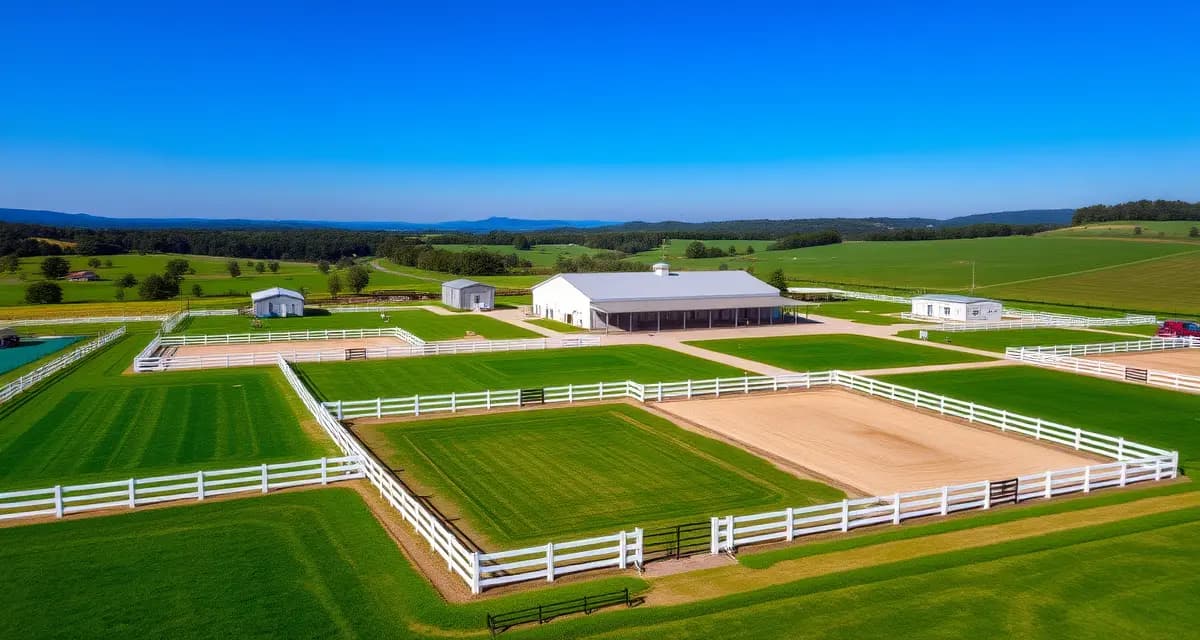
Equine Facilities in North Carolina
North Carolina has a substantial and growing equestrian community that spans from the barrier island horse populations of the Outer Banks to the horse farms of the Piedmont and the mountain trails of the Blue Ridge. The state supports a wide mix of disciplines and facility types, and its relatively mild climate makes year-round riding accessible for most operations.
Regional Overview
The Piedmont Triad and Charlotte metro area are home to the highest concentration of competitive equestrian facilities. Hunter/jumper, dressage, and eventing programs cluster in areas like Waxhaw, Tryon, and the Raleigh-Durham corridor. The Tryon International Equestrian Center in Polk County has dramatically elevated North Carolina's national profile and draws competitors from across the country, raising expectations for nearby facilities.
The Sandhills region around Pinehurst and Southern Pines is a traditional horse country with deep roots in foxhunting, steeplechase, and polo. The sandy, well-drained soils and mild climate have made this region a winter destination for horses and riders from colder northern states. Managing a facility in the Sandhills means accommodating seasonal boarders and understanding the needs of horses coming from very different climates.
Western North Carolina around Asheville and the Blue Ridge Parkway corridor offers exceptional trail riding. Many facilities here cater to gaited horse enthusiasts, with Tennessee Walkers, Rocky Mountain Horses, and Paso Finos well represented. Trail access, overnight camping, and pack trips are meaningful revenue lines for facilities in this region.
Climate and Facility Planning
North Carolina's climate is generally favorable for horses. Winters in the Piedmont and Coastal Plain are mild, with freezes but rarely extended cold spells. The mountains are a different story, with elevation creating harsher winters and road access challenges. Summer heat and humidity across most of the state mean that fly management, ventilation, and heat stress monitoring are seasonal priorities.
Red clay soil in the Piedmont creates muddy turnout conditions in winter and spring. Sacrifice areas, gravel paddocks, and solid sacrifice lot footing are worth the investment to avoid hoof problems and maintain usable turnout space through wet seasons.
Discipline Mix and Competitive Scene
North Carolina hosts a robust competition calendar across multiple disciplines. The Tryon venue brings world-class competition within reach of the state's facilities. Local associations in hunter/jumper, reining, western pleasure, and eventing maintain active schedules. Trail riding and competitive trail riding organizations run events through the mountain and Piedmont regions.
The NCSU College of Veterinary Medicine in Raleigh is one of the premier equine teaching hospitals in the Southeast, which gives Piedmont-area facilities access to specialized care and diagnostic resources that many states lack.
Managing a Boarding Facility in North Carolina
The boarding market in North Carolina is competitive, particularly in the Piedmont and Sandhills. Facilities that differentiate through exceptional communication and professional management retain clients better than those competing solely on price or amenities.
Using a management platform like BarnBeacon helps barn managers track daily care, log health observations, and keep owners informed without the communication falling entirely on personal phone time. North Carolina boarders, particularly those in competitive programs, expect detailed updates and real-time access to information about their horses.
Health Management Priorities
Eastern equine encephalitis is a serious concern in North Carolina, particularly in the coastal plain where mosquito populations are high. Vaccination compliance should be treated as a non-negotiable requirement in boarding agreements. West Nile virus, Potomac horse fever, and equine herpesvirus are all relevant in the state.
Pigeon fever, though more commonly associated with the West, has expanded its range and been documented in North Carolina. Facilities that maintain clean water sources and minimize contamination from flies help reduce exposure risk.
Coggins testing requirements apply to all horses at public gatherings, and horses entering North Carolina from other states require a current health certificate. Facilities that board horses traveling to shows frequently need efficient systems for tracking these documents.
For related guidance, see our articles on owner communication and scheduling notifications.
FAQ
What is Equine Facilities in North Carolina?
North Carolina's equine facilities encompass a diverse range of boarding barns, training centers, breeding operations, and competition venues spread across the state's distinct regions. From the Outer Banks' barrier island horses to the world-class Tryon International Equestrian Center in Polk County, the state supports hunter/jumper, dressage, eventing, foxhunting, steeplechase, and polo disciplines. The Piedmont, Sandhills, and western mountain regions each offer unique facility types suited to their terrain, climate, and local equestrian culture.
How much does Equine Facilities in North Carolina cost?
Costs vary significantly by region, facility type, and services offered. Full-care boarding in competitive Piedmont and Charlotte-area facilities typically ranges from $800 to $2,000+ per month. Sandhills operations catering to seasonal winter boarders may charge premium rates during peak months. Training programs, lesson fees, and show facility rentals add additional costs. Budget operations in rural western or eastern counties can offer more affordable options, often ranging from $400 to $800 monthly for basic board.
How does Equine Facilities in North Carolina work?
Equine facilities in North Carolina operate by providing stabling, turnout, feed, and care for horses in exchange for monthly board fees. Many facilities layer in training programs, riding lessons, and competition preparation. Seasonal facilities in the Sandhills welcome horses migrating from colder northern states each winter. Operations near Tryon align their programs and schedules around the international competition calendar, while mountain facilities often focus on trail access and recreational riding year-round.
What are the benefits of Equine Facilities in North Carolina?
North Carolina's mild climate enables year-round riding and reduces weather-related downtime compared to northern states. Facilities benefit from diverse terrain suited to multiple disciplines, strong regional equestrian communities, and proximity to major competition venues like Tryon International Equestrian Center. The Sandhills' well-drained sandy soils are ideal for horse health and footing. Owners and trainers gain access to a large network of equine veterinarians, farriers, and service providers concentrated in established horse country corridors.
Who needs Equine Facilities in North Carolina?
Anyone keeping, training, or competing horses in North Carolina can benefit from equine facilities. Amateur owners seeking safe boarding and quality care, competitive riders pursuing hunter/jumper or dressage programs, breeding operations needing specialized stallion and foal care, and traveling competitors requiring short-term stabling all rely on these facilities. Trail riders in the Blue Ridge, foxhunters in the Sandhills, and polo players in the Pinehurst area each have specific facility needs served by North Carolina's varied equestrian infrastructure.
How long does Equine Facilities in North Carolina take?
Boarding arrangements are typically month-to-month or on annual contracts. Training programs are structured in monthly or seasonal blocks. Seasonal boarders in the Sandhills commonly stay three to five months during winter. Facility construction or renovation projects vary widely depending on scope. For horse owners relocating to North Carolina or transitioning between disciplines, finding the right facility match may take several weeks of visits and trials to assess management style, footing quality, and community fit.
What should I look for when choosing Equine Facilities in North Carolina?
Prioritize footing quality in arenas and paddocks, particularly in wet seasons. Evaluate stall size, ventilation, and turnout acreage per horse. Assess the facility's proximity to quality equine veterinary care and emergency services. Review the barn manager's experience with your specific discipline. In the Sandhills, confirm the facility's capacity for seasonal boarders if you winter there. Near Tryon, look for show-focused programs with strong coaching and hauling access. Always visit during a typical busy day, not just a scheduled tour.
Is Equine Facilities in North Carolina worth it?
For horse owners and competitors in North Carolina, quality equine facilities provide genuine value. The state's geographic diversity, mild climate, and growing competition scene — anchored by Tryon International Equestrian Center — make well-run facilities essential infrastructure. Riders gain access to professional training, maintained footing, and community. For those wintering in the Sandhills or competing in the Piedmont, the right facility meaningfully impacts horse health and performance outcomes. Compared to building private infrastructure, boarding at an established facility offers flexibility and professional oversight at a fraction of the cost.